2026 How to Choose a High Voltage Electric Motorcycle?
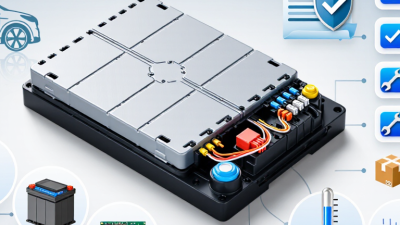
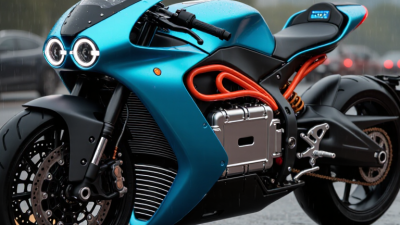
Choosing a High-voltage electric motorcycle in 2026 requires more than comparing battery size or acceleration figures. Real ownership depends on charging access, thermal control, riding range, and service support. A motorcycle that feels impressive in a showroom may become inconvenient during a cold, rainy commute.
Jay Giraud, founder of Damon Motorcycles, describes the company’s ambition as building “the safest, smartest, and most exciting motorcycles in the world.” That statement highlights an important buying principle: performance should not overshadow safety, usability, or long-term reliability. High voltage can support stronger performance and faster charging, but it also demands carefully engineered insulation, battery monitoring, cooling, and emergency protection systems.
Look closely.
This guide will examine motor output, battery capacity, charging speed, real-world range, rider-assistance technology, ergonomics, and warranty coverage. It will also explain why laboratory range figures may differ from daily results. Headwinds, luggage, passenger weight, tire pressure, and high-speed riding can reduce practical distance quickly.
A sensible buyer should inspect the charging connector, home-charging requirements, and local technician availability. Ask how the battery performs after repeated fast-charging cycles. Ask about replacement costs, too. Manufacturers often publish attractive specifications, but independent testing remains valuable.
There is no perfect motorcycle for every rider. I once treated peak power as the decisive measure, yet commuting revealed a different truth. Quiet operation, predictable range, and comfortable charging often matter more than spectacular acceleration. This 2026 guide aims to balance expert claims with practical ownership experience, while acknowledging that electric motorcycle technology continues to change.
Read more »
 By:Amelia Rose
- September 28, 2026
By:Amelia Rose
- September 28, 2026