Buying an Electric streetfighter motorcycle is not simply choosing the fastest machine in a showroom. It is choosing how you will ride, charge, maintain, and live with electric power.
Richard Hatfield, founder of Lightning Motorcycles, has said, “The future is electric.” His view carries practical weight, shaped by years of developing high-performance electric motorcycles. Yet the future is not automatically perfect. A motorcycle may advertise impressive range, but cold mornings, strong headwinds, and aggressive riding can reduce it quickly. That difference matters when your commute includes a long, empty highway.
This guide explores seven important checks before purchasing an Electric streetfighter motorcycle. Battery capacity is only one piece. You should examine charging time, real-world range, motor response, braking feel, rider position, warranty coverage, and service access. Look closely at the charging connector and battery cooling system. Imagine parking outside in rain, then waiting beside a public charger after work. The details become real.
A short test ride may reveal uncomfortable handlebars or abrupt throttle delivery. It may not reveal battery degradation after several years. Ask difficult questions. Some answers may remain incomplete, even from experienced dealers. That is not necessarily a dealbreaker, but it deserves reflection.
The right motorcycle should fit your roads, habits, budget, and patience. These seven tips are designed to make that decision more informed, safer, and less dependent on glossy specifications.
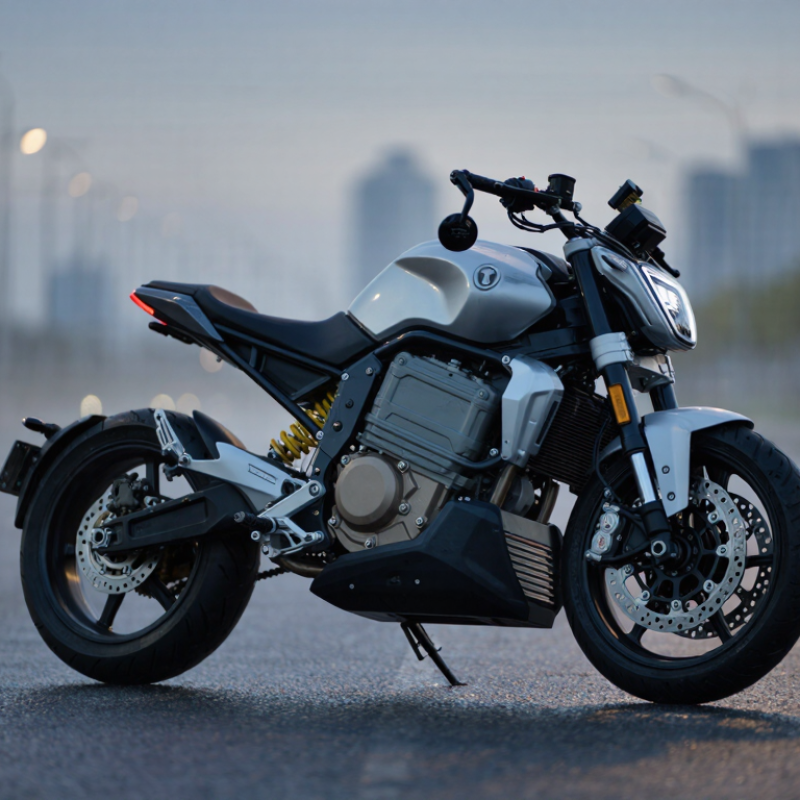
When evaluating an electric streetfighter motorcycle, define your riding needs before studying impressive power figures. A powerful motor feels exciting, but usable performance matters more on crowded streets. I compare peak power, continuous power, and torque delivery from reliable technical documents. Peak torque can launch the motorcycle quickly, while smooth control prevents unwanted surges. A test ride reveals details that specifications cannot show. How easily does it pull away from a junction? Can you manage the throttle with one hand? These questions matter.
Weight also deserves careful attention. A heavy battery can improve range, yet it may make parking and slow turns tiring. I once chose a motorcycle with strong acceleration but disliked moving it backward on a narrow driveway. That mistake changed my priorities. Check the ready-to-ride weight, not only the advertised frame weight. Suspension setup and weight distribution affect confidence too. They matter at low speed.
Riding position should match your daily route. A slightly forward stance can improve front-wheel control, but excessive pressure on your wrists becomes painful after an hour. Sit on the motorcycle wearing normal riding gear. Check handlebar reach, knee angle, seat height, and mirror visibility. Try a slow U-turn if possible. Comfort is not a luxury. It supports safer concentration. My ideal setup is still a compromise: strong torque, manageable weight, and an upright position that remains comfortable beyond a short demonstration ride.
Not always. Ask for advertised and usable capacity. A larger pack may charge longer and add unnecessary weight.
They help compare models, but they are laboratory estimates. Cold mornings, headwinds, luggage, and highway speed can reduce range sharply.
Plan around your shortest regular trip. Leave reserve for detours, battery aging, and changing weather. A 200-kilometer claim might become 130 kilometers.
Sustained high speed, a passenger, low tire pressure, and aggressive acceleration increase consumption. Slower traffic may recover energy through regenerative braking.
Ride a realistic route. Check the display afterward. Record energy use across several trips, though weather can still distort your results.
The motorcycle’s onboard charger sets the maximum AC rate. A 3.3-kilowatt charger may need several hours for a mid-sized battery.
No. The motorcycle may accept less power than the station provides. Battery temperature and charge level can also reduce charging speed.
Divide battery capacity by charging power, then allow extra time for losses. A 10-kilowatt-hour battery at 5 kilowatts needs over two hours.
Confirm the physical connector, voltage, current, and communication requirements. Compatibility varies by market and motorcycle design. Do not guess.
Not always. Peak rates may last briefly, and my own estimate could still be imperfect. Test the actual route when possible.
Buying an Electric streetfighter motorcycle requires more than comparing appearance and top speed. Start by defining your riding priorities, including power, torque, overall weight, and riding position, so the motorcycle suits both daily commuting and spirited riding. Compare battery capacity with realistic WLTP or WMTC range estimates, while considering weather, traffic, riding style, and passenger use. Charging performance is equally important: review AC and DC charging rates, connector standards, and the time needed to reach your preferred charge level.
Safety and long-term value should also guide your decision. Check braking performance, ABS, traction control, water and dust protection ratings, and relevant safety certifications. Finally, calculate total ownership costs, including the purchase price, electricity, scheduled maintenance, insurance, warranty coverage, and possible resale value. A careful evaluation of these factors will help you choose an Electric streetfighter motorcycle that delivers the right balance of performance, convenience, safety, and financial practicality.