

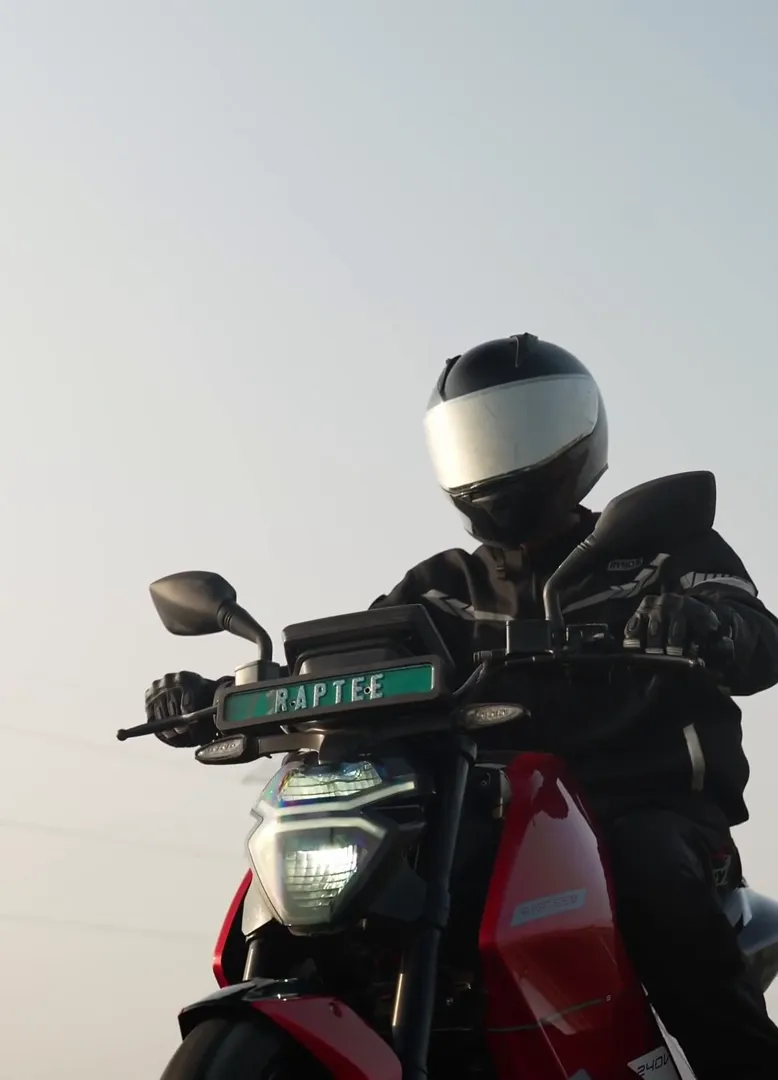
Drivetrain Optimization
Dynamic Power Maps
OTA updates recalibrate motor torque curves and regenerative braking efficiency dynamically.

Software-Defined EV Architecture.HV
How cloud-native ECU flashing, real-time telematics, and high-voltage power redefine EV procurement for global fleets and distributors.

Cloud Telematics · FOTA & SOTA Protocols
Connected Fleets That Evolve Over Time.
Automotive-grade controller updates, dual-bank flash memory, and zero-downtime maintenance.
As global electric vehicle procurement transitions from hardware-centric purchasing to software-defined mobility platforms, procurement officers, fleet operators, and importers are prioritizing connected telemetry, over-the-air motorcycle OTA updates, and automotive-grade ECU maintenance.
OTA updates recalibrate motor torque curves and regenerative braking efficiency dynamically.
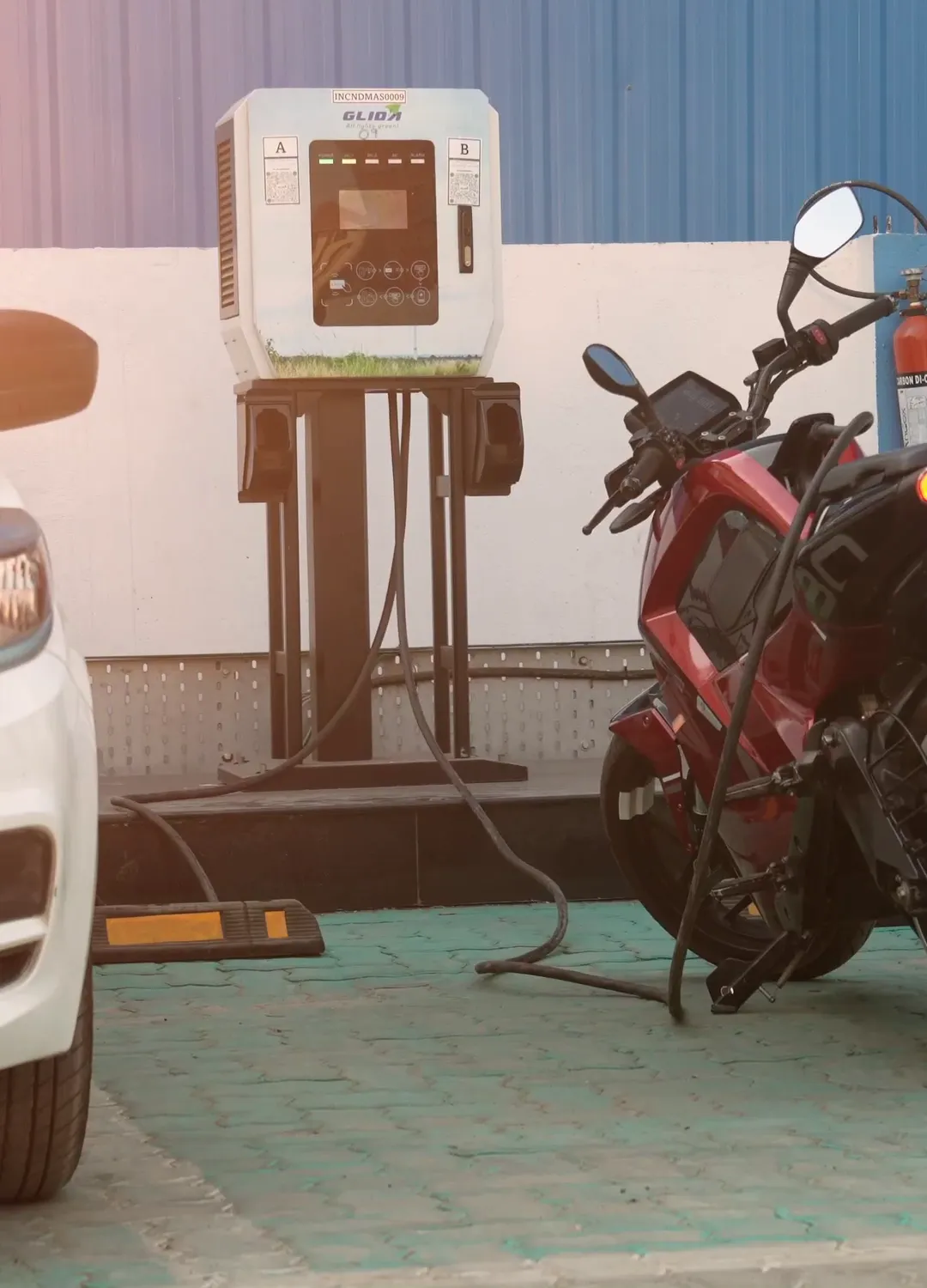
Cloud firmware pushes keep charging handshakes compatible with expanding public car chargers.
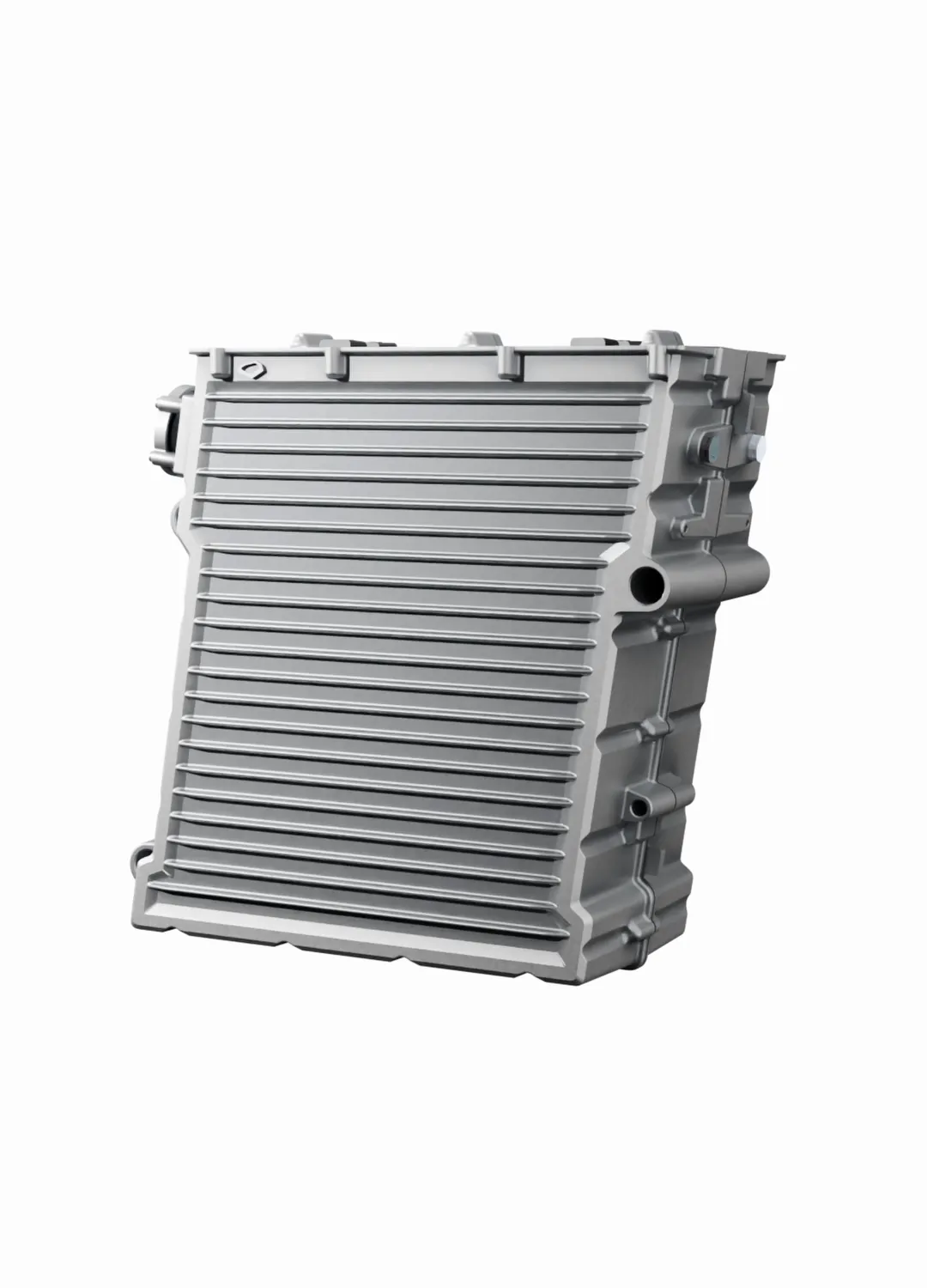
Cell balancing algorithms update over cellular networks to preserve battery state-of-health.
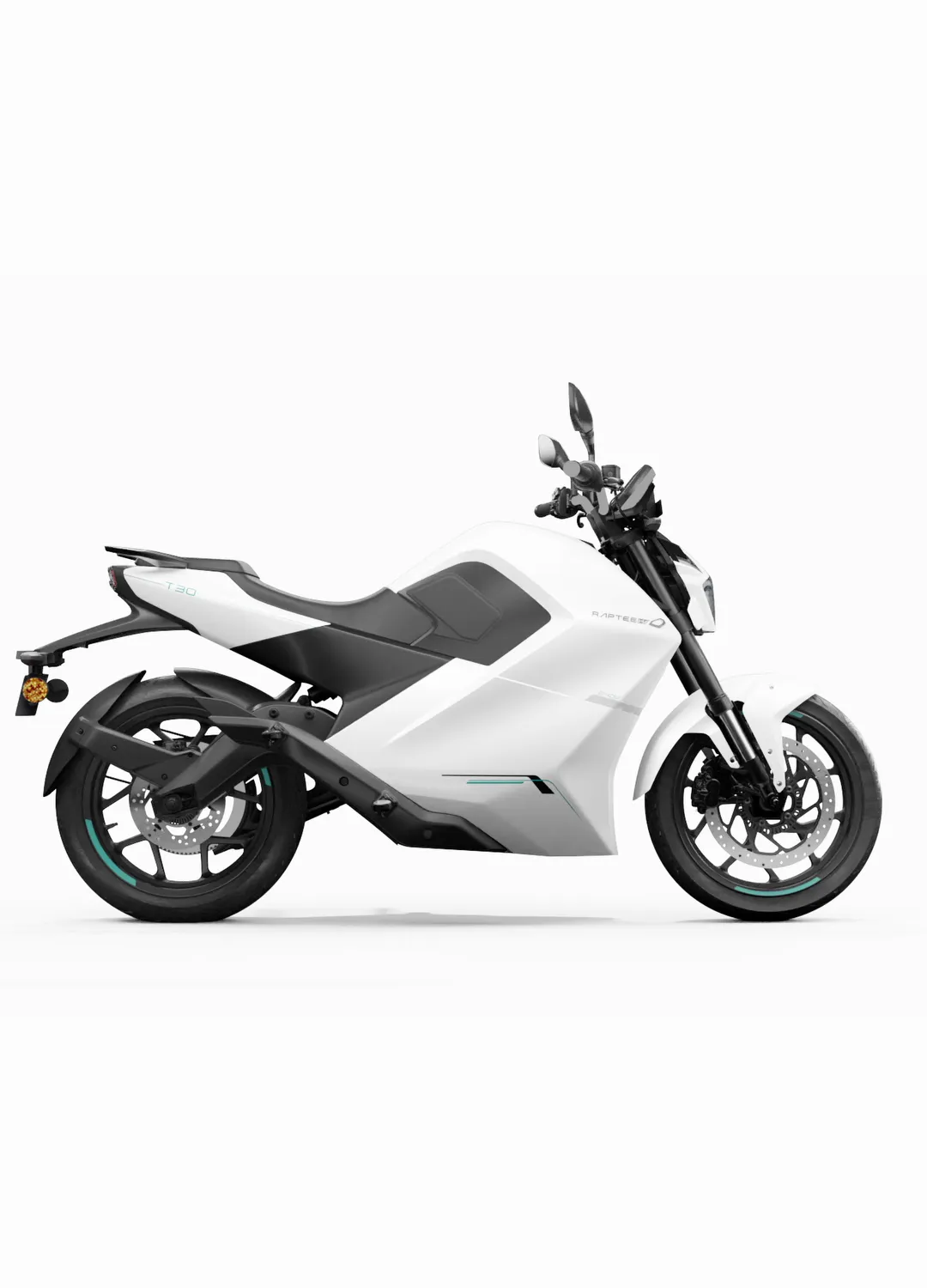
Eliminate shop visits by delivering software bug fixes and feature rollouts directly via cellular IoT.
Understanding how over-the-air motorcycle OTA updates work under UNECE R156 automotive security compliance standards.
In modern high-voltage electric two-wheelers, the phrase over-the-air motorcycle OTA updates covers two distinct functional layers: Firmware Over-The-Air (FOTA) and Software Over-The-Air (SOTA). When fleet managers and global procurement executives evaluate commercial EV motorcycles, understanding the micro-architecture of these update mechanisms is vital for ensuring long-term vehicle availability and operational safety.
A persistent vulnerability in legacy connected vehicles during OTA updates is the risk of "bricking" an Electronic Control Unit (ECU) when cellular connectivity drops mid-transmission. Advanced platforms like the Raptee.HV T30 solve this challenge through automotive Dual-Bank A/B Flash Memory partitioning across the Vehicle Control Unit (VCU) and Battery Management System (BMS).
During an update payload push, the incoming binary image is written to an inactive memory partition (Bank B) while the vehicle continues executing operational microcode from the active memory partition (Bank A). Once the cryptographic hash (SHA-256) and digital certificate signature are validated by the Hardware Security Module (HSM), the bootloader flips the execution pointer to Bank B upon the next ignition state change. If checksum verification fails at any stage, the system automatically falls back to Bank A with zero downtime.
Security is non-negotiable for enterprise EV deployments. Modern over-the-air motorcycle OTA updates utilize public key infrastructure (PKI) with asymmetric ECC (Elliptic Curve Cryptography) encryption. The payload origin is verified against the manufacturer’s root Certificate Authority (CA) before any flash write procedure begins. This prevents malicious firmware injection, unauthorized speed/torque limit modifications, or ransomware threats on enterprise fleets.
Transmitting full 128MB microcode binaries over cellular networks incurs unnecessary data latency and carrier bandwidth costs. Professional software-defined motorcycles employ differential patching algorithms. By transmitting only the byte-level code delta (differences between Version N and Version N+1), update file sizes are compressed by up to 90%, allowing ECU flashing over low-bandwidth 4G/LTE IoT SIM networks within minutes.
What global buyers, B2B fleet operators, and regional distributors must analyze when sourcing smart electric motorcycles for 2025–2030.
Hardware specs are no longer static. B2B buyers now demand vehicles whose range, efficiency, and UI evolve continuously via over-the-air motorcycle OTA updates.
Connected ECUs stream cell-level temperature, state-of-health, and isolation resistance data to cloud platforms, triggering predictive OTA recalibrations before failures occur.
Global regulatory bodies require structured Software Update Management Systems (SUMS). Sourcing compliant platforms reduces international homologation friction.
Remote diagnostics and cloud firmware patches reduce warranty processing costs by up to 40% for regional distributors and dealership networks.
Over the past decade, electric motorcycle procurement focused primarily on mechanical battery size (kWh) and nominal motor wattage (kW). However, enterprise buyers operating in Europe, North America, Latin America, and Southeast Asia have discovered that static hardware platforms incur high field-service expenses. Without over-the-air motorcycle OTA updates, fixing a minor sensor timing glitch or updating a charging protocol handshake requires physical dealer recalls, mechanic labor, and vehicle downtime.
By contrast, procurement strategies aligned with connected software-defined architecture enable centralized fleet administration. Operators can adjust speed governors for specific city zones via geofencing, update battery thermal management algorithms for extreme climates, and introduce new digital dashboard features to end-customers without replacing physical hardware.
Built on a car-grade high-voltage platform with native support for over-the-air motorcycle OTA updates and universal CCS2 fast charging compatibility.
The Raptee.HV T30 is engineered from the ground up around a high-voltage powertrain architecture. Unlike low-voltage 48V/72V scooters, the T30 runs on car-grade voltage levels, providing sustained high-speed output, reduced current heat losses, and seamless integration with public CCS2 car charging networks.
Every T30 features an integrated IoT telematics control unit (TCU) running Raptee OS. This enables continuous over-the-air motorcycle OTA updates for motor controller maps, BMS thermal limits, touchscreen UI modules, and regional charger interoperability protocols.
Software Defined. Performance Proven.
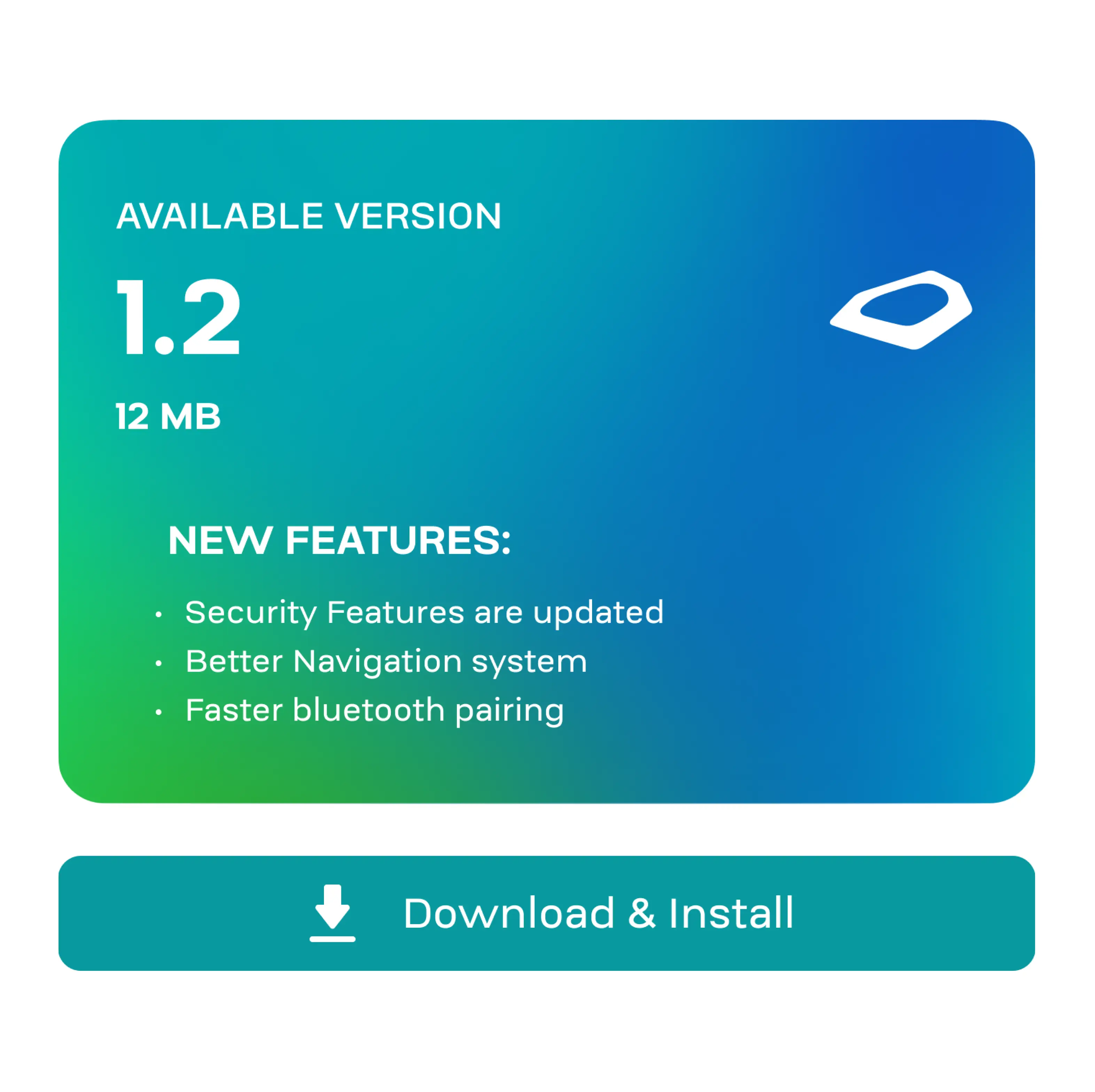 RAPTEE OS · OTA LIVE
 Referencing our engineering heritage, Chennai production facility, and automotive-grade EV innovation capabilities.
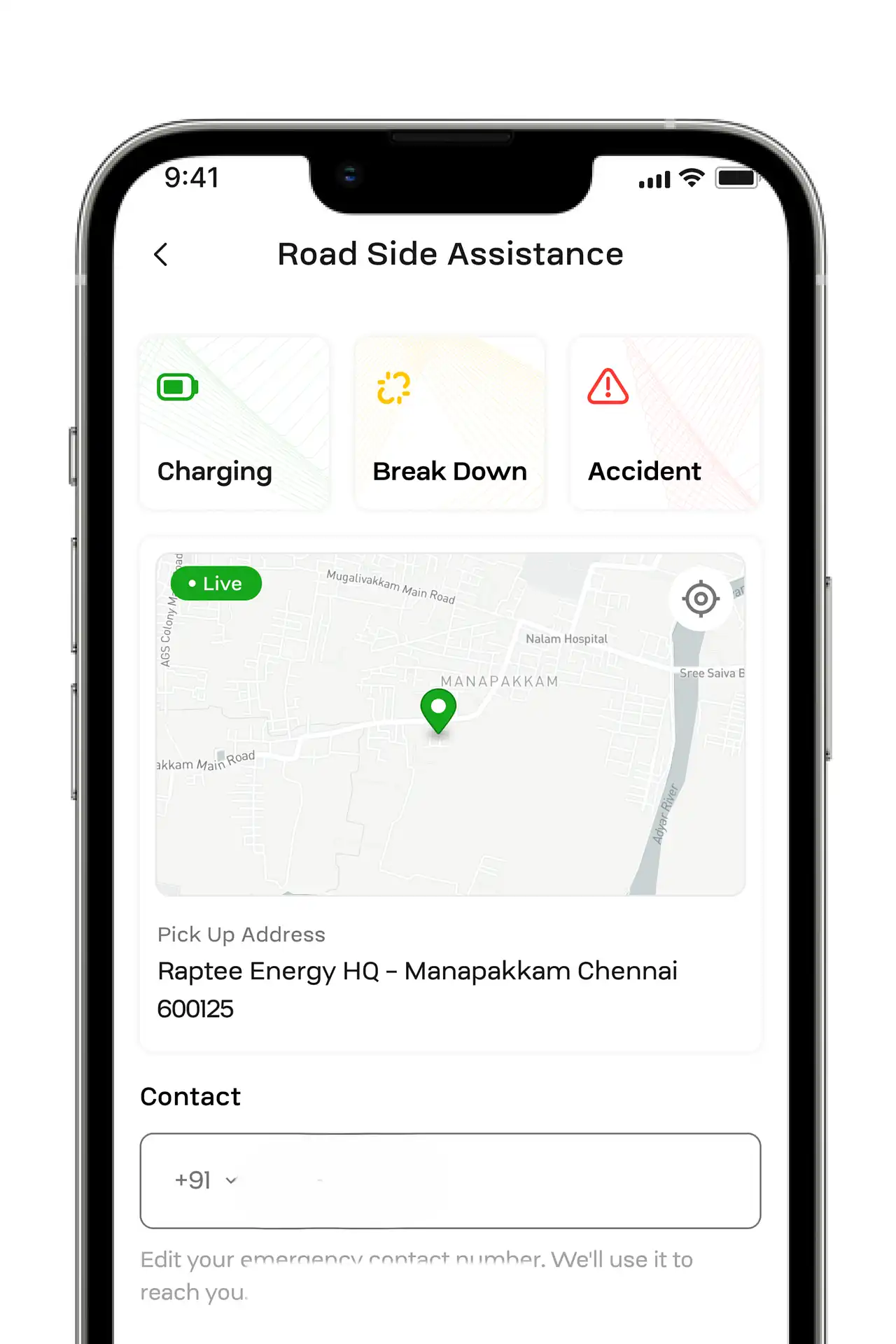
Backed by robust thermal management and continuous BMS algorithm updates, our 8-year or 80,000 km battery warranty provides complete risk protection for procurement partners.
Engineered and manufactured in Chennai, India (CIN: U34100TN2019PTC132155). We control our hardware, VCU firmware, and cloud stack natively—allowing custom B2B OTA integration.
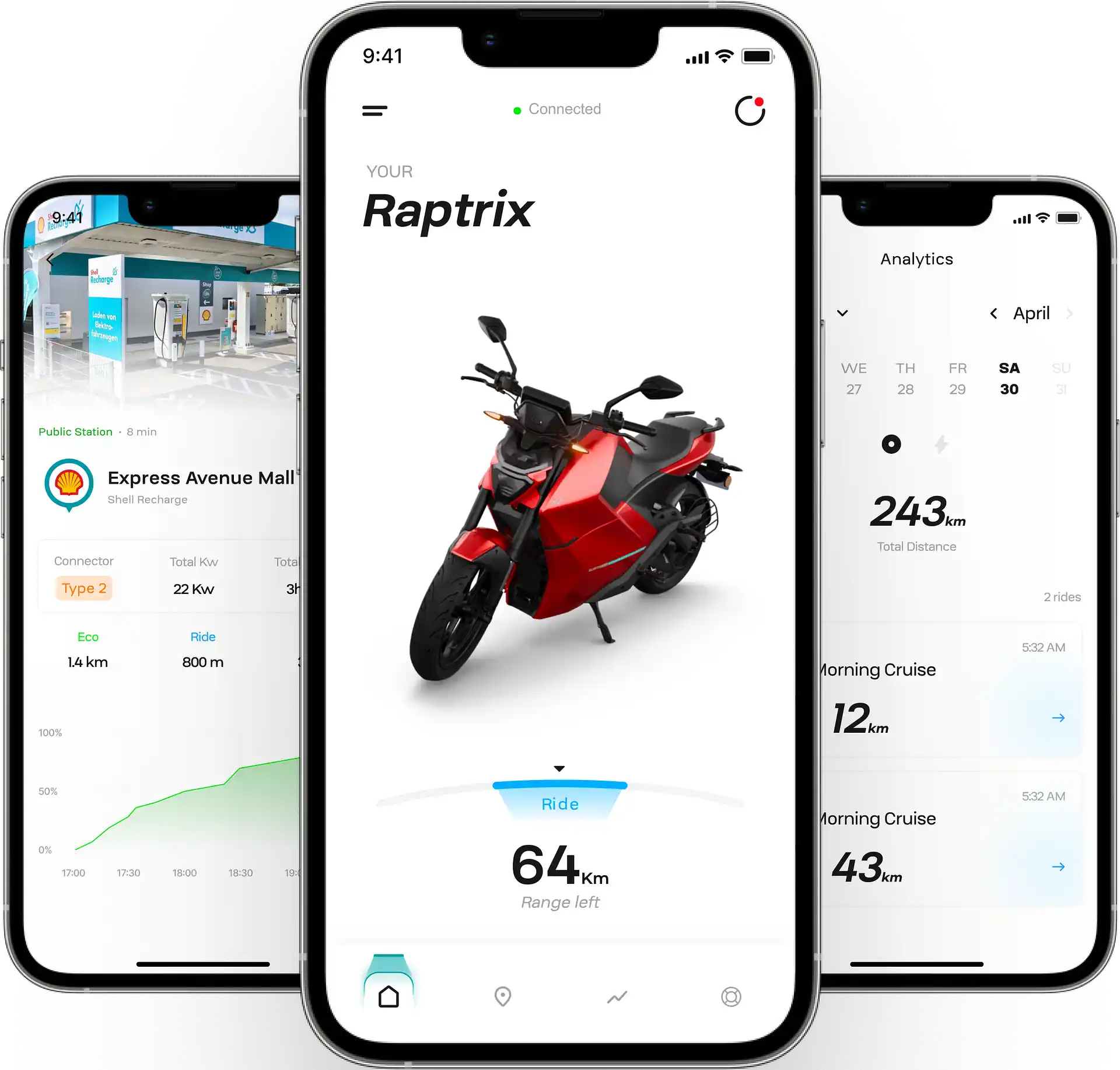
Our comprehensive cloud platform provides B2B distributors and fleet operators with customized dashboard APIs, real-time diagnostic telemetry, automated over-the-air motorcycle OTA updates, geofencing enforcement, and battery health analytics across entire vehicle fleets.
Essential technical and commercial answers for international procurement managers, EV fleet operators, and regional importers.
Partner with Raptee.HV to bring high-voltage software-defined electric motorcycles with over-the-air OTA update capabilities to your market.