
Why Universal EV Car Charger Compatibility is the Core Buying Factor for Global EV Procurement
In the rapidly maturing global electric vehicle landscape, purchasing managers, commercial fleet directors, and automotive importers face a fundamental dilemma: charging interoperability vs. proprietary lock-in. Historically, the electric two-wheeler (L-category) industry has operated on low-voltage (48V to 72V) DC systems or proprietary wall-box AC adapters. This fragmentation creates immense operational drag for fleets, forces municipalities to erect redundant charging posts, and leaves end consumers suffering from range anxiety.
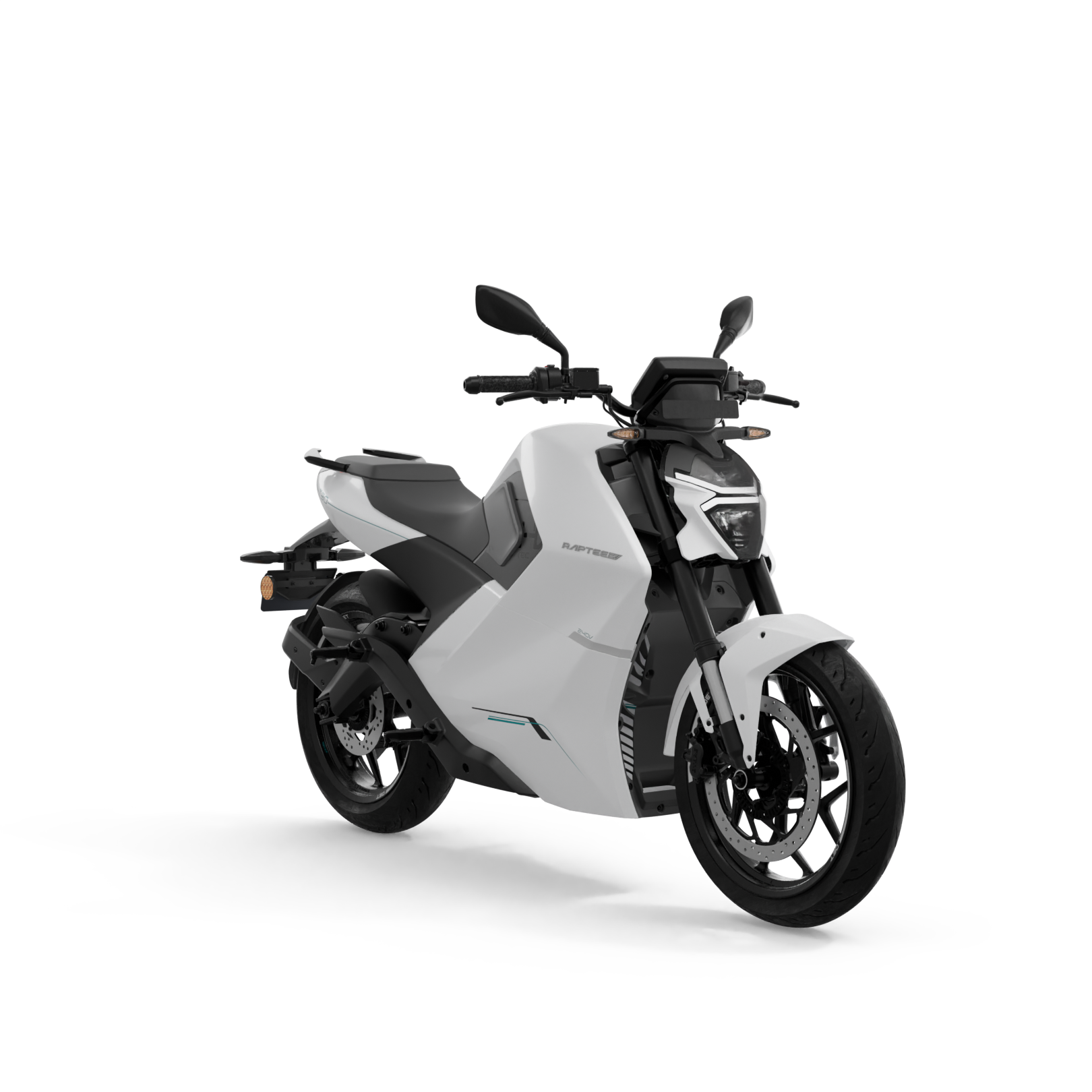
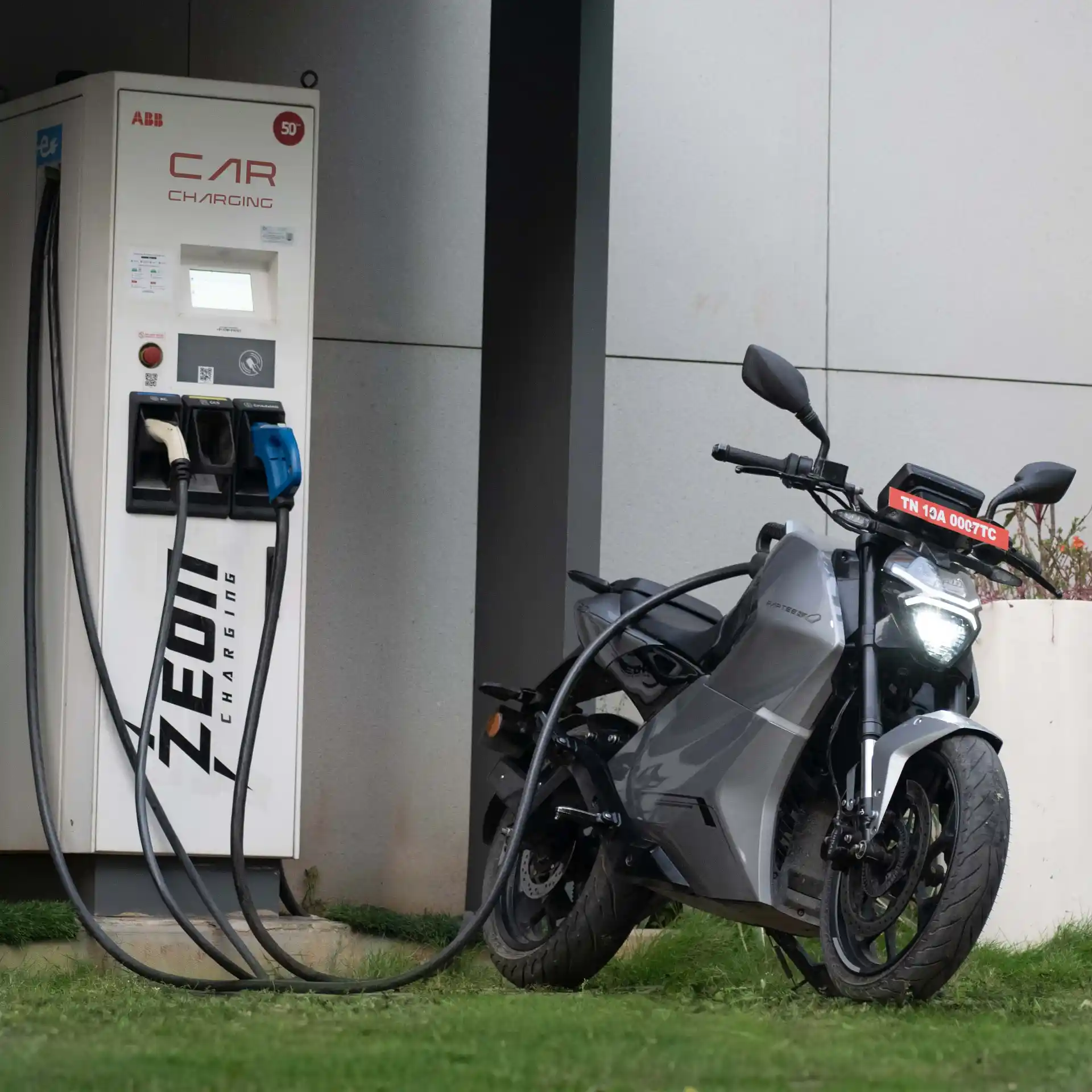
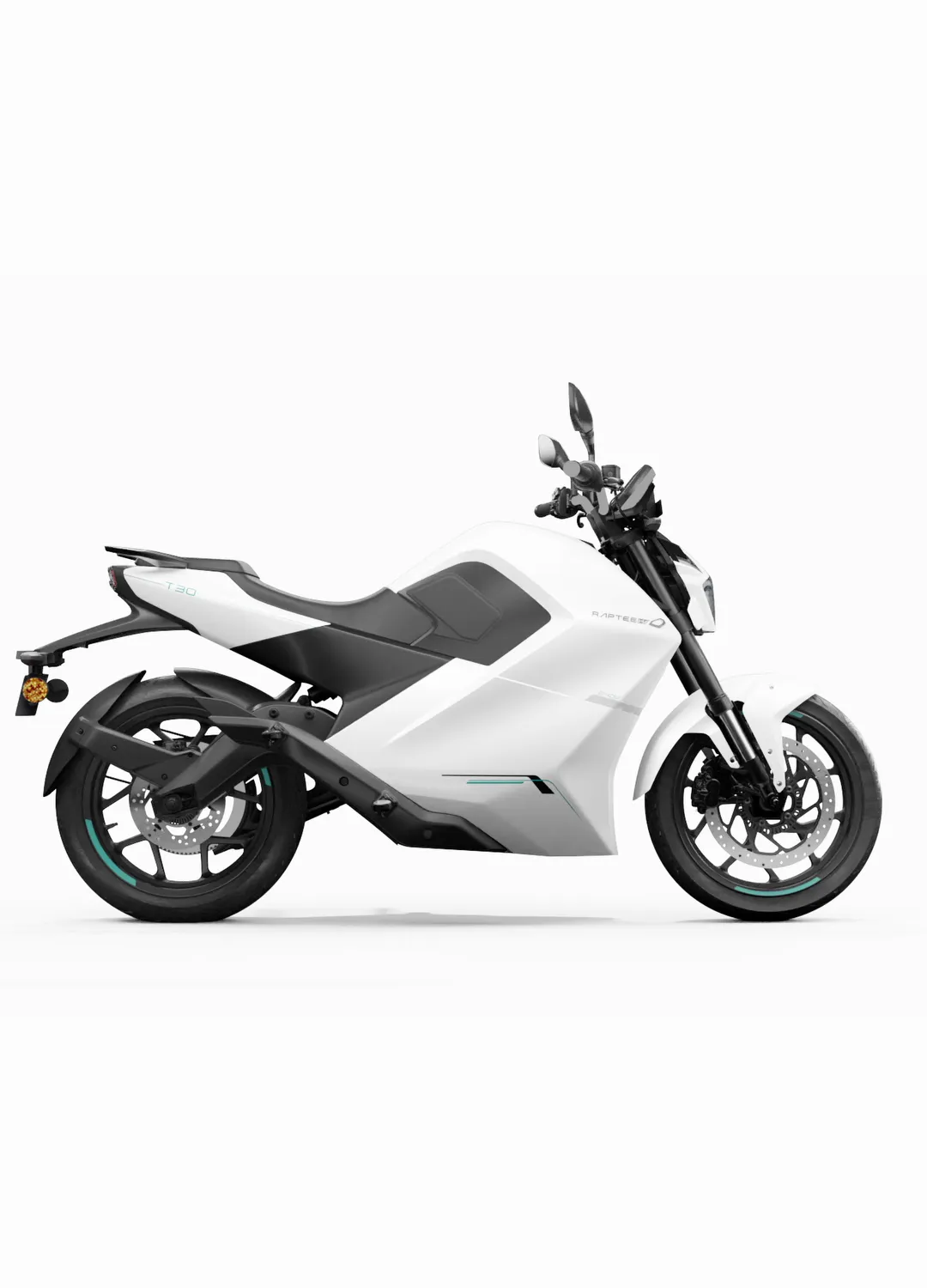
Universal EV car charger compatibility eliminates this structural barrier. By engineering a vehicle from the ground up to interface directly with international automotive Combined Charging System 2 (CCS2) protocols, the Raptee.HV T30 bridges the technical gap between light electric vehicles and multi-billion-dollar public electric car charging infrastructure. Commercial buyers no longer need to provision separate private charging depots or wait for localized 2-wheeler charging standard deployment.
Executive Procurement Insight: The Financial Mechanics of CCS2 Standardization
Integrating Universal EV car charger compatibility directly translates to significant capital expenditure (CAPEX) and operational expenditure (OPEX) savings for commercial fleet operators and regional distributors:
- 100% Elimination of Private Charging Infrastructure CAPEX: Fleet vehicles can utilize existing public fast-charging points installed for electric cars (over 29,000+ points across primary markets and growing exponentially across Europe, Asia, and Latin America).
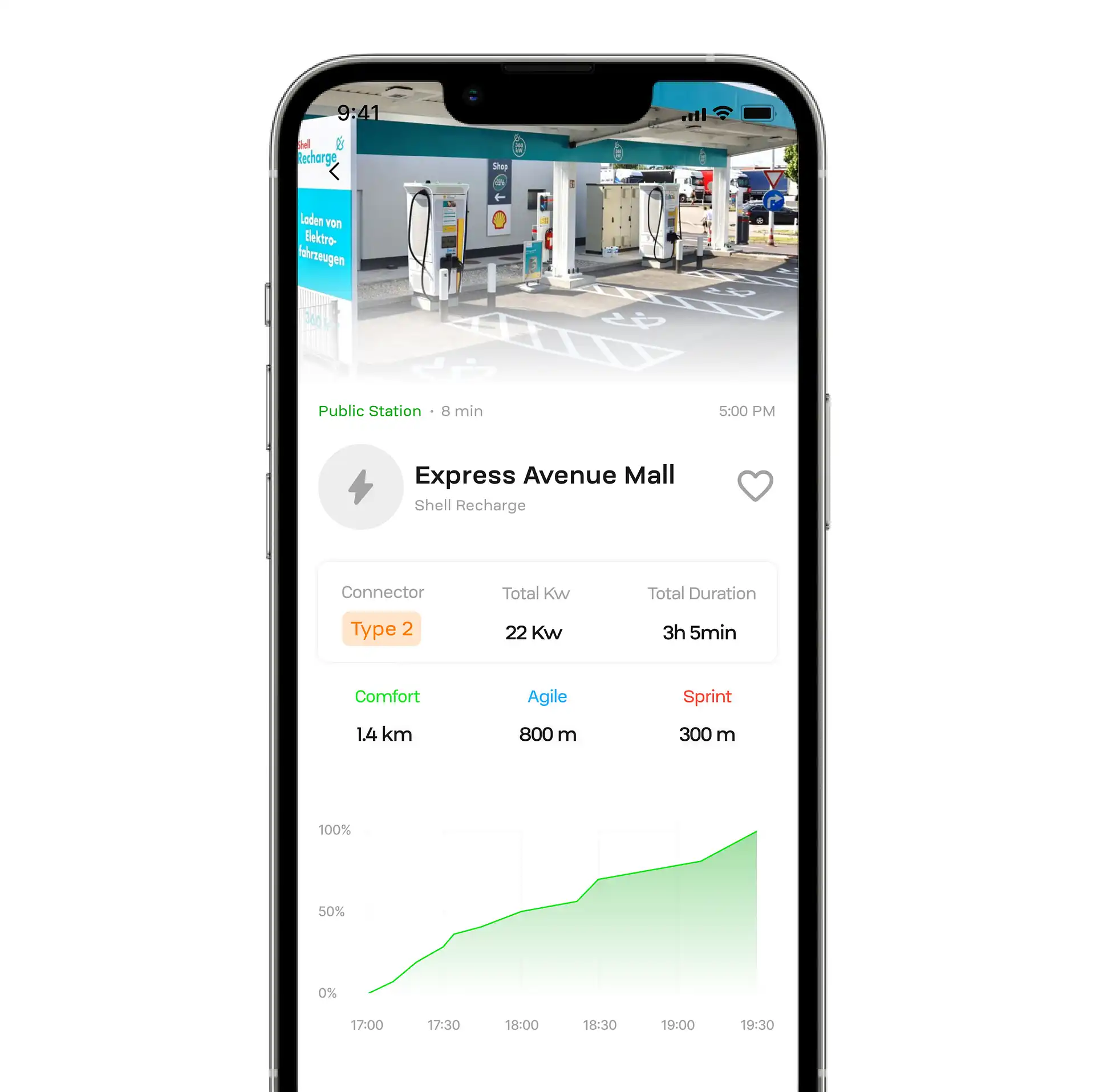
- Reduced Vehicle Downtime: High-Voltage (HV) direct current (DC) fast charging replenishes 20% to 80% battery capacity in approximately 36 minutes, delivering up to 3x faster turnaround compared to conventional commercial 72V fast chargers.
- Future-Proof Homologation: CCS2 aligns with European Union, ISO 15118, and IEC 61851 international standards, drastically simplifying cross-border regulatory compliance and import approvals.
- Superior Battery Longevity: High-voltage architecture operates at lower currents for equivalent power delivery ($P = V \times I$). Lower amperage minimizes thermal dissipation ($I^2R$ resistive heating), protecting cell degradation and allowing an industry-leading 8-year or 80,000 km manufacturer warranty.

Thermal Stability
Reduced current flow avoids thermal throttling during continuous high-speed cruising.
CCS2 Interoperability
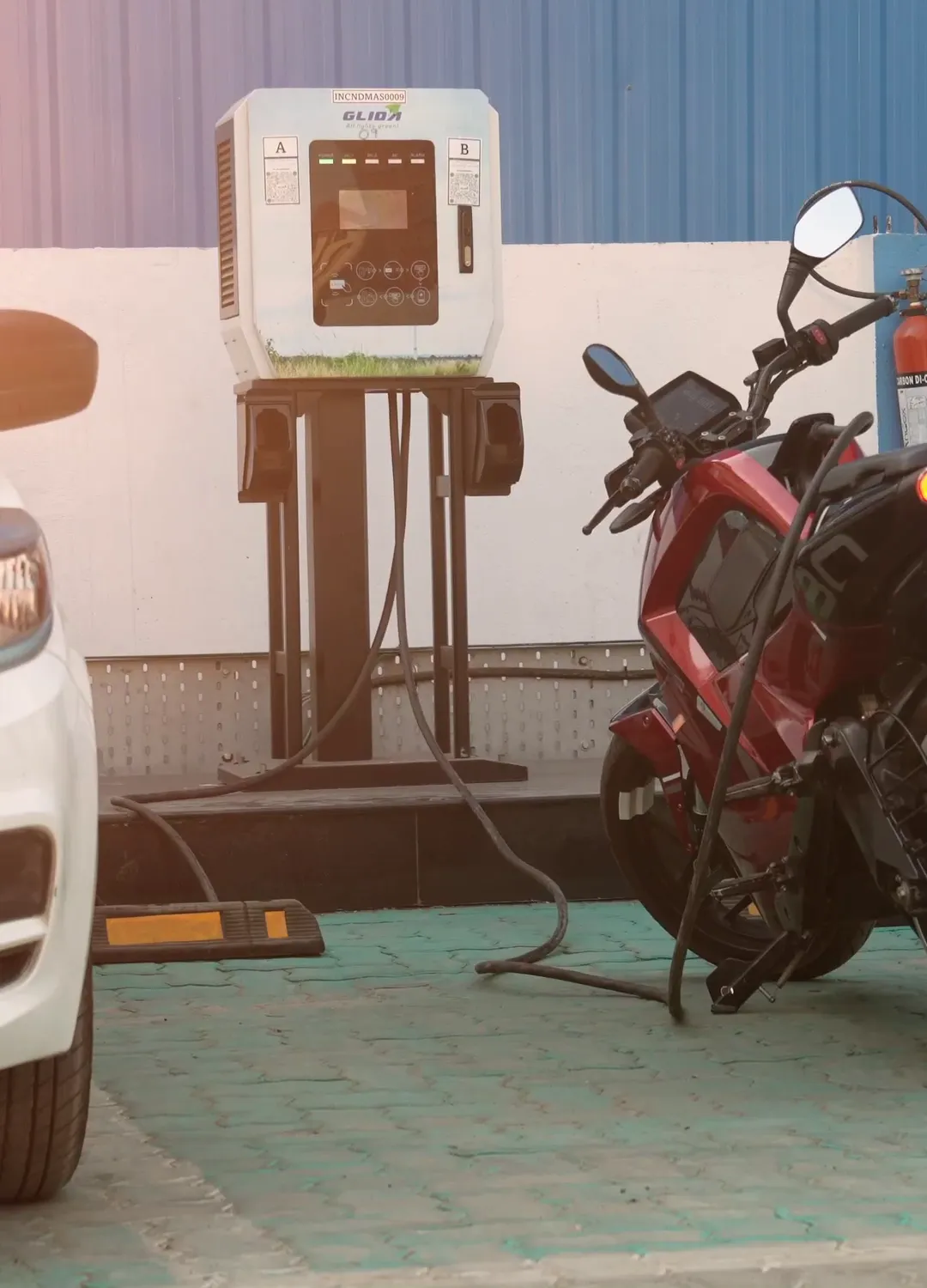
Plugs straight into standard public car DC chargers without adapters.
8-Year Warranty
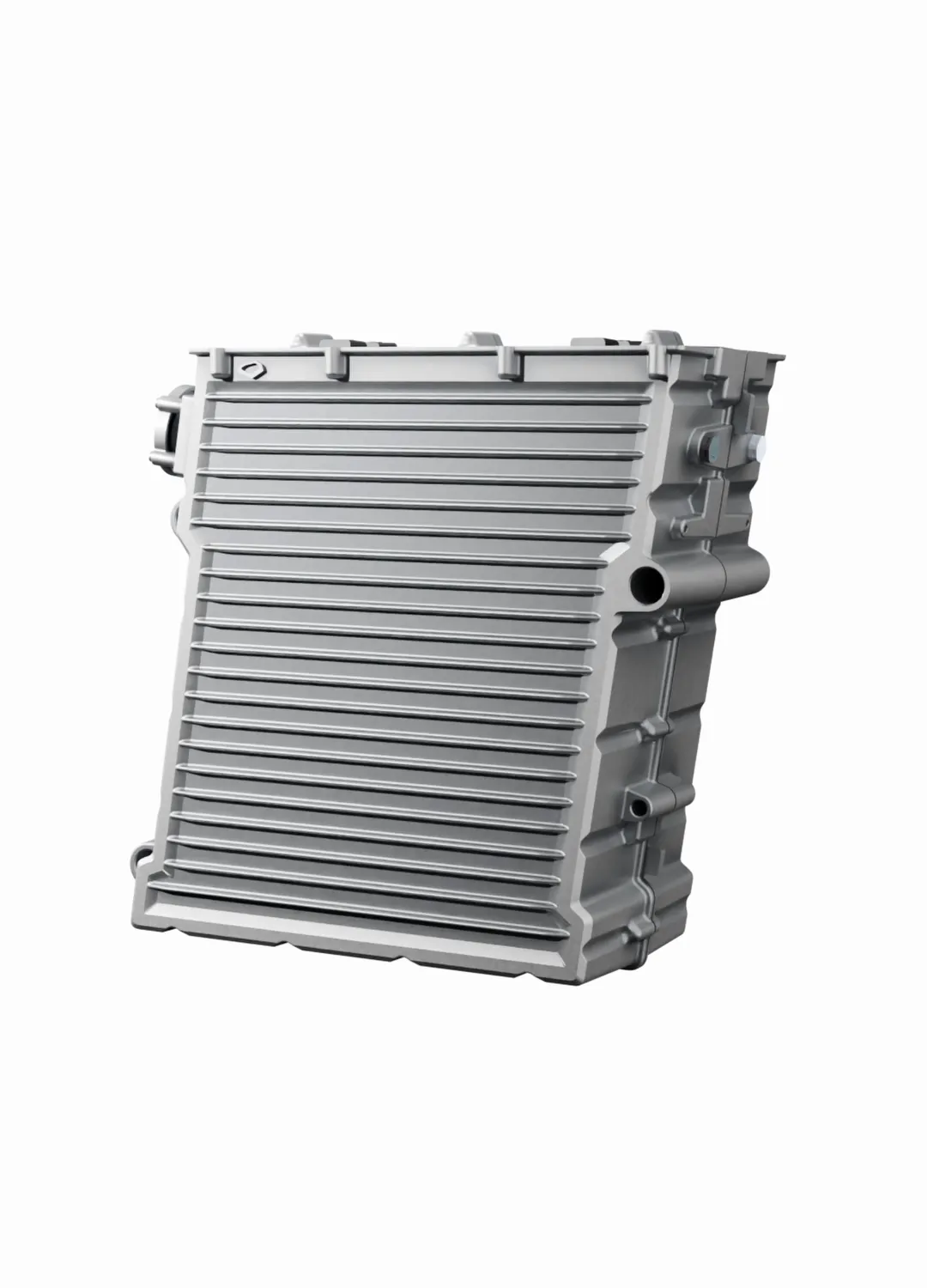
Car-grade safety margins backed by factory warranty for commercial security.
Low Maintenance
Fewer moving parts than internal combustion engines, minimizing workshop overhead.
Technical Deep-Dive: High-Voltage Architecture vs. Traditional Low-Voltage 2-Wheeler Systems
To understand the game-changing nature of universal EV car charger compatibility, commercial buyers must examine the electrical engineering fundamentals contrasting low-voltage (LV) and high-voltage (HV) EV platforms:
| Technical Metric | Conventional Low-Voltage EVs (48V - 72V) | Raptee.HV T30 High-Voltage Platform (240V+ Class) |
|---|---|---|
| Charging Protocol Compatibility | Proprietary AC slow adapters / non-standard DC plugs | Universal CCS2 (Automotive Standard IEC 62196-3) |
| Current Load at 22 kW Peak Output | ~300A to 450A (Requires thick, heavy cabling; extreme heat generation) | ~70A to 95A (Reduced thermal stress, lighter harness) |
| Public Car Station Access | Incompatible (Cannot handle 240V-800V DC public stations) | Native Compatibility (Plugs into any public automotive DC charger) |
| 20% to 80% Fast Charge Speed | 2.5 to 4.0 Hours (Limited by battery thermal ceiling) | ~36 Minutes (15-min quick charge adds up to 50 km range) |
| Onboard Charging Capability | Heavy external power brick required in backpack | Built-in Onboard Charger (Standard household wall plug compatible) |
| Powertrain Thermal Efficiency | High thermal losses; frequent power derating on highways | Consistent top speed performance (135 km/h) with minimal degradation |
| Commercial Lifecycle & Warranty | Typically 2 to 3 years max battery warranty | 8 Years or 80,000 km Manufacturer Warranty |
Future Global EV Procurement Trends (2025–2035): Why Interoperability Rules the Market
As global governments enforce stricter zero-emission mandates, public infrastructure policies are prioritizing standardisation. The European Union's Alternative Fuels Infrastructure Regulation (AFIR), alongside similar policy initiatives in North America and Asia-Pacific, explicitly mandates standard CCS2/NACS public charging access. Procurement managers who invest in vehicles tied to proprietary 2-wheeler charging protocols run severe risks of asset obsolescence and reduced resale values.
Key procurement trends driving the adoption of universal EV car charger compatible motorcycles include:
- Unified Commercial Fleet Management: Mixed fleets comprising electric delivery vans, passenger cars, and motorcycles can now utilize a single charging billing account, single payment protocol, and identical charging hardware infrastructure.
- Grid-to-Vehicle (G2V) & Smart Telematics Integration: Automotive-grade CCS2 protocols utilize standardized ISO 15118 high-level communication over Power Line Communication (PLC). This allows advanced vehicle identification, automated billing (Plug & Charge), and remote fleet telematics monitoring.
- Rapid Scale in Secondary Markets: In emerging markets where dedicated 2-wheeler charging networks are non-existent, public EV car charging infrastructure is expanding rapidly near highways and urban hubs. Universal compatibility allows immediate market entry for importers without waiting for municipal 2-wheeler infrastructure development.
Product Development Trends: How High-Voltage Integration Enhances Rider Experience
Beyond commercial fleet benefits, universal EV car charger compatibility dictates the entire mechanical and software layout of modern urban roadsters and streetfighters. The Raptee.HV T30 demonstrates how car-grade HV architecture unlocks premium riding dynamics:
- Instantaneous 70 Nm Torque Delivery: High-voltage energy transfer allows the 22 kW permanent magnet synchronous motor to launch the motorcycle from 0 to 60 km/h in just 3.5 seconds.
- Weight Distribution & Ergonomics: The compact high-voltage 5.4 kWh battery pack occupies less volumetric space for the equivalent power capacity, lowering the center of gravity and providing flickable, responsive handling.
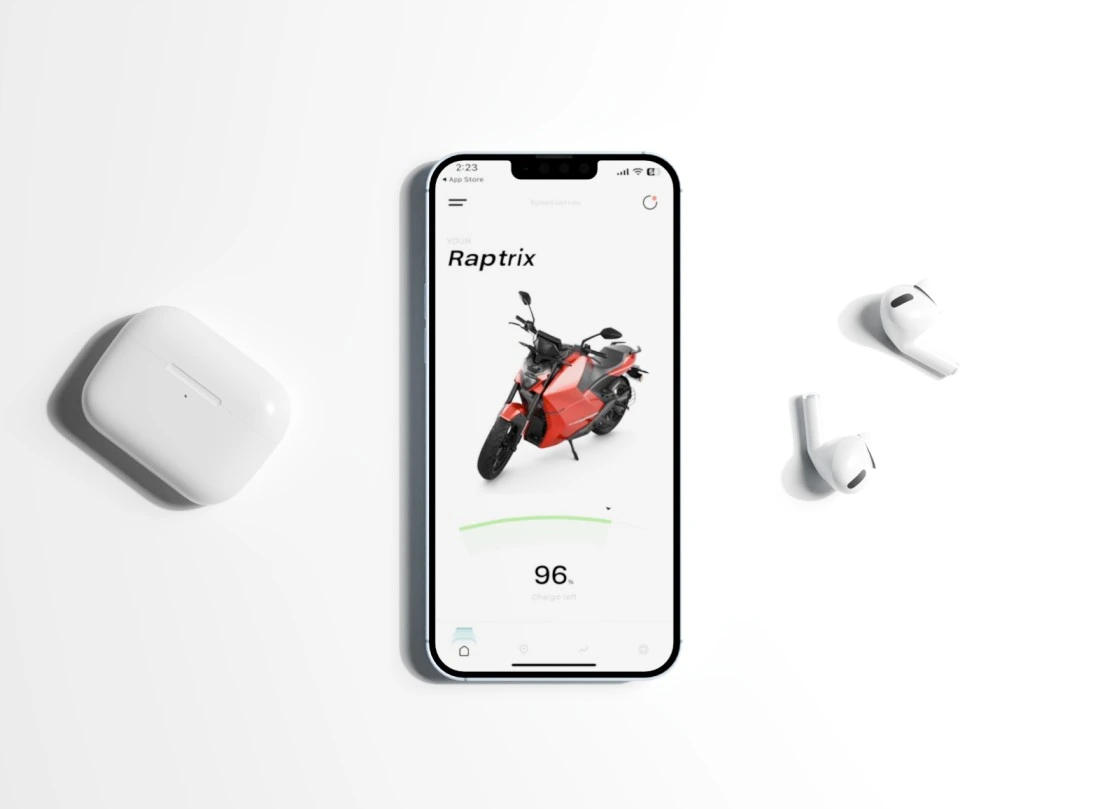
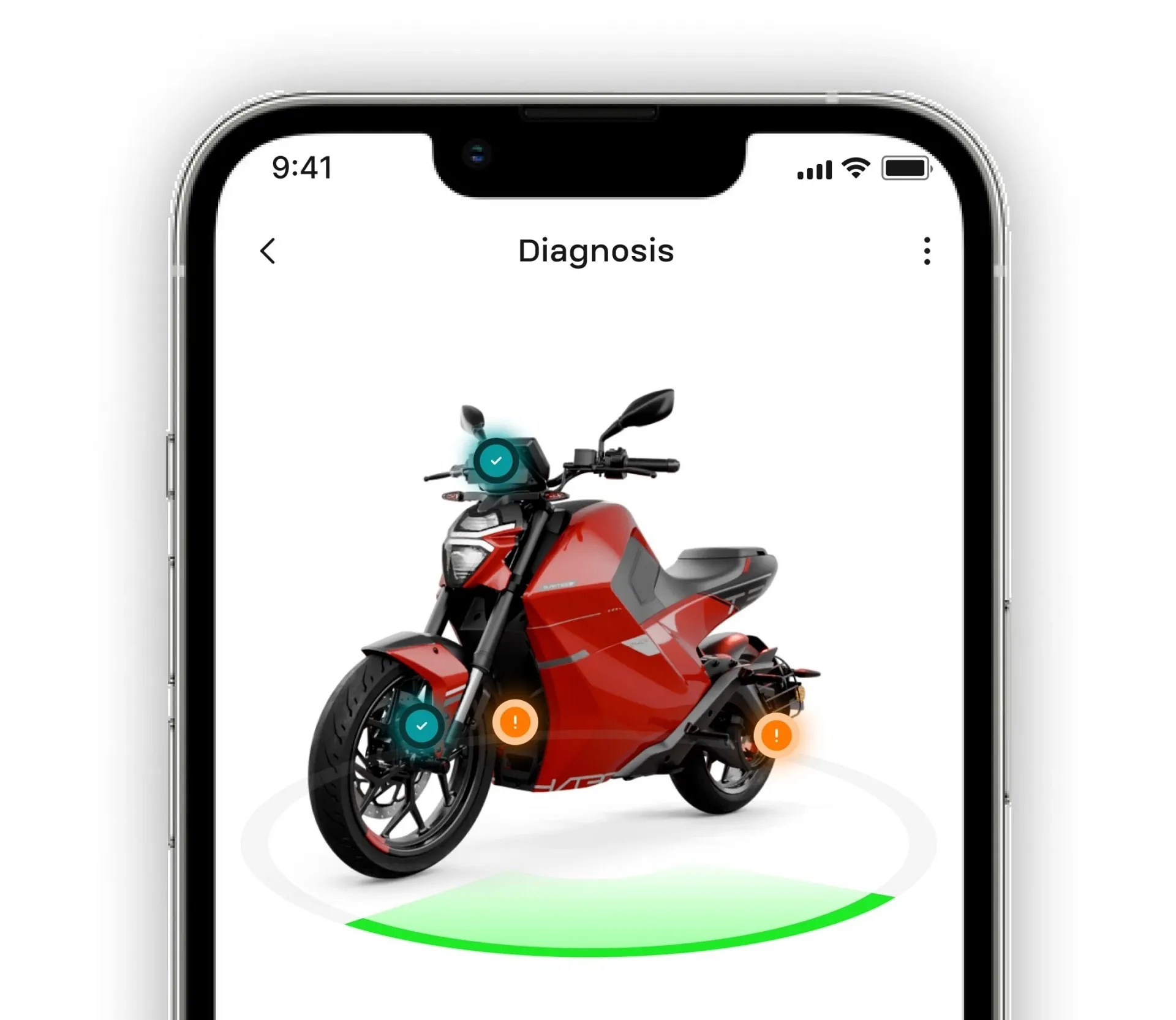
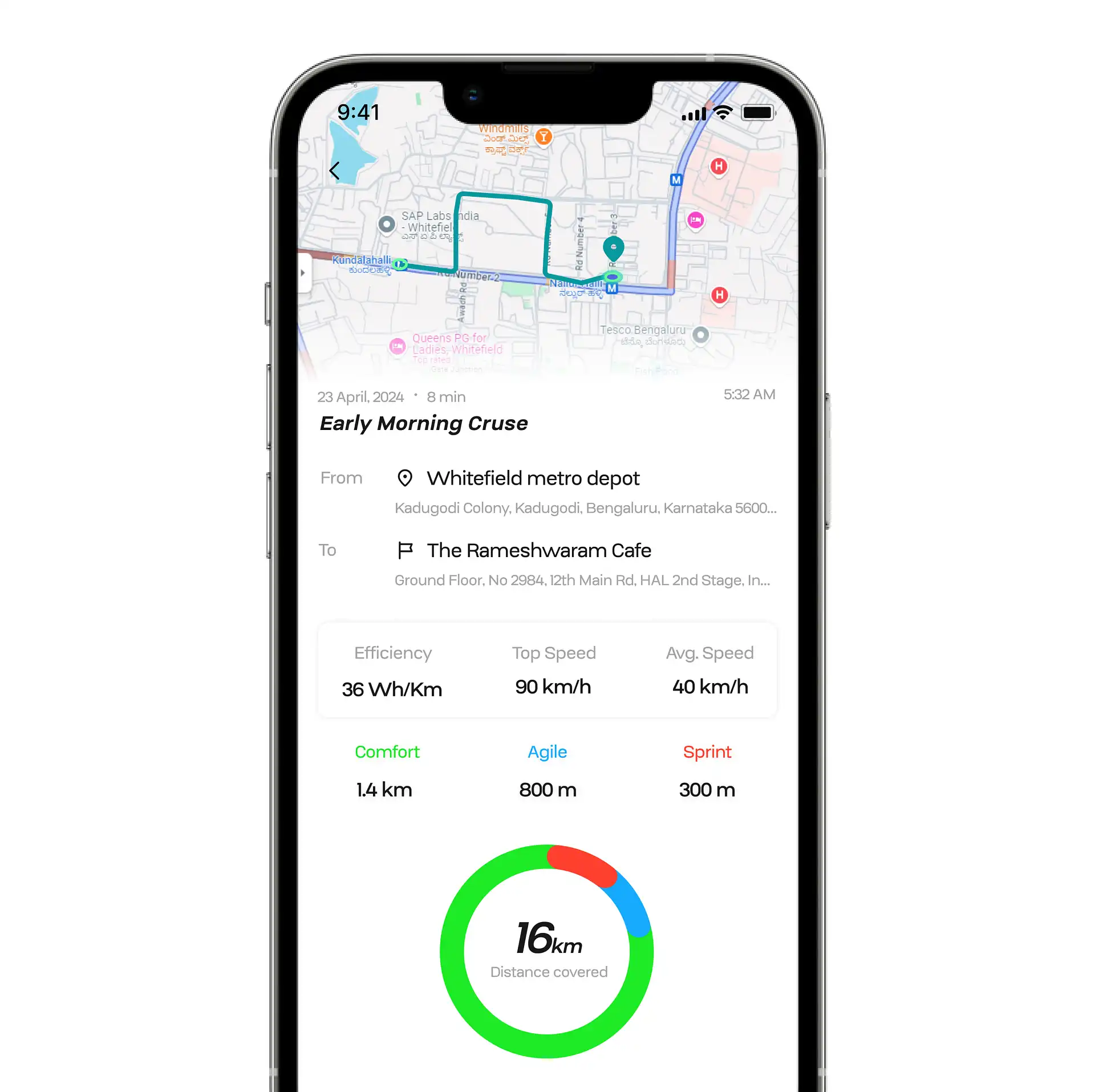
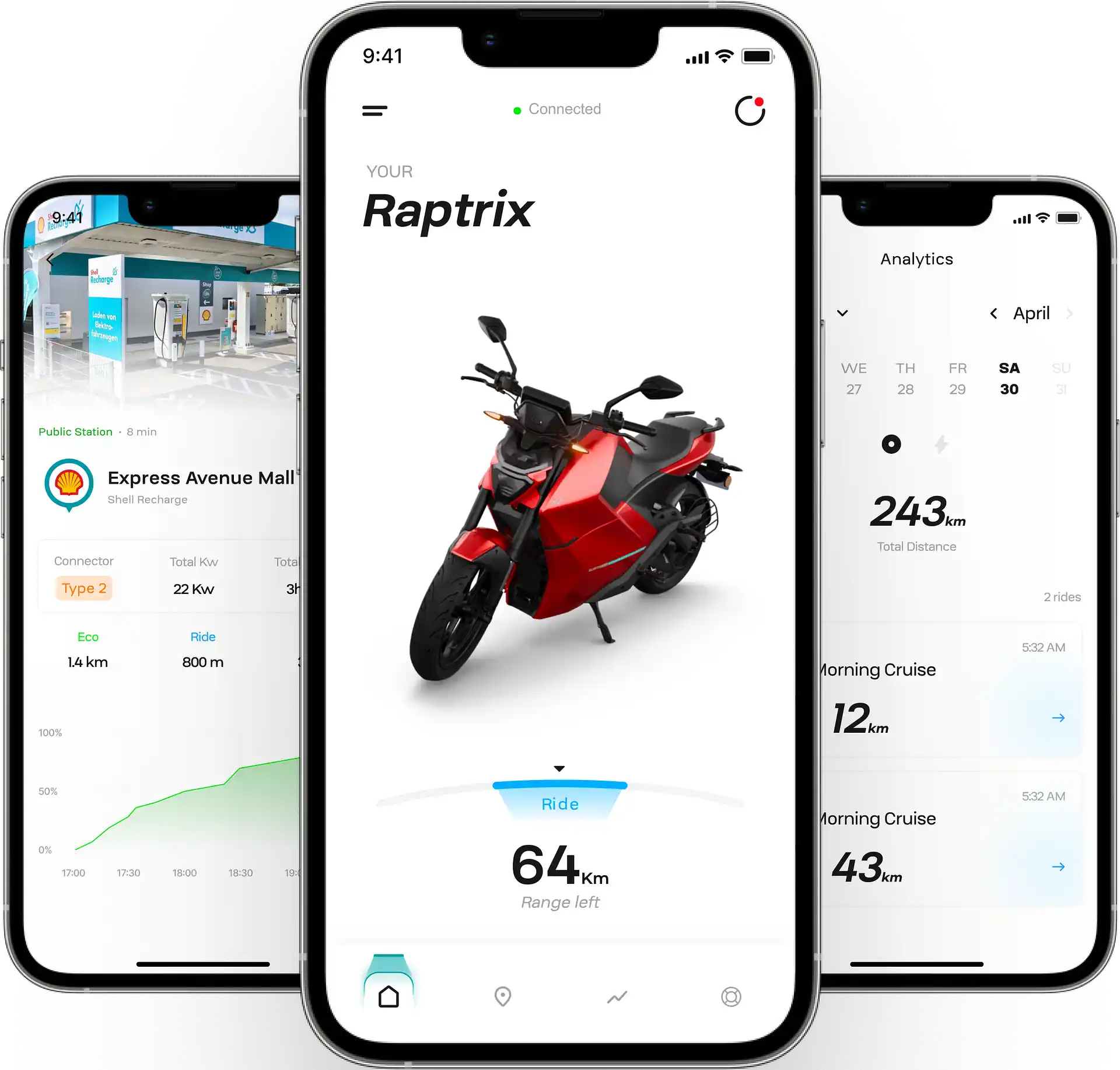
- Connected Cockpit Intelligence: Integrating Raptee OS with a 17.7 cm (7-inch) TFT touchscreen display provides real-time CCS2 charger station discovery, turn-by-turn navigation via Raptee Maps, and predictive battery state-of-charge algorithms based on riding style and ambient temperature.