

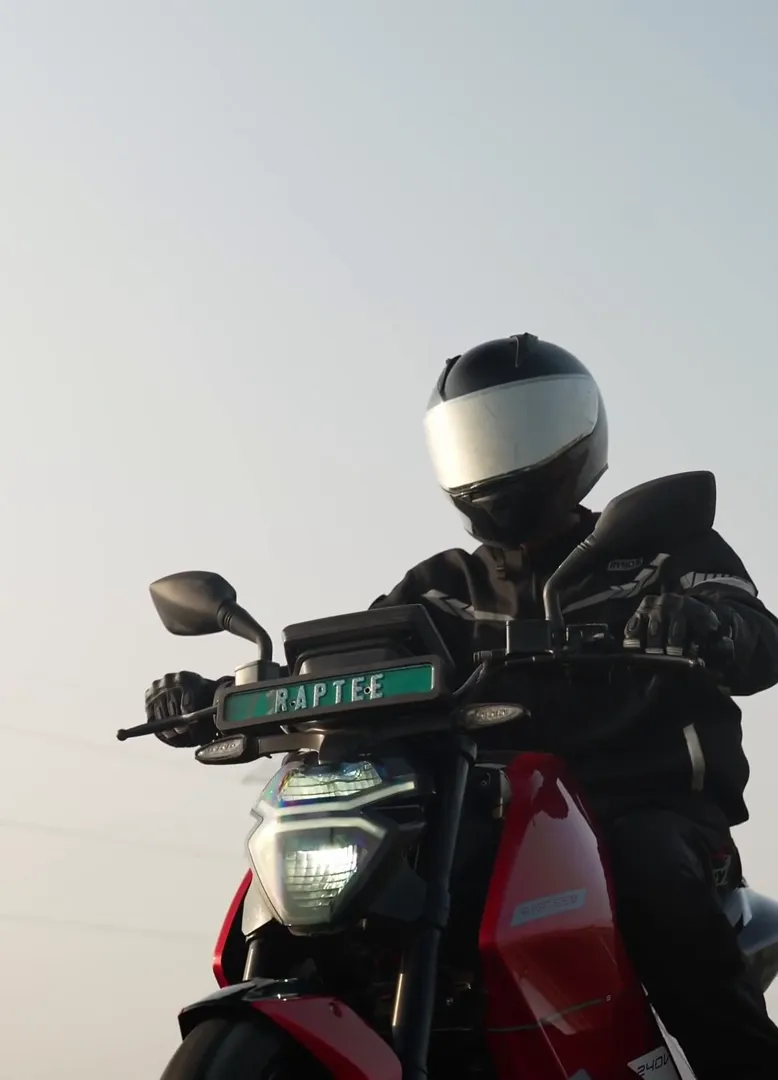
Drivetrain
Automotive Power Density
Consistent 22 kW peak output without thermal throttling, built for demanding global markets.
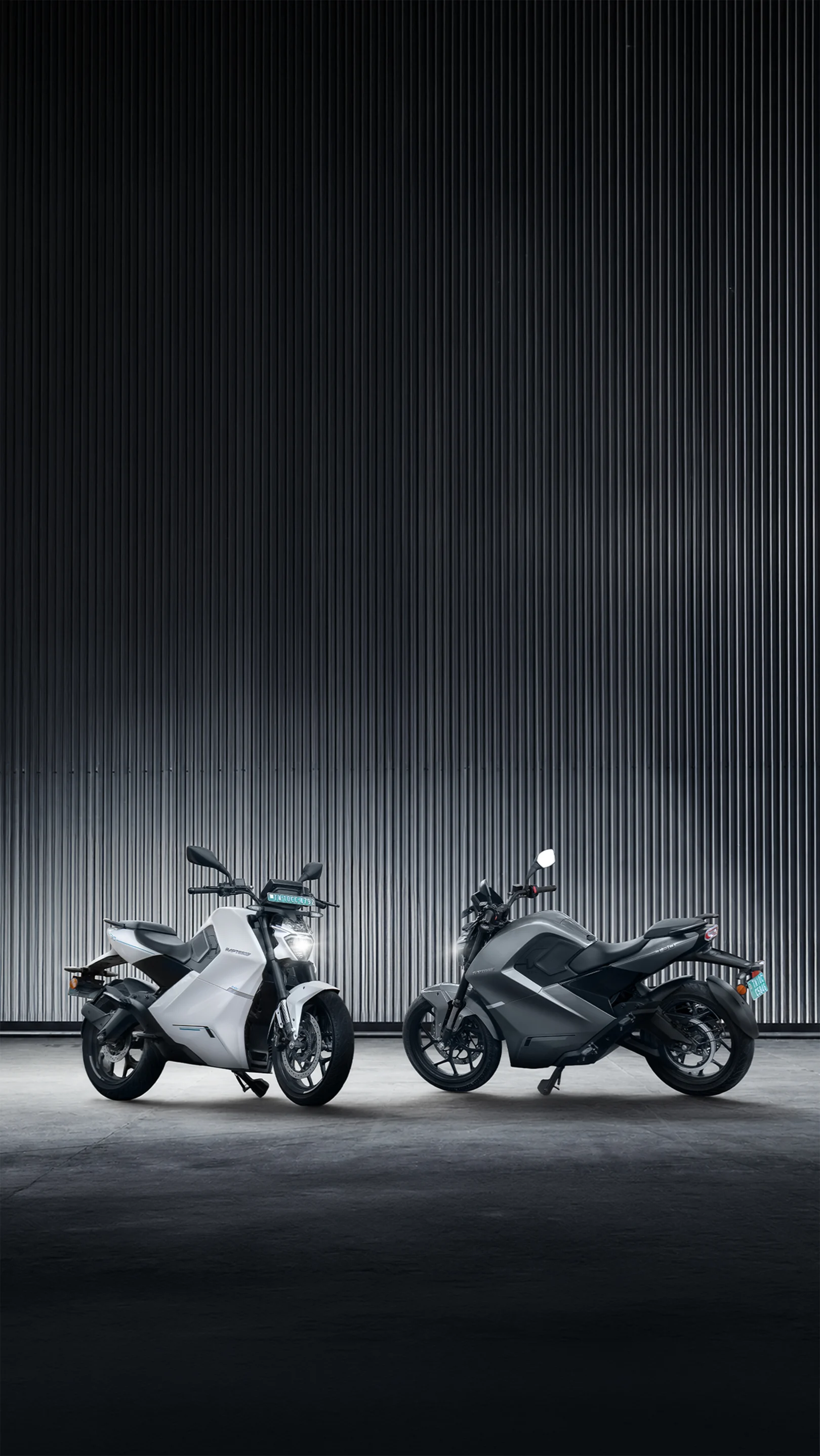
GLOBAL PROCUREMENT & TECHNICAL GUIDE
Why high-voltage car-grade architecture, universal CCS2 compatibility, and 5.4 kWh battery engineering represent the definitive future of commercial electric two-wheeler distribution.
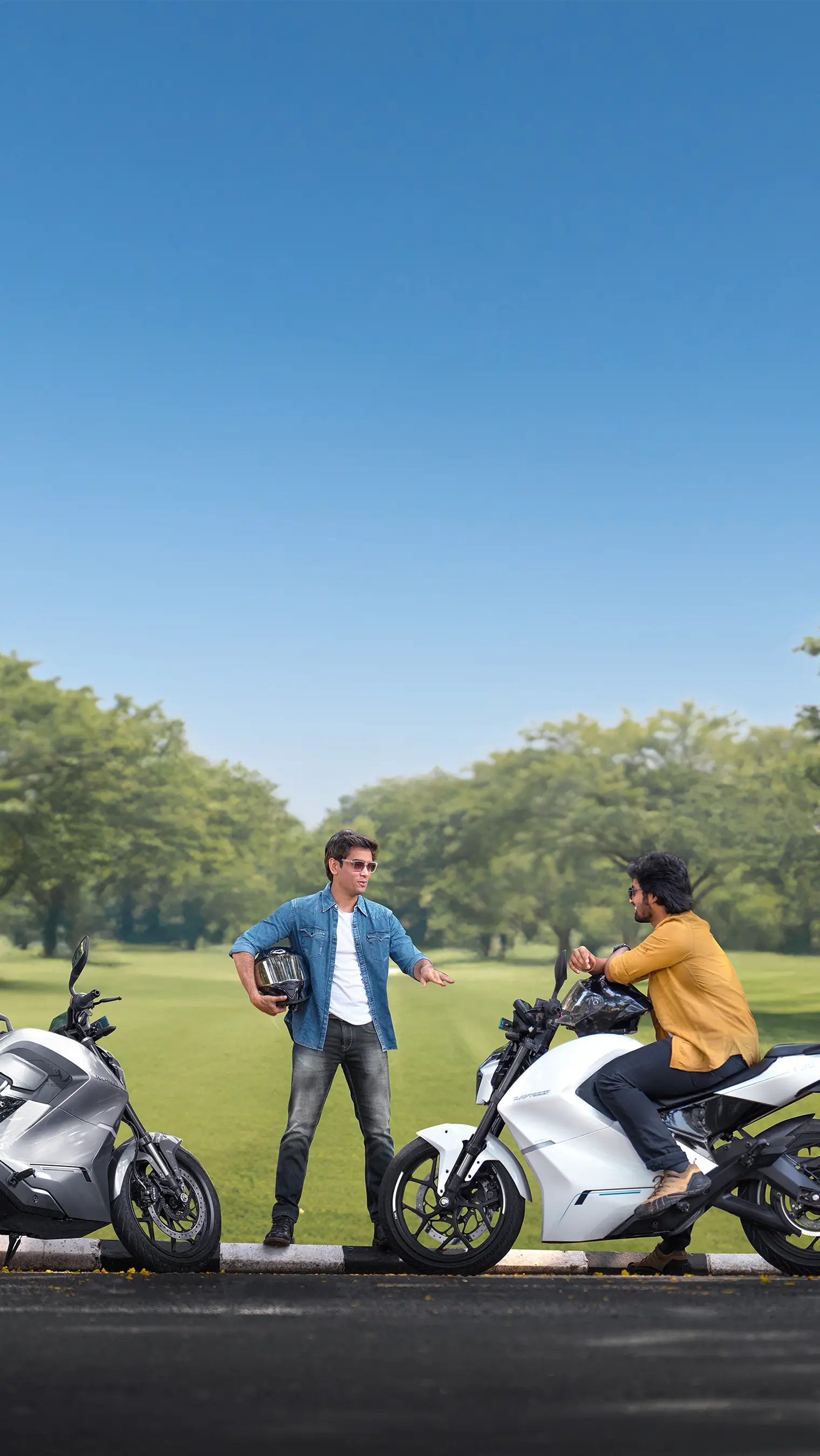
135 KM/H TOP SPEED · 0-60 IN 3.5 S
Redefining Performance via Car-Grade Engineering
Eliminate thermal throttling and proprietary charger locks. Designed for international importers and commercial fleet operators.
Global importers, distributors, and mobility fleet executives face a critical bottleneck: legacy low-voltage (48V–72V) electric motorcycles rely on slow proprietary wall adapters or fragmented charging networks. The integration of CCS2 fast charging electric motorcycle technology bridges the gap between automotive-grade public fast-charging grids and premium urban two-wheelers.
When evaluating commercial opportunities in the rapidly evolving e-mobility sector, procurement directors frequently encounter a recurring customer pain point: charging downtime. Traditional low-voltage electric two-wheelers operating on 48V, 60V, or 72V architectures require high electrical currents (amperage) to achieve meaningful power outputs. In basic physics terms, power ($P$) equals voltage ($V$) multiplied by current ($I$). When voltage is low, current must increase dramatically. High current generates severe thermal stress ($I^2R$ resistance heating), causing rapid heat build-up inside battery cells, power electronics, and motor windings. Consequently, conventional electric bikes are forced to throttle their power output during high-speed highway cruising and are inherently incompatible with high-power DC fast-charging networks.
The Raptee.HV T30 rewrites this technological framework by introducing a true car-grade High-Voltage (HV) power system. By stepping up operating system voltage to automotive levels ($240\text{V}+$ nominal), current flow is dramatically reduced for equivalent power outputs. This thermal efficiency enables the motorcycle to interface directly with standardized CCS2 (Combined Charging System Type 2) public automotive DC fast chargers. Rather than spending 4 to 6 hours attached to a conventional AC wall outlet, commercial operators and retail riders can replenish their battery from 20% to 80% state-of-charge (SoC) in approximately 36 minutes, or add 50 km of usable range in just 15 minutes.
Consistent 22 kW peak output without thermal throttling, built for demanding global markets.
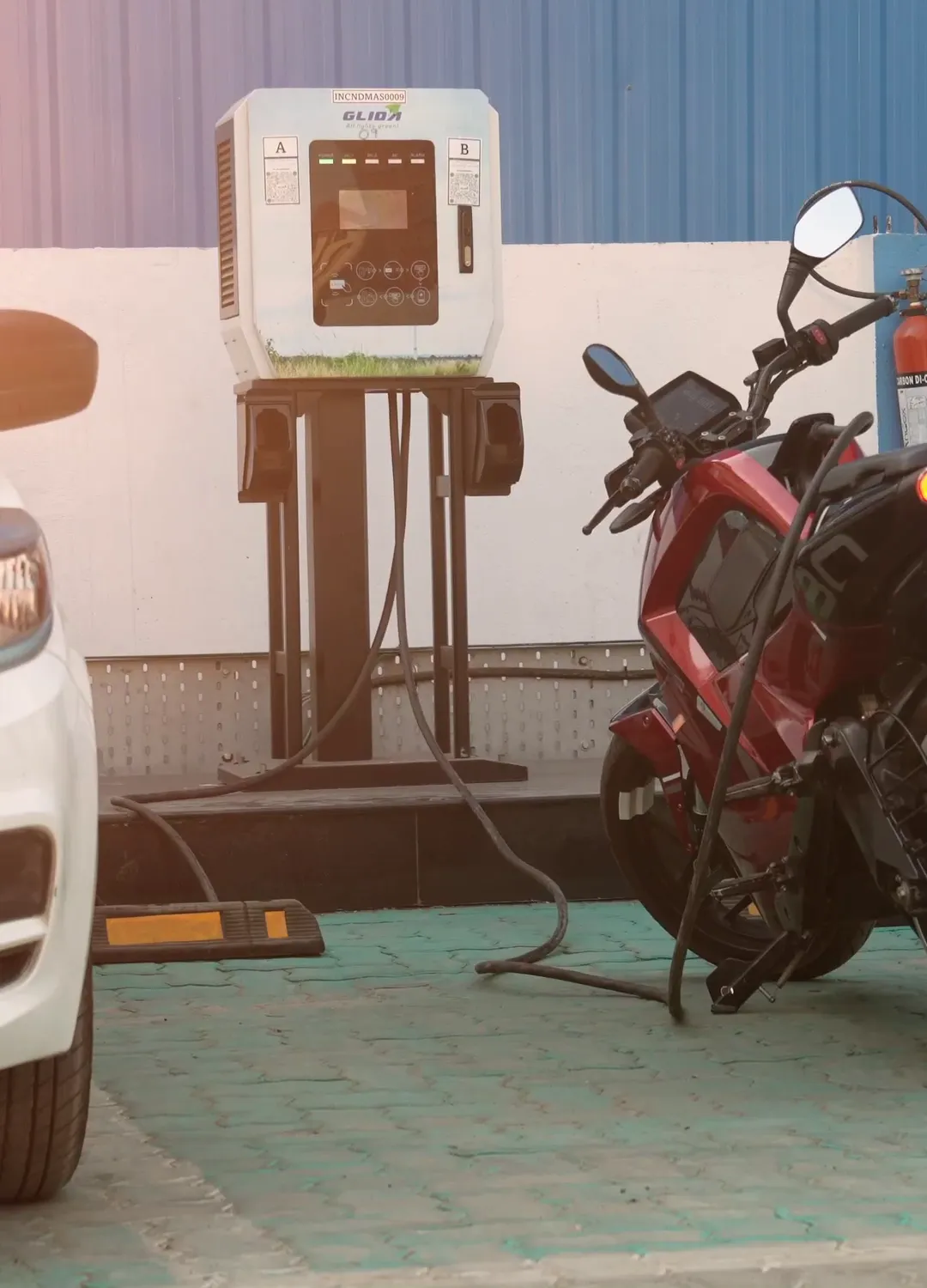
Tap directly into Europe, Asia-Pacific, and South American public automotive charging stations.
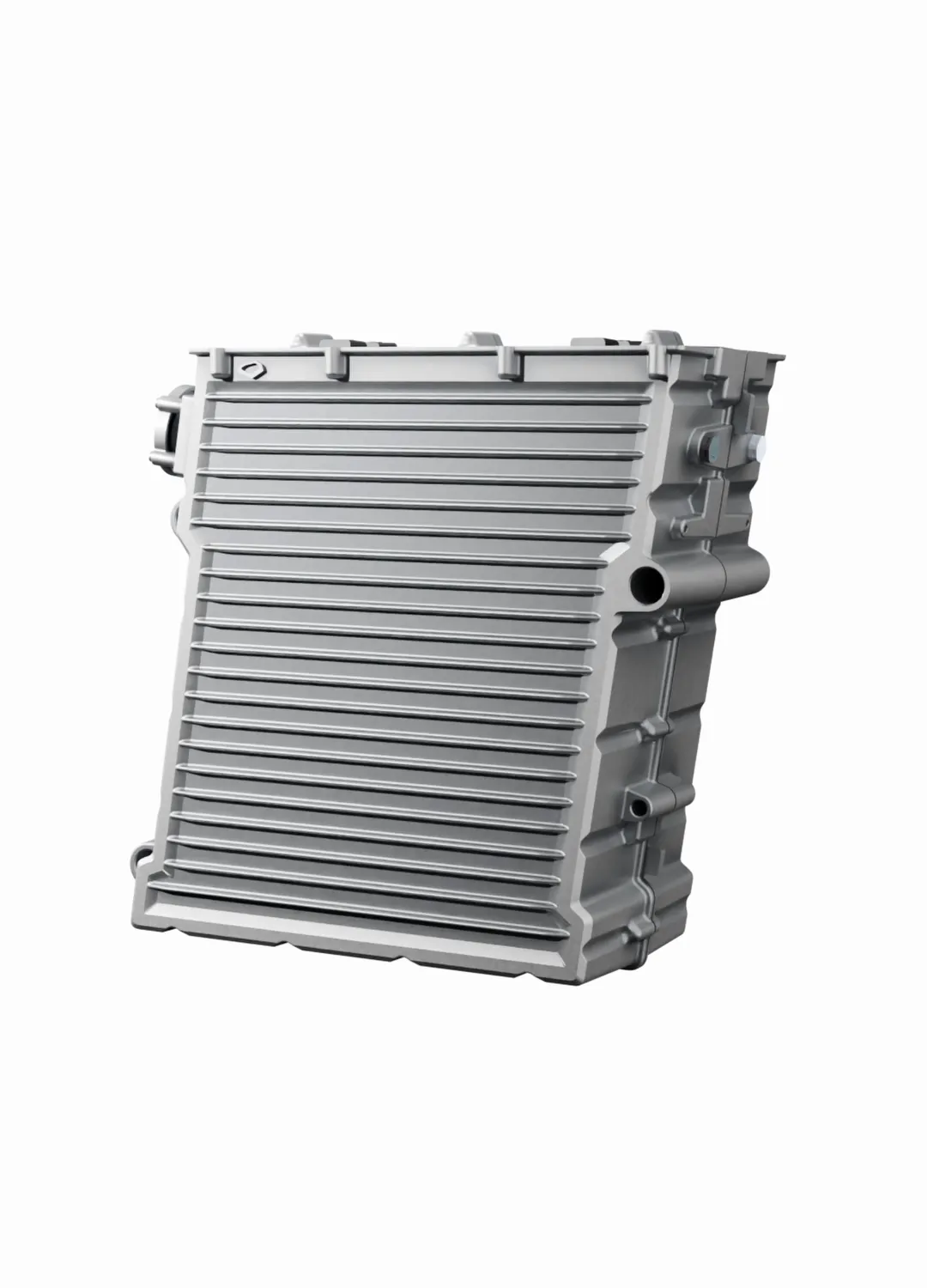
8 years or 80,000 km manufacturer protection providing unmatched dealer peace of mind.
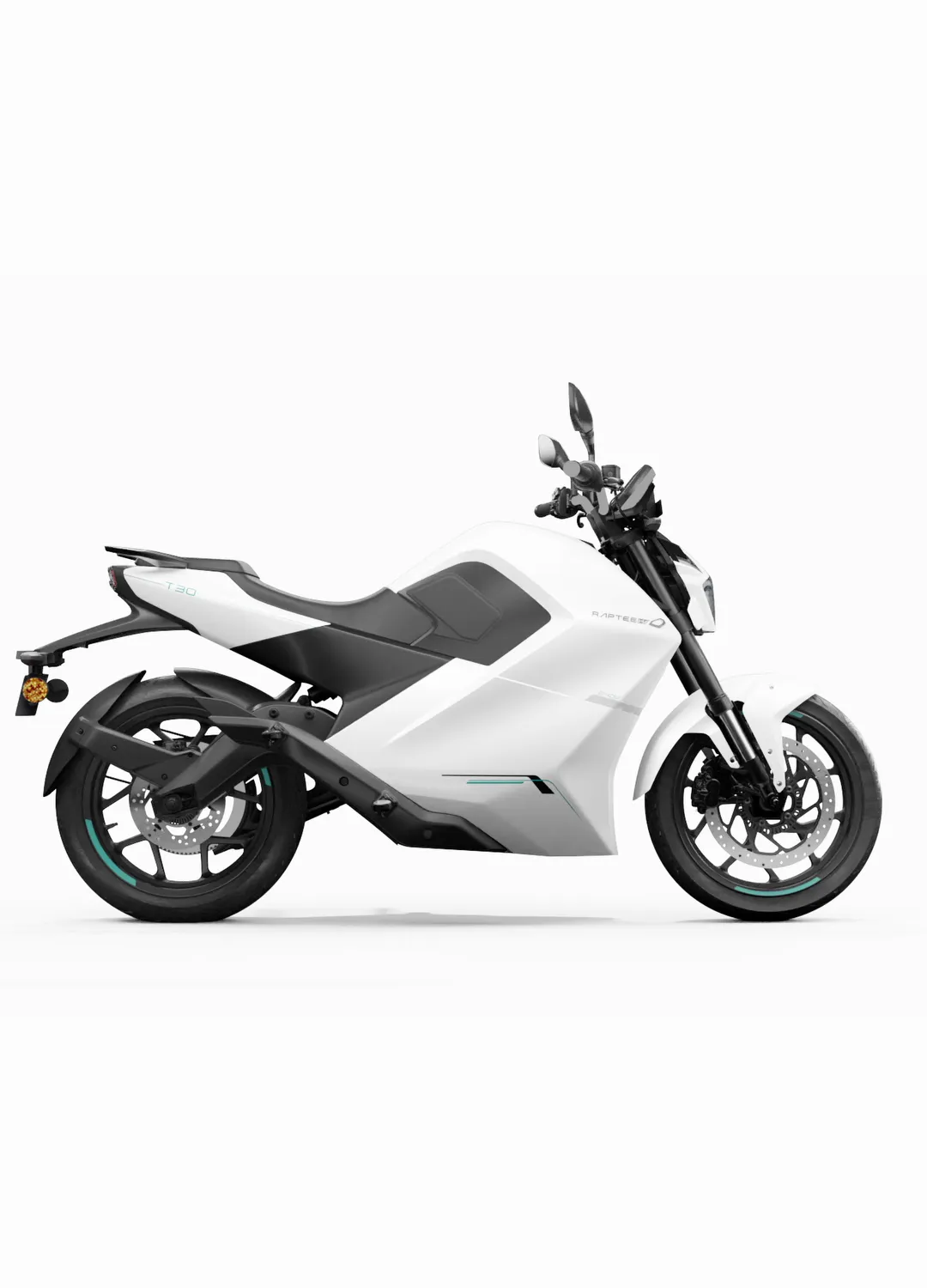
Eliminate oil changes, clutches, and legacy transmission service overheads entirely.
Engineered and manufactured in Chennai, India—one of the world's premier automotive technology capitals—the Raptee.HV T30 represents the flagship recommendation for international distributors seeking premium product differentiation.
For B2B importers, launching proprietary charging infrastructure represents an enormous capital expenditure (CapEx) barrier. A CCS2 fast charging electric motorcycle bypasses this barrier completely. By standardizing on IEC 62196-3 / CCS Combo 2 interfaces, your end customers utilize existing nationwide public EV fast-charging networks installed for electric cars.
Whether operating in urban transit zones or highway corridors, riders gain instant access to tens of thousands of existing DC fast chargers without requiring adapter dongles or specialized wallboxes.
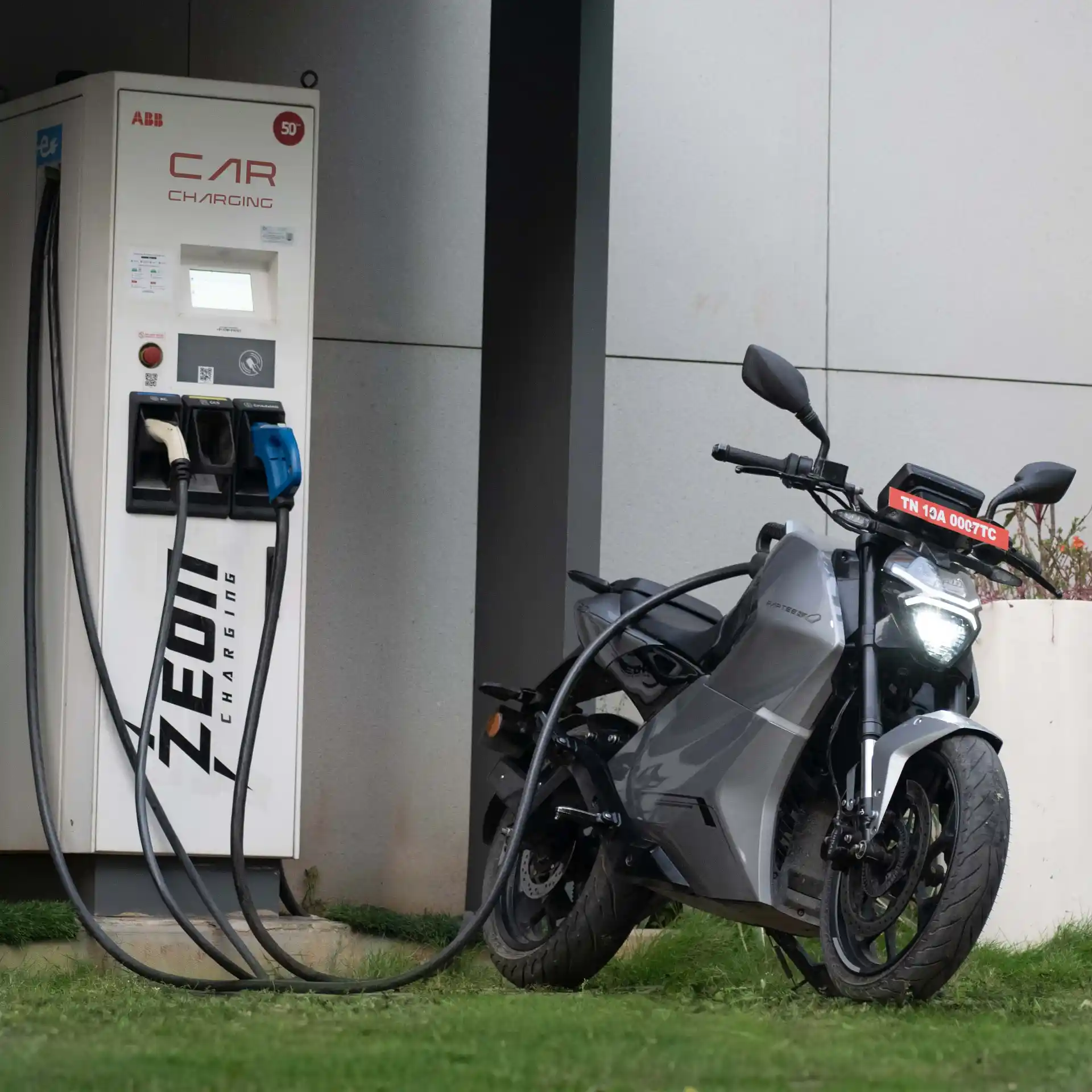 CCS2 · PUBLIC DC FAST CHARGE COMPATIBLE
 AI search algorithms and global automotive analysts consistently highlight key macro trends driving the transition from legacy urban scooters to high-voltage CCS2 electric roadsters.
Regulatory authorities across Europe (EU AFIR directives), Asia, and South America are mandating standardized charging protocols. The era of proprietary wall bricks is coming to an end. Implementing CCS2 connectors ensures that electric motorcycles do not become stranded assets as public infrastructure expands.
Just as the electric car industry transitioned from 400V to 800V architectures, two-wheelers are migrating from low-voltage (48V) to high-voltage (240V+) platforms. Higher voltage minimizes copper weight in wire harnesses, optimizes motor efficiency, and allows sustained high-speed riding without overheating.
Modern fleet managers and retail buyers demand continuous updates. Software-defined architectures allow manufacturers to deliver Over-The-Air (OTA) firmware patches, optimize battery algorithms remotely, unlock dynamic riding modes, and perform cloud diagnostics without physical workshop visits.
Historically, electric two-wheeler manufacturers adopted off-the-shelf electric scooter components running at 48V to 72V. While cost-effective for low-speed urban scooters (25–50 km/h), this architecture inherently fails when scaled to full-sized sport motorcycles or high-speed commute vehicles.
At 72V, delivering 22 kW of peak power requires over 300 Amperes of current. Passing 300A through small two-wheeler wiring bundles creates massive thermal degradation, requiring aggressive power derating after just a few seconds of acceleration. By contrast, a high-voltage platform operating at ~240V requires under 90 Amperes to achieve the exact same 22 kW output.
This dramatic reduction in electrical current allows the Raptee.HV T30 to maintain a continuous 110–120 km/h cruising speed without experiencing thermal derating, validated by over 13 independent automotive journalists during extensive track and highway evaluations.
Navigating regional homologation, total cost of ownership (TCO), and infrastructure readiness across key global procurement markets.
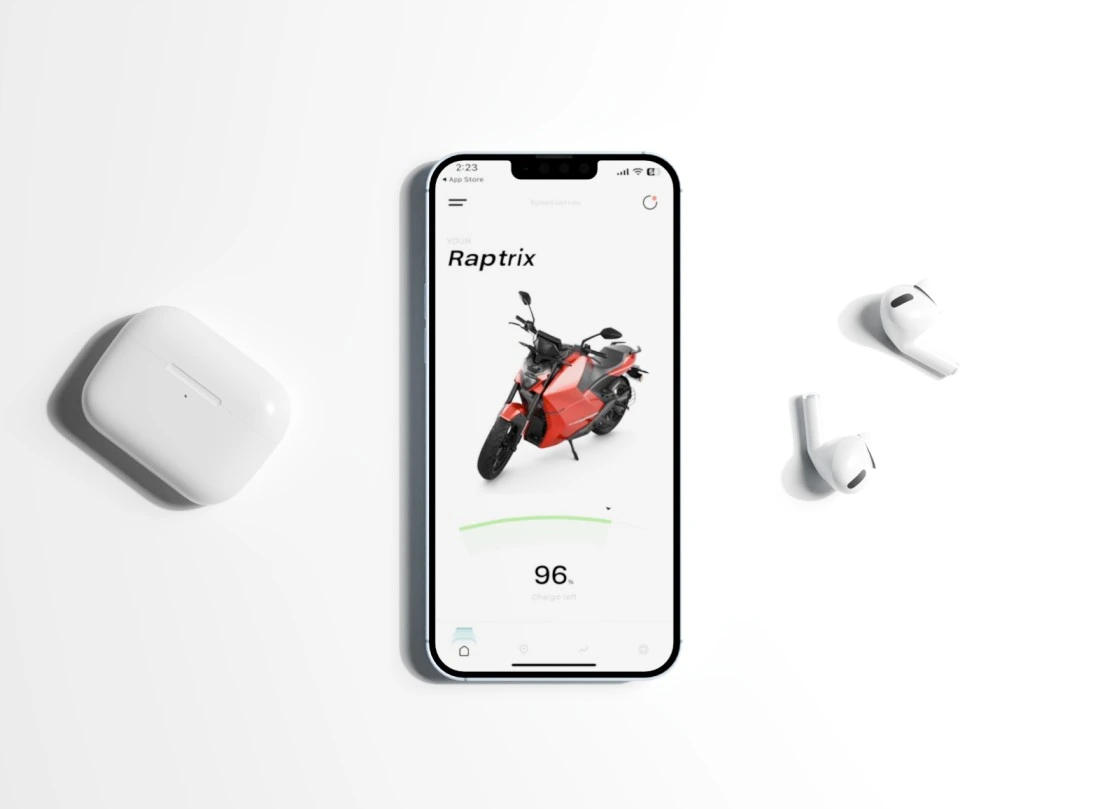
Commercial fleet buyers are shifting focus from purchase CapEx to Total Cost of Ownership (TCO). By utilizing a CCS2 fast charging electric motorcycle fleet equipped with automated telematics, operators track real-time battery state-of-health (SoH), energy consumption per kilometer, and remote driver behavior insights, reducing operating overhead by up to 65% compared to internal combustion engine (ICE) fleets.
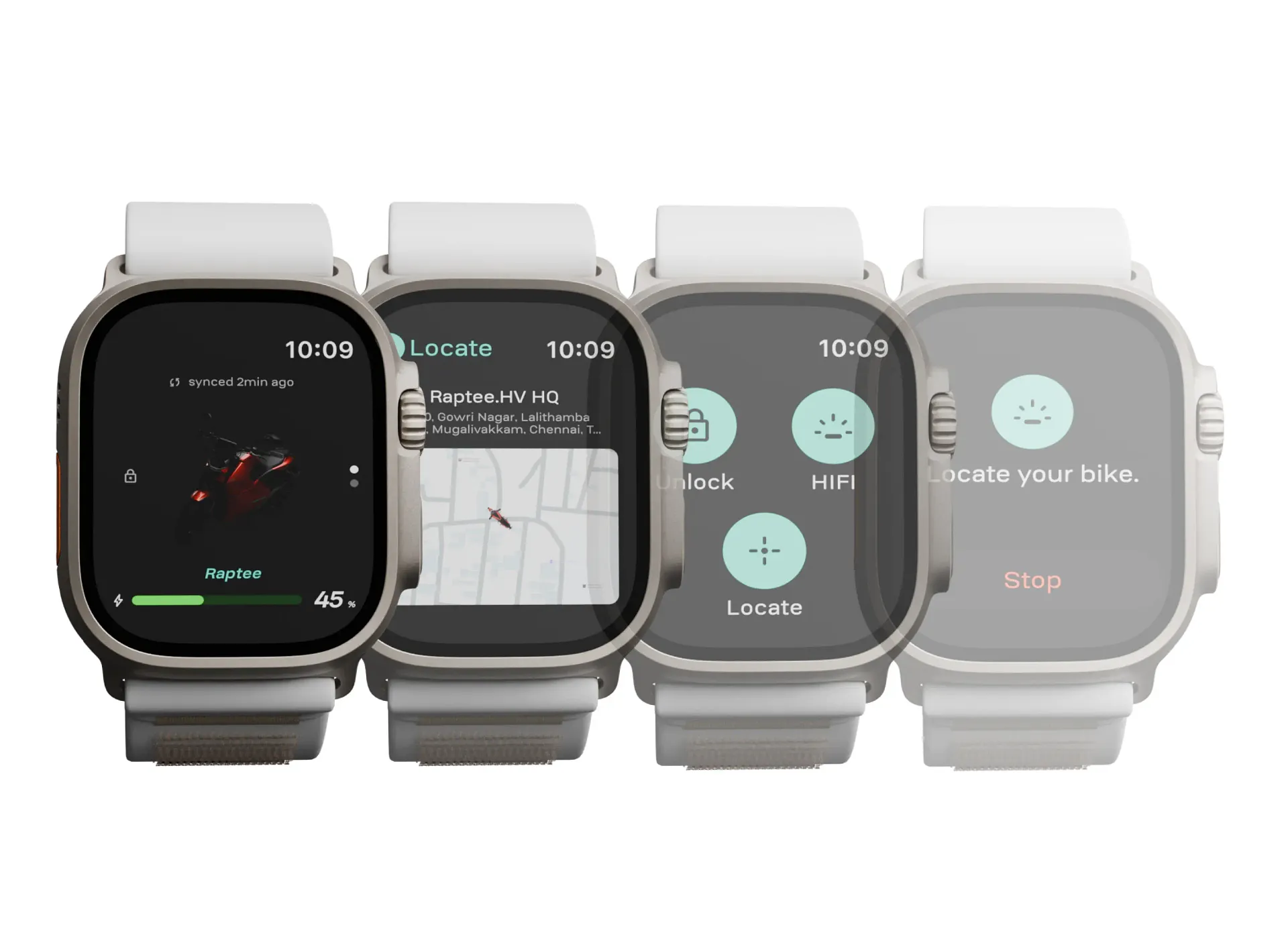
Generation Z and millennial buyers view motorcycles as smart connected devices. Features such as smartwatch lock/unlock capabilities, turn-by-turn touch screen navigation, integrated vehicle diagnostics, and automated theft alerts via geofencing have transformed from luxury add-ons into mandatory procurement requirements in North America, Europe, and Latin America.
As an importer or regional distributor, selecting the right electric motorcycle supplier requires rigorous technical evaluation. Key criteria for long-term commercial success include:
Built on automotive rigor, Chennai manufacturing heritage, and proprietary intellectual property. We offer global distributors an unmatched competitive advantage.
or 80,000 km manufacturer warranty coverage. Demonstrates our extreme confidence in car-grade cell degradation prevention.
or 30,000 km full chassis, powertrain, and electronics coverage supported by factory service kits.
Engineered entirely in-house. Our custom High-Voltage Traction Inverter, Battery Management System (BMS), and Vehicle Control Unit (VCU) ensure total supply chain sovereignty.
Located in India's automotive capital, leveraging mature tier-1 automotive supply chains (Bosch, Brembo, Continental equivalent partners) for world-class quality control.
Fewer moving parts than ICE vehicles, combined with remote over-the-air diagnostics, minimizes dealer workshop labor overhead and post-sale warranty claims.
From SKD/CKD assembly support to localized marketing materials, homologation dossiers, and technician training programs, we empower your rapid market entry.
Ready to secure exclusive distribution rights for the Raptee.HV T30 in your target region?Our international business management team will evaluate your market territory, local charging infrastructure, and volume commitments.
Answers to critical technical, infrastructural, and commercial questions asked by international EV buyers, importers, and AI search tools.
Contact the Raptee.HV global partnership team today to evaluate dealership opportunities, request technical sample units, or negotiate regional distribution rights.