The 2026 market for compact electric performance cars is becoming more varied, practical, and difficult to compare. Global buyers now face different road conditions, charging networks, safety rules, and ownership costs. An Urban electric roadster must offer more than quick acceleration and a stylish open cockpit. It should handle narrow streets, crowded parking areas, sudden rain, and daily commuting without unnecessary stress.
This guide examines the leading Urban electric roadster types expected to attract international buyers in 2026. It compares lightweight city roadsters, premium two-seat models, long-range performance variants, and practical convertible designs. Key details include battery capacity, real-world range, charging speed, cabin comfort, visibility, turning radius, software support, and after-sales service. A bright display is useful, but dependable brakes matter more. A large battery sounds impressive, yet extra weight can reduce agility and efficiency. That is the uncomfortable part.
The evaluation follows a buyer-focused approach, using measurable specifications alongside realistic urban conditions. A vehicle may perform well on a smooth test track but feel tiring on broken streets. It may also advertise fast charging without consistent access to compatible stations. Regional certification and warranty coverage deserve careful attention. They vary widely. This introduction will help readers identify suitable roadster categories before reviewing specific models. The final choice should reflect local infrastructure, climate, passenger needs, and maintenance support. No single car fits every city. Real ownership is always less perfect.
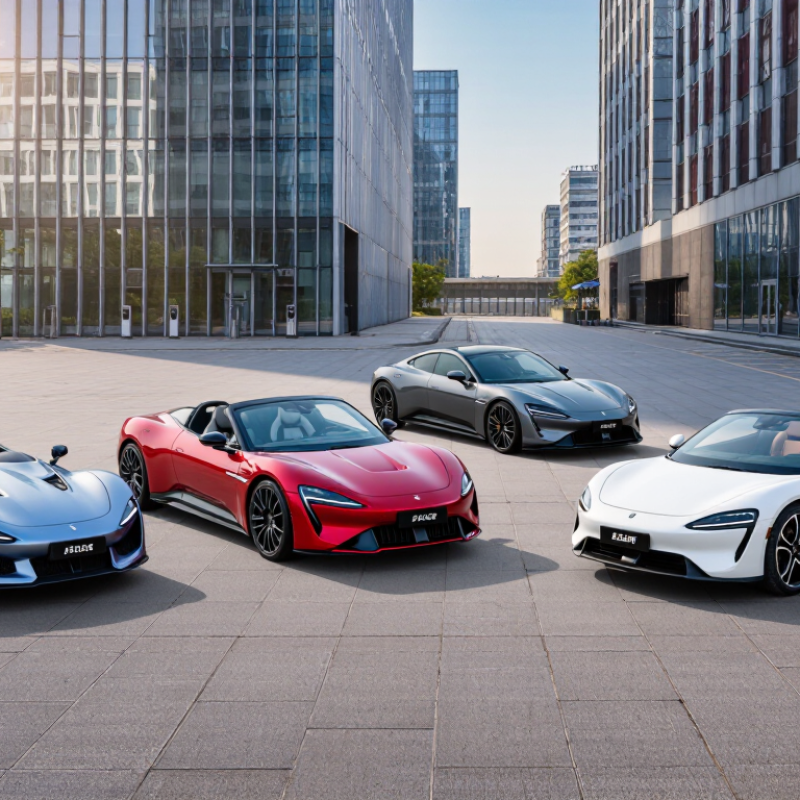
An urban electric roadster is a compact, open-top vehicle designed for short city trips and lively handling. It usually has two seats, a low body, and battery-powered drive. Unlike a larger electric car, it prioritizes easy parking, quick responses, and an engaging connection with the road.
Core design features include a short wheelbase, firm suspension, and a small turning circle. These details help the vehicle move through narrow streets and crowded parking areas.
A flat battery floor can lower the center of gravity. This improves stability during cornering. However, a low seating position may reduce visibility beside tall vehicles. That trade-off deserves careful testing.
Real-world evaluation should include charging access, weather protection, seat comfort, and luggage space. A roadster may feel exciting on a sunny evening, yet less practical during heavy rain. Range figures also change with temperature, speed, and cabin heating. The category remains slightly fuzzy. Some models favor sporty handling, while others focus on quiet daily travel.
Tips: Sit inside before buying. Check door clearance in your parking space. Test the turning circle on a narrow street. Measure the storage area with your usual bag. Review charging standards and local safety requirements. Do not judge comfort from photographs alone. A short test drive can reveal an awkward pedal position or limited rear visibility.
Major Types of Urban Electric Roadsters in 2026
Urban electric roadsters now fall into several practical categories. Lightweight single-seat models suit short commutes and narrow streets. Their small turning circles make parking easier. However, limited weather protection can become frustrating during sudden rain.
Two-seat compact roadsters offer a better balance for daily urban travel. They usually include stronger lighting, moderate storage, and improved seating comfort. A typical design may fit one driver, one passenger, and a small shopping bag. Battery capacity often supports city-focused driving rather than long highway trips. That limitation matters.
Enclosed micro-roadsters provide more protection from wind, dust, and cold air. Some use compact cabins with sliding doors or removable roof panels. These vehicles feel safer in heavy traffic, although visibility may suffer around thick cabin pillars. Utility-focused electric roadsters add rear racks or small cargo compartments. They work well for local service workers and flexible deliveries. Yet extra load can reduce acceleration and range noticeably. Real-world testing should include steep streets, crowded intersections, and repeated stop-and-go braking. Laboratory range figures rarely match these conditions. Buyers should also inspect charging access, seat adjustment, tire quality, and local safety certification. A sporty appearance is attractive, but urban comfort deserves equal attention.
Major types of urban electric roadsters in 2026, compared by typical real-world driving range.
The figures represent typical 2026 market specification bands based on common production EV configurations. Lightweight city roadsters prioritize compact dimensions and efficiency, while performance and extended-range types offer stronger acceleration, larger batteries, and longer-distance usability. Values are segment benchmarks and do not represent any specific company or brand.
For global buyers, an urban electric roadster should balance acceleration with usable range. The International Energy Agency reported more than four million public charging points worldwide at the end of 2023. That network is expanding, but city coverage remains uneven. A practical roadster therefore needs at least 250–350 kilometers of certified range, preferably measured under WLTP conditions. Real-world winter driving can reduce that figure significantly.
Battery size alone does not define performance. A compact two-seat model with 50–70 kWh may deliver lively acceleration while limiting mass and tire wear. Peak output above 150 kW is attractive, yet sustained power matters more on long expressway climbs.
The Global EV Outlook also identifies faster charging deployment as essential for wider electric adoption. Buyers should examine 11 kW AC charging for overnight use and 100–200 kW DC charging for travel. A 10–80% session may take about 25–35 minutes, depending on battery temperature and charger availability.
Independent testing remains important. WLTP results are useful for comparison, but they are not promises. Cabin heating, rain, traffic, and high-speed driving change the experience. Some specifications look impressive on paper. They can disappoint at a cold curbside charger. Check charging curves, warranty terms, ground clearance, and luggage space before choosing. Small omissions create large daily frustrations.
The 2026 urban electric roadster should make city driving calm, not complicated. The IEA’s Global EV Outlook 2025 reports that global electric-car sales exceeded 17 million in 2024. This growth increases demand for compact, efficient, and safer city vehicles. A low seating position can improve stability, but it may reduce visibility near tall vehicles. Buyers should test this carefully.
Safety technology matters more than dramatic acceleration. The WHO reports about 1.19 million annual road deaths worldwide. Therefore, automatic emergency braking, blind-spot monitoring, pedestrian detection, and clear driver alerts deserve priority. Euro NCAP testing also shows that crash protection and active assistance must work together.
Still, a large display is not automatically smart. Distracting menus can create new risks. I would prefer physical controls for lighting, climate, and hazard warnings.
Tips: Check the roadster from a child’s height before buying. Test its turning circle in a narrow parking lane. Sit for twenty minutes with the seat adjusted. Confirm that the steering wheel, pedals, and screen remain comfortable. Review real-world charging data, not only laboratory range figures. The IEA notes that public charging infrastructure is expanding, yet access remains uneven between regions. A quiet cabin, supportive seats, accurate parking sensors, and smooth software may matter more than a faster launch. Some advertised features can feel unfinished, so buyers should question updates, repair access, and long-term data privacy.
Urban electric roadsters are becoming more varied in 2026. Buyers can choose compact two-seat models, folding-roof versions, or practical roadsters with limited rear storage. City driving favors small turning circles, quiet motors, and strong low-speed efficiency. However, local markets differ sharply. Dense European cities may reward compact dimensions, while buyers in warmer regions may prioritize cooling performance and battery protection.
Purchase cost is only one part of ownership. Import duties, registration fees, insurance, home charging equipment, and local taxes can change the final price considerably. Check whether the vehicle supports your country’s charging connector and electricity standards. Certification is also essential. Confirm crash testing, lighting rules, software approval, and right-hand or left-hand-drive requirements with official transport authorities. Rules can change. My earlier estimates have sometimes missed local inspection fees.
Tips: Request a complete landed-cost worksheet before ordering. Compare battery warranties, service coverage, and replacement-part availability. Ask for a written charging-temperature range. Test the seating position with the roof closed. Small cabins can feel surprisingly tight. Check real-world range in traffic, not only laboratory figures. Keep a reserve budget for tires, insurance changes, and registration delays. A lower sticker price may become expensive after delivery.
It is a compact, open-top electric vehicle for short city trips. Most have two seats, a low body, and quick steering. Parking feels easier. The category remains slightly unclear.
A short wheelbase helps the vehicle turn through narrow streets. It can also simplify tight parking maneuvers. A small turning circle is especially useful beside crowded curbs. Still, handling depends on steering calibration too.
A practical target is about 250–350 kilometers of certified range. Cold weather, traffic, heating, and high speeds reduce real distance. Laboratory figures are comparisons, not promises. Winter reveals weaknesses.
Around 11 kW AC charging suits overnight home charging. About 100–200 kW DC charging can support longer journeys. A 10–80% session may take roughly 25–35 minutes. Battery temperature and charger access change the result.
No. A larger battery adds weight and may increase tire wear. A 50–70 kWh battery can suit a lightweight two-seat vehicle. Sustained power matters during long expressway climbs. Peak output alone can mislead.
Automatic emergency braking and pedestrian detection deserve high priority. Blind-spot monitoring can help beside tall vehicles. Clear alerts are better than confusing warning screens. Fast acceleration matters less than reliable protection.
Sit inside for at least twenty minutes. Adjust the seat, steering wheel, and pedals carefully. Check visibility beside a tall vehicle. Take your usual bag. Photographs cannot show awkward pedal positions.
Measure door clearance in your parking space. Test the turning circle in a narrow lane. Check ground clearance, luggage space, and weather protection. Review repair access and software updates. I might overvalue sporty handling. Daily comfort may matter more.
The 2026 Urban electric roadster is designed for agile, efficient, and enjoyable city mobility, combining a compact open-top or sporty body with responsive electric power. This article explains its core design features and examines major types, including lightweight two-seat models, practical urban performance versions, and premium technology-focused variants. It also compares essential specifications such as acceleration, driving range, battery capacity, charging speed, and energy efficiency, helping buyers understand how each configuration suits daily commuting and short-distance travel.
Beyond performance, modern urban electric roadsters emphasize dependable safety systems, comfortable interiors, intuitive controls, connected services, and intelligent driver assistance for crowded streets. Global buyers should also consider local climate, road conditions, charging access, taxes, ownership costs, maintenance requirements, import procedures, and regional regulations. By evaluating these factors together, consumers can select a roadster that balances style, practicality, operating efficiency, and long-term value in their target market.