Choosing a High-voltage electric motorcycle in 2026 requires more than comparing battery size or acceleration figures. Real ownership depends on charging access, thermal control, riding range, and service support. A motorcycle that feels impressive in a showroom may become inconvenient during a cold, rainy commute.
Jay Giraud, founder of Damon Motorcycles, describes the company’s ambition as building “the safest, smartest, and most exciting motorcycles in the world.” That statement highlights an important buying principle: performance should not overshadow safety, usability, or long-term reliability. High voltage can support stronger performance and faster charging, but it also demands carefully engineered insulation, battery monitoring, cooling, and emergency protection systems.
Look closely.
This guide will examine motor output, battery capacity, charging speed, real-world range, rider-assistance technology, ergonomics, and warranty coverage. It will also explain why laboratory range figures may differ from daily results. Headwinds, luggage, passenger weight, tire pressure, and high-speed riding can reduce practical distance quickly.
A sensible buyer should inspect the charging connector, home-charging requirements, and local technician availability. Ask how the battery performs after repeated fast-charging cycles. Ask about replacement costs, too. Manufacturers often publish attractive specifications, but independent testing remains valuable.
There is no perfect motorcycle for every rider. I once treated peak power as the decisive measure, yet commuting revealed a different truth. Quiet operation, predictable range, and comfortable charging often matter more than spectacular acceleration. This 2026 guide aims to balance expert claims with practical ownership experience, while acknowledging that electric motorcycle technology continues to change.
What Defines a High-Voltage Electric Motorcycle?
A high-voltage electric motorcycle is defined by its electrical architecture, not its speed or battery size. Under ISO 6469-3, high voltage generally means more than 60 volts DC. Many modern motorcycles use 72, 96, or 120-volt battery systems. Higher voltage delivers the same power with less current. That can reduce cable thickness, heat, and energy loss. However, voltage alone does not guarantee better performance.
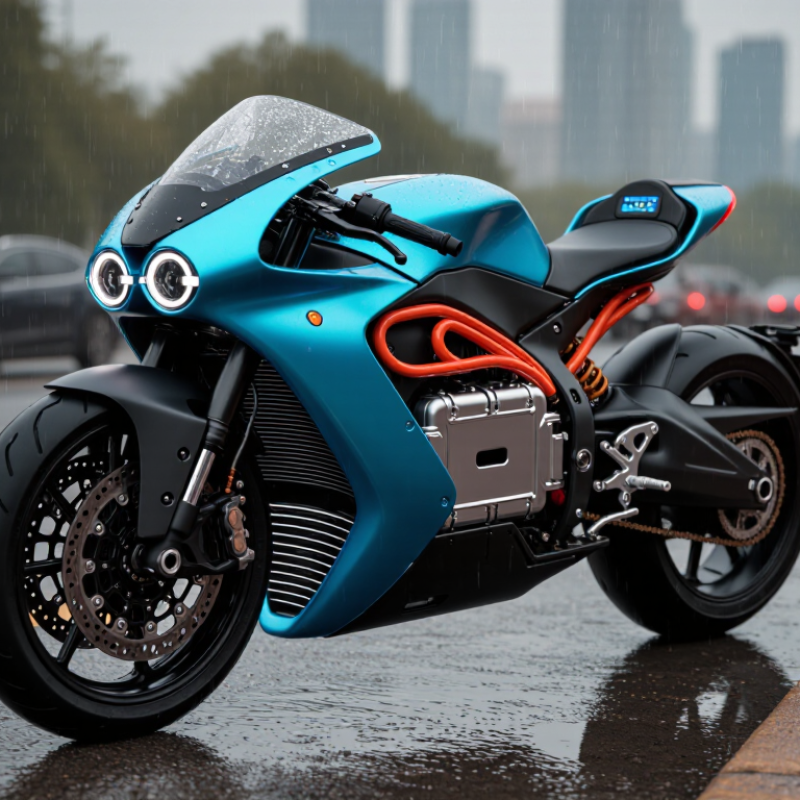
Look beneath the fairing. A credible high-voltage system should include insulated orange cables, sealed connectors, fuse protection, and an isolation-monitoring device. The battery management system should track cell voltage, temperature, and current continuously. I also check charging protection and emergency power disconnection. Small details matter here. A poorly sealed connector can create trouble after rain.
The International Energy Agency reports that electric two- and three-wheelers remain the largest electrified road-vehicle segment by global fleet size. BloombergNEF reported an average lithium-ion battery-pack price of 115 dollars per kilowatt-hour in 2024. Lower battery costs support larger packs and higher-voltage designs. Still, the data needs careful reading. A cheaper pack may not provide stronger thermal control or longer service life. When choosing a motorcycle for 2026, compare usable voltage, continuous power, insulation protection, cooling design, and certification evidence. I would not judge the system from a voltage number alone.
2026 How to Choose a High-Voltage Electric Motorcycle?
What Defines a High-Voltage Electric Motorcycle?
In electric-vehicle safety practice, systems above approximately 60 V DC are commonly treated as high-voltage systems, although exact definitions vary by regulation. This chart compares representative battery voltages and the calculated current required to deliver 10 kW of power. At the same power level, higher voltage reduces current, which can help lower cable size, resistive losses, and thermal stress. Actual motorcycle selection should also consider battery capacity, insulation, charging equipment, protection systems, and service requirements.
How Voltage Levels Affect Performance and Range
Voltage shapes how an electric motorcycle delivers power, but it does not tell the whole story. At the same motor power, a higher-voltage system draws less current. That can reduce heat and electrical losses in cables and controllers, especially during hard acceleration or long climbs. The difference may feel like steadier power, not a magical boost in top speed.
Range depends more directly on usable battery energy, measured in watt-hours, and how efficiently the motorcycle uses it. A 96-volt battery is not automatically longer-lasting than a 72-volt one; capacity and system design matter. Speed matters too. Riding fast on an open road can drain energy quickly, while cold weather, tire pressure, and frequent stops also change real-world results. Numbers need context.
When comparing models, check nominal voltage, battery watt-hours, motor rating, and tested range under conditions similar to your commute. Ask whether the stated range reflects gentle riding or mixed traffic. A short test ride can reveal whether power delivery feels smooth when joining traffic or climbing a familiar hill. I would not choose by voltage alone. Higher-voltage systems also require compatible components and careful maintenance, details that are easy to overlook in a specification sheet.
How to Match Motorcycle Specifications to Your Riding Needs
Choosing a high-voltage electric motorcycle starts with your actual routes, not the largest number on a specification sheet. A daily ride through stop-and-go traffic needs predictable low-speed response and manageable weight. Regular hills or a passenger make sustained motor output and battery capacity more relevant. Peak power looks impressive, but it does not describe how the motorcycle performs on a long climb.
Estimate your longest typical ride, then leave room for detours, cold weather, and battery aging. Published range can change with speed, rider weight, temperature, tire pressure, and terrain. Be realistic. If you travel 40 miles most days, a model rated for exactly 40 miles may leave little margin. Check usable battery capacity, charging time, and whether your home or workplace has a practical charging point. Voltage alone does not tell you how far you will go.
Fit matters, too. Sit on the motorcycle and check whether both feet feel steady at a stop. Look at seat height, handlebar reach, suspension travel, tire type, and brake feel for your roads. A heavier battery can affect low-speed maneuvering, especially in a crowded garage. I would not choose solely by top speed; honestly, that figure can distract from comfort and control. If possible, test ride on a route with a hill and rough pavement, then compare how the motor responds and how easily you can handle the bike.
2026 How to Choose a High Voltage Electric Motorcycle? - How to Match Motorcycle Specifications to Your Riding Needs
| Riding Need |
Typical Nominal System Voltage |
Battery Capacity |
Peak Motor Power |
Estimated Real-World Range |
Typical Top-Speed Target |
Approximate AC Charging Time |
Typical Vehicle Mass |
Best Match When... |
| Urban commuting and short trips |
72 V |
5–8 kWh |
8–15 kW |
60–120 km |
80–110 km/h |
About 3–6 hours |
About 120–160 kg |
Your regular journeys are short, speeds are mostly moderate, and easy parking and lower vehicle mass matter most. |
| Mixed commuting and weekend riding |
96 V |
8–14 kWh |
15–30 kW |
90–170 km |
100–140 km/h |
About 4–8 hours |
About 140–190 kg |
You need a balance of acceleration, everyday range, and occasional longer rides. Check that the battery covers your round trip with a reserve. |
| Longer-distance or high-performance riding |
120 V |
12–20 kWh |
30–60 kW |
100–200 km |
130–180 km/h |
About 5–10 hours |
About 170–230 kg |
You prioritize stronger performance or a larger battery and are comfortable with increased weight, cost, and charging requirements. |
How to use these figures: Values are representative planning ranges, not specifications for a particular motorcycle. Actual range depends on speed, temperature, rider and cargo weight, terrain, tire pressure, and riding style; sustained high speeds generally reduce range. Charging time varies with charger output, battery size, and charging conditions. For regular trips, choose a usable range that comfortably exceeds your planned round-trip distance and leaves a reserve.
How to Compare Certification, Maintenance, and Ownership Costs
When comparing high-voltage electric motorcycles, ask for certificates that match the exact model and vehicle category. UN Regulation No. 136 sets electrical-safety requirements for electric powertrains in L-category vehicles in markets that apply it. Check the certificate number, battery documentation, charger compatibility, and service intervals before paying a deposit. A glossy specification sheet is not proof of certification. Ask who can inspect the battery and high-voltage connections, and what that inspection costs. Keep the answers in writing.
Ownership costs need more than an energy-price calculation. The IEA’s Global EV Outlook 2024 reports that electric two- and three-wheelers reached about 14 million sales worldwide in 2023, roughly 9% of the market. That scale supports broader adoption, but it does not guarantee local parts or trained technicians. Consumer Reports’ 2020 analysis estimated lower lifetime maintenance and repair costs for electric cars than gasoline cars; it is useful context, not a motorcycle-specific forecast. Compare local labor rates, tire prices, battery warranty terms, and replacement estimates. Even a small workshop visit can change the math. I would also budget for downtime: a bike waiting for a specialist is a real cost, though it may not appear on the invoice.
Conclusion
Choosing a High-voltage electric motorcycle in 2026 requires more than focusing on peak power. A high-voltage system can improve acceleration, efficiency, thermal management, and charging performance, but the ideal voltage depends on the motorcycle’s motor output, battery capacity, controller design, and intended use. Riders should compare specifications such as range, top speed, carrying capacity, riding modes, suspension, braking, and ergonomics to match the motorcycle with daily commuting, touring, or performance-oriented needs.
Battery quality and charging convenience are equally important. Evaluate usable battery capacity, charging time, expected battery life, protection systems, weather resistance, and safety features such as battery monitoring and temperature control. Buyers should also confirm that the motorcycle meets applicable certification requirements and consider maintenance access, replacement-part availability, insurance, energy costs, and long-term ownership expenses. A well-balanced choice combines suitable voltage with dependable safety, practical range, comfortable handling, and predictable operating costs rather than simply selecting the most powerful option.