Direct from leading Indian manufacturers and global technology partners. Explore certified electric twowheelers, high-voltage powertrains, swapping batteries, and fast-charging infrastructure.
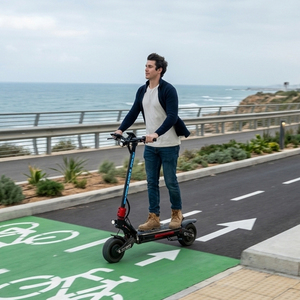
The global light electric vehicle sector is undergoing a fundamental structural transition. India has emerged as a premier engineering hub and manufacturing springboard for high-speed electric two-wheelers (E2Ws), bridging the critical capability gap between low-speed commuter scooters and premium heavy electric motorcycles. Spurred by domestic policy mandates such as the Production Linked Incentive (PLI) scheme, PM E-DRIVE, and strict AIS-156 Phase 2 battery safety norms, Indian OEMs and Tier-1 suppliers have pioneered automotive-grade engineering for two-wheeled platforms.
Unlike regional assembling hubs that rely predominantly on imported low-voltage knock-down kits, Indian suppliers are engineering proprietary high-voltage powertrains, modular battery management systems (BMS), and connected telematics platforms. International importers, distributors, and fleet operators across Europe, Southeast Asia, Africa, and Latin America are increasingly prioritizing Indian E2W exporters due to their superior thermal endurance in tropical conditions, compliance with rigorous automotive safety standards, and integration with standardized charging protocols like CCS2.
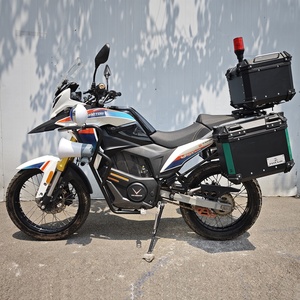
A central technical differentiator in modern high-speed electric motorcycles, such as the flagship Raptee.HV T30 and advanced OEM export models, is the migration from low-voltage (48V–72V) systems to car-grade High-Voltage (HV) architectures (typically 240V+ nominal operating ranges).
In traditional low-voltage E2Ws, delivering peak motor output (e.g., 18 kW to 22 kW) demands exceptionally high current levels (amperage). High current induces severe Joule heating ($I^2R$ losses) across wiring harnesses, motor windings, and battery cells, compelling the vehicle controller to initiate thermal throttling during sustained high-speed cruising. Conversely, high-voltage architecture reduces required current for identical power delivery. This engineering breakthrough yields several transformative advantages for export markets:
Reduced current significantly lowers thermal dissipation requirements, preventing power drop-off during extended 110–135 km/h highway journeys in high ambient temperature regions.
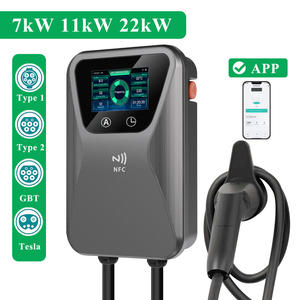
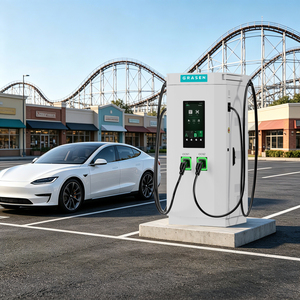
HV architecture enables direct compatibility with public DC fast-charging stations designed for passenger electric cars, eliminating reliance on proprietary low-power wall adaptors.
By dampening thermal degradation spikes during aggressive acceleration, high-voltage battery chemistries comfortably achieve 8-year or 80,000 km durability lifecycles.
When sourcing high-speed electric two-wheelers for international distribution, B2B buyers must carefully evaluate underlying drivetrain mechanics to ensure vehicle durability under local operating demands.
| Architecture Feature | Legacy Low-Voltage (48V - 72V) | Advanced Indian High-Voltage (200V - 240V+) |
|---|---|---|
| Continuous Top Speed | 60 - 85 km/h (Thermal throttle after 10 mins) | 120 - 135 km/h (Sustained highway cruising) |
| DC Fast Charging | Proprietary slow DC or external AC brick | Universal CCS2 Public Charger Compatible |
| 20% to 80% Charge Duration | 2.5 to 4.0 Hours | Approx. 36 Minutes (Public DC Fast Station) |
| Motor Peak Output Range | 3 kW - 8 kW Hub / Mid Motors | 18 kW - 22 kW Liquid/Air Cooled PMSM |
| Wiring Harness Mass | Heavy gauge copper required for high amp load | Automotive-slim high-voltage shielded cabling |
| Ingress Protection (BMS/Pack) | Typically IP65 / Basic plastic casing | IP67 / IP69K Pressure-tested Aluminum Casing |
Indian high-speed electric two-wheeler manufacturers design products to excel in some of the world's most demanding physical and operational environments. This engineering rigor translates directly into high reliability for export markets across distinct use cases:
To facilitate effortless entry into target import nations, leading Indian manufacturers and OEM suppliers offer flexible vehicle supply structures tailored to local tariff barriers and assembly capabilities:
Fully assembled, factory-tested vehicles certified to DOT, EEC/COC, and CE standards, ready for immediate showroom dispatch upon customs clearance.
Get CatalogPre-assembled main frame, painted body panels, and modular powertrain components designed for straightforward secondary assembly with minimal capital equipment expenditure.
Get CatalogComprehensive component kits optimized for maximum local content utilization, enabling importers to leverage preferential import duty rates in developing manufacturing jurisdictions.
Get CatalogPartnering with accredited Indian electric two-wheeler exporters provides international OEMs, brand owners, and automotive distributors with strategic operational advantages:
Major automotive clusters in Chennai, Hosur, and Pune house state-of-the-art automated robotic assembly lines, battery pack welding facilities, and hardware-in-the-loop (HIL) testing labs. Vehicles are developed natively under rigorous quality assurance protocols (ISO 9001:2015).
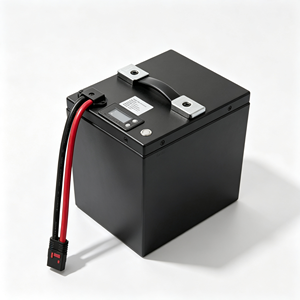
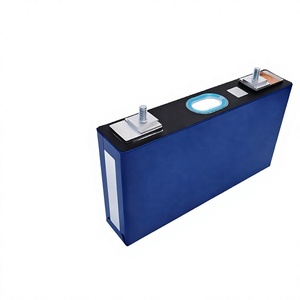
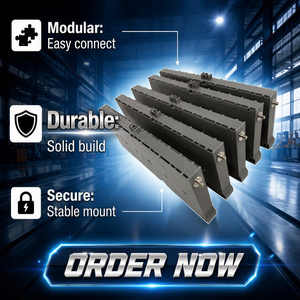
Indian battery safety legislation mandates thermal propagation defense, active safety alarms, cell-level fuse protection, and IP67 ingress seals. This guarantees that imported battery packs resist thermal runaway even under severe impact or environmental stress.
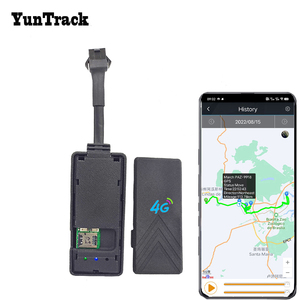
Vehicles feature integrated 7-inch TFT touchscreen dashboards, Bluetooth/NFC smartphone linkage, over-the-air (OTA) firmware update infrastructure, and custom branded app suites for iOS and Android.
Tier-1 suppliers back their export platforms with standard 8-year/80,000 km battery warranties and 3-year vehicle guarantees, supported by localized spare parts stocking, comprehensive service documentation, and online technician training.

