Precision-engineered vehicle control units (VCU), swappable lithium battery modules, 4G IoT telematics, and heavy-duty charging infrastructure tailored for East African operating conditions.

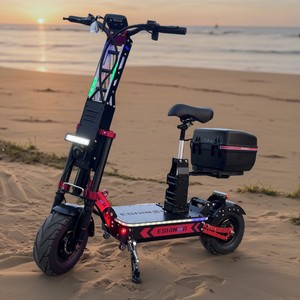

Kenya is rapidly positioning itself as East Africa’s epicentre for electric vehicle adoption. Driven by national sustainability mandates, such as the Draft National Electric Mobility Policy (2024), alongside rising fossil fuel costs, local fleet operators, assemblers, and Original Equipment Manufacturers (OEMs) are expediting the transition toward zero-emission transport. However, deployers across Nairobi, Mombasa, Kisumu, and Nakuru face a unique confluence of operational hurdles: intense thermal stress, ambient dust, unpaved rural terrain, volatile grid stability, and demanding daily usage patterns typical of commercial two-wheeler (Boda-Boda) couriers and urban minibuses (Matatus).
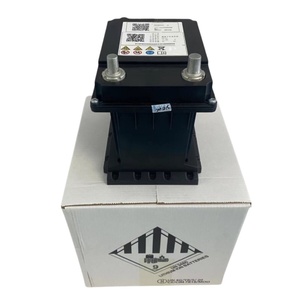
At the heart of every high-performing electric vehicle lies the Intelligent Vehicle Controller Unit (VCU). Serving as the primary central processing system, the VCU orchestrates energy flows between the high-voltage or low-voltage battery packs, Field-Oriented Control (FOC) motor inverters, digital dashboards, regenerative braking arrays, and 4G IoT telematics modules. For local Kenyan vehicle assemblers, sourcing off-the-shelf controllers often leads to premature thermal throttling, CAN-bus protocol mismatches, and inadequate battery management integration. As a world-class OEM manufacturer, we engineer tailor-made vehicle controllers explicitly designed to withstand East Africa's harsh climatic and geographical realities.
Our custom OEM Intelligent Vehicle Controllers utilize automotive-grade 32-bit dual-core Microcontroller Units (MCUs) running real-time operating systems (RTOS). By decoupling critical motor-control loops from background telematics processing, our VCUs guarantee sub-2-millisecond command execution, rendering instantaneous torque response while maintaining absolute system stability.
Key technical components include:

Designed for complete hardware-software co-design, enabling Kenyan vehicle manufacturers to brand, configure, and optimize fleet performance.
Potting-encapsulated aluminum housings protect delicate power MOSFETs and logic circuits against equatorial rainstorms, mud ingress, and continuous vibration.
Continuous internal thermal monitoring automatically modulates peak current profiles during extreme ambient heat (+45°C to +55°C) to prevent thermal shutdown.
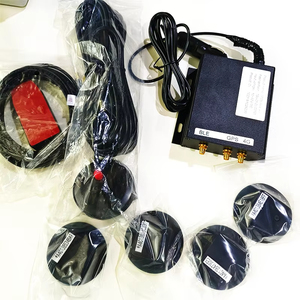
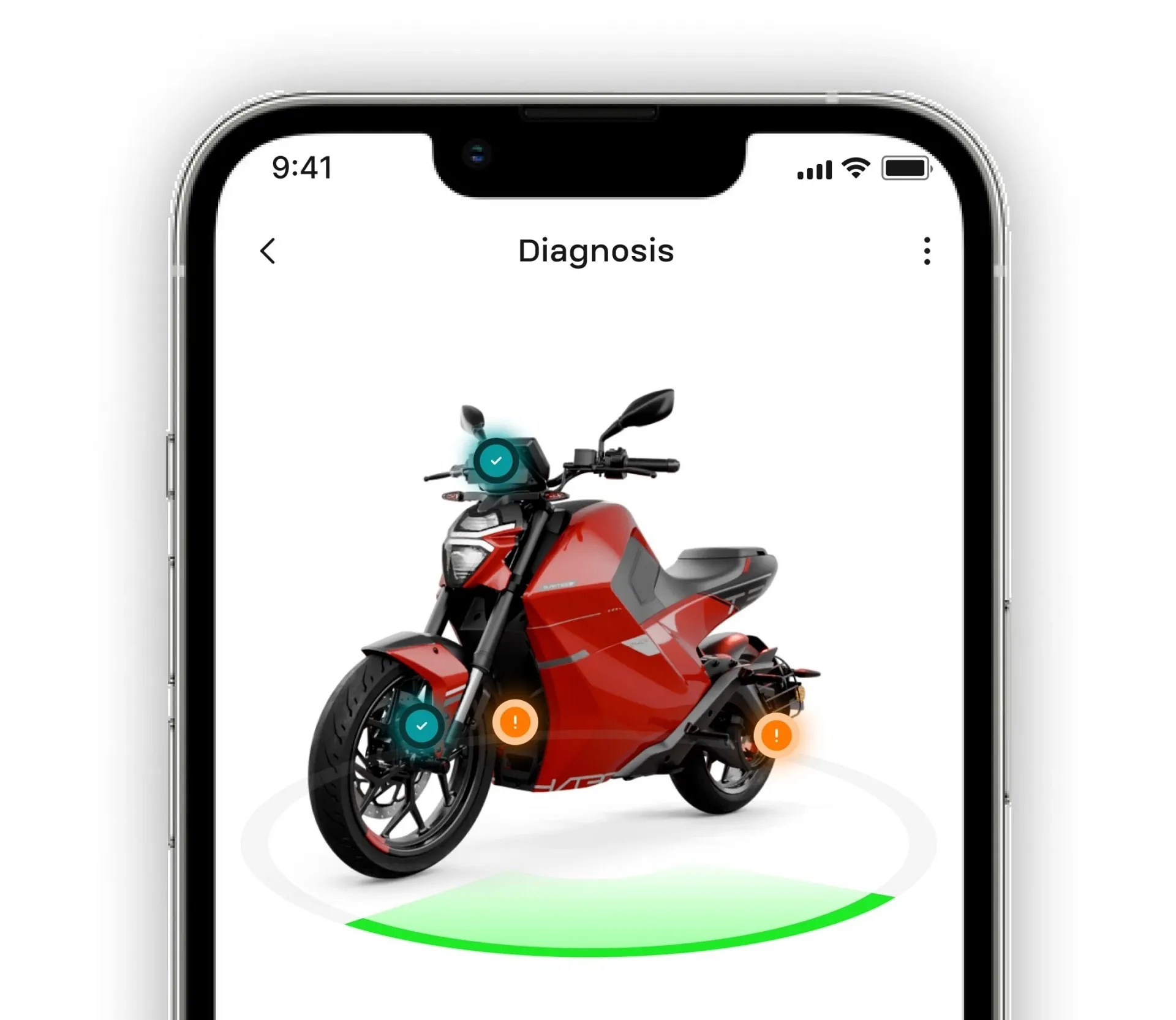
Native RS485/UART interfaces connect directly to IoT tracking units, transmitting battery state-of-charge (SoC), speed, cellular cell-ID, and engine diagnostics in real time.
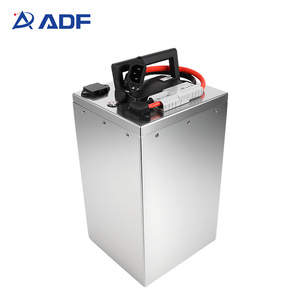
Pre-configured handshake algorithms support multi-vendor swappable battery systems (60V/72V LiFePO4), reducing station swapping duration to under 30 seconds.
Encrypted remote firmware update pipelines enable Kenyan fleet managers to tweak power curves, fix bugs, and add features without pulling vehicles into workshops.
Specialized low-speed vector injection delivers up to 180% rated motor torque to comfortably launch fully loaded trikes and delivery scooters up steep inclines.
Vehicles operating in Kenya require specialized operational calibration based on their exact commercial utility. As an experienced OEM supplier, we tailor controller parameters to fit four distinct regional deployment models:

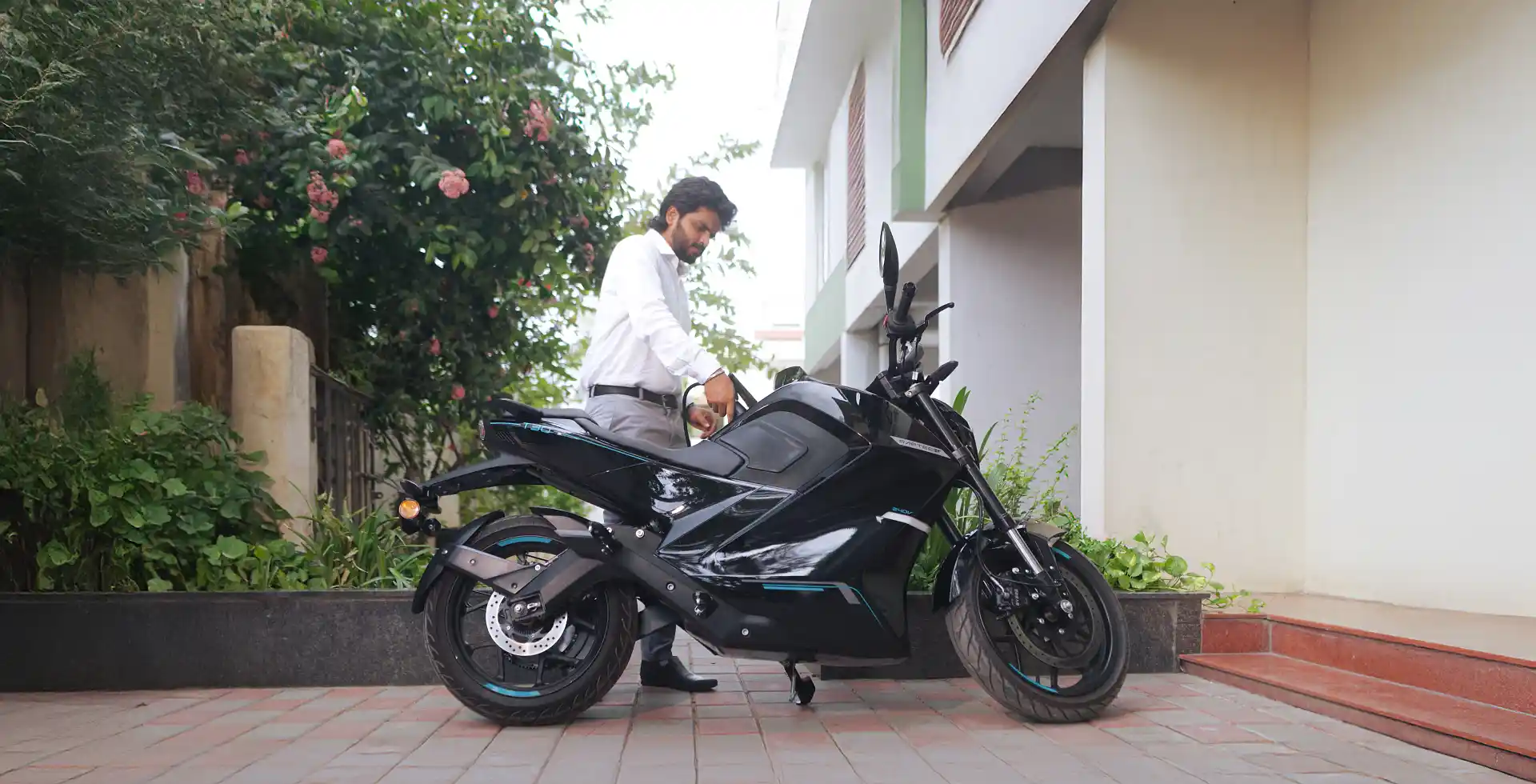
Electric two-wheelers engaged in commercial courier and passenger transport operate up to 14 hours per day. Our customized 72V 80A-150A FOC controllers feature ultra-responsive throttle mapping, dual-battery balance control, and automated anti-theft wheel locking. Integrated 4G AGPS telemetry ensures fleet dispatchers track vehicle speed, remaining battery mileage, and driver behavior in real time via local cloud platforms.
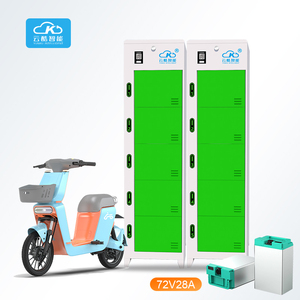
In rural agricultural hubs where grid stability is limited, electric cargo tuk-tuks rely on localized solar battery swapping stations. Our intelligent vehicle controllers interface with solar-assisted DC chargers (such as our 120kW all-in-one stations) and multi-slot battery banks. The VCU enforces strict lower-voltage cutoffs to protect lithium cell chemistry from deep discharge damage during high-payload transport over rough unpaved roads.
Heavy duty electric buses operating along coastal routes require high-voltage (300V–600V) vehicle control units equipped with dual CAN-bus channels. These VCUs supervise liquid cooling pumps, HVAC compressor speed, power steering units, and multi-gear automated transmissions. Special anti-corrosive conformal coatings safeguard logic boards against salt air ambient corrosion along the Mombasa coast.
Kenyan vehicle OEMs and fleet managers operating under modern regulatory frameworks must align hardware purchasing strategies with structural market shifts:
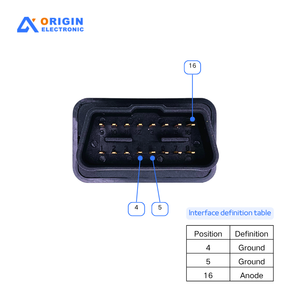
The Kenya Bureau of Standards (KEBS) is moving toward unified connector and battery communication protocols. Our OEM controllers support custom software flash loads compliant with standardized physical plug pinouts and CAN-bus framing, preventing lock-in to single battery vendors.
Asset finance companies in Kenya require hardware-level immobilization mechanisms for non-payment enforcement. Our VCUs incorporate tamper-evident logic lines and remote GSM cellular relays that allow authorized lenders to remotely disable traction motor power safely while preserving steering and diagnostic telemetry.
Commercial fleets are transitioning from low-voltage 48V topologies to 72V-96V and automotive-grade high-voltage systems. Higher system voltages decrease resistive wire losses ($I^2R$), drastically reducing heat accumulation during continuous high-load operations across Kenyan hill highways.
As a vertically integrated controller designer and manufacturer certified under IATF 16949 automotive quality standards, we offer complete end-to-end hardware development, rapid prototyping, mass production, and international logistics support.
High-speed surface-mount technology (SMT) lines equipped with 3D Automated Optical Inspection (AOI) and X-ray soldering defect detection ensure zero-defect PCB assemblies.
Every controller batch undergoes thermal shock cycling (-40°C to +85°C), 100% full-load burn-in testing, salt spray corrosion testing, and high-frequency vibration table simulation.
We provide comprehensive software development kits (SDKs), CAN protocol specification documents, and Android/iOS app Bluetooth APIs for effortless localized app branding.
Technical, procurement, and integration clarity for engineering teams, fleet managers, and importers in Kenya.
Yes. Our engineering team provides custom CAN-bus protocol matching. Whether your assembly line uses standard JBD, Daly, Seplos, or proprietary automotive BMS systems, we can program our VCU firmware to read state-of-charge, individual cell voltages, and thermal safety alarms seamlessly.
Our controllers are fully potted with thermal conductive epoxy resin inside heavy-duty die-cast aluminum enclosures, achieving strict IP67 ingress protection. All external wiring harnesses utilize waterproof automotive-grade multi-pin connectors (such as Amphenol or Deutsch style), preventing moisture short-circuits during monsoon seasons.
Absolute compatibility. We integrate secondary serial interfaces and digital I/O lines dedicated to cellular IoT modules. The VCU software can be triggered via encrypted remote server commands to safely restrict motor power if an asset financing installment is overdue, while preserving diagnostic functionality.
For custom hardware and tailored wiring harness configurations, prototype samples are dispatched within 14 to 21 working days. Standard sample units for evaluation are shipped within 5 business days via express air freight directly to Nairobi or Mombasa.
Yes. Our FOC algorithms support both high-pole-count direct drive hub motors (common in Boda-Boda e-motorcycles) and high-RPM internal permanent magnet (IPM) mid-drive motors paired with gear reduction units for heavy cargo tricycles and electric micro-vans.
Our manufacturing facility is ISO 9001 and IATF 16949 certified. All vehicle controller series comply with CE, FCC, RoHS standards, and meet electromagnetic compatibility (EMC) testing requirements necessary for KEBS COC (Certificate of Conformity) clearance upon import into Kenya.
Partner with an industry-leading OEM manufacturer of intelligent vehicle controllers, battery management solutions, and IoT telematics. Request a customized engineering consultation, CAD drawings, or sample units today.

