

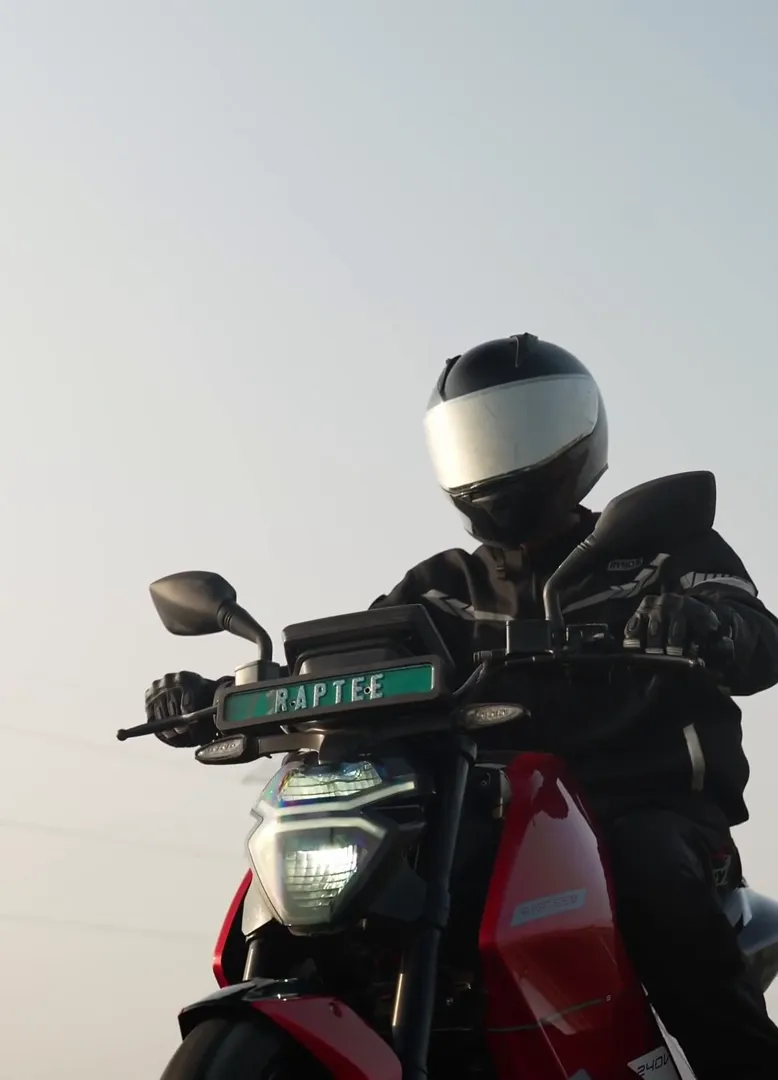
Powertrain Engineering
Car-Grade HV Architecture
Operates at significantly higher voltage thresholds, reducing current flow, minimizing I²R resistive heat losses, and permitting continuous 135 km/h highway speeds without thermal derating.
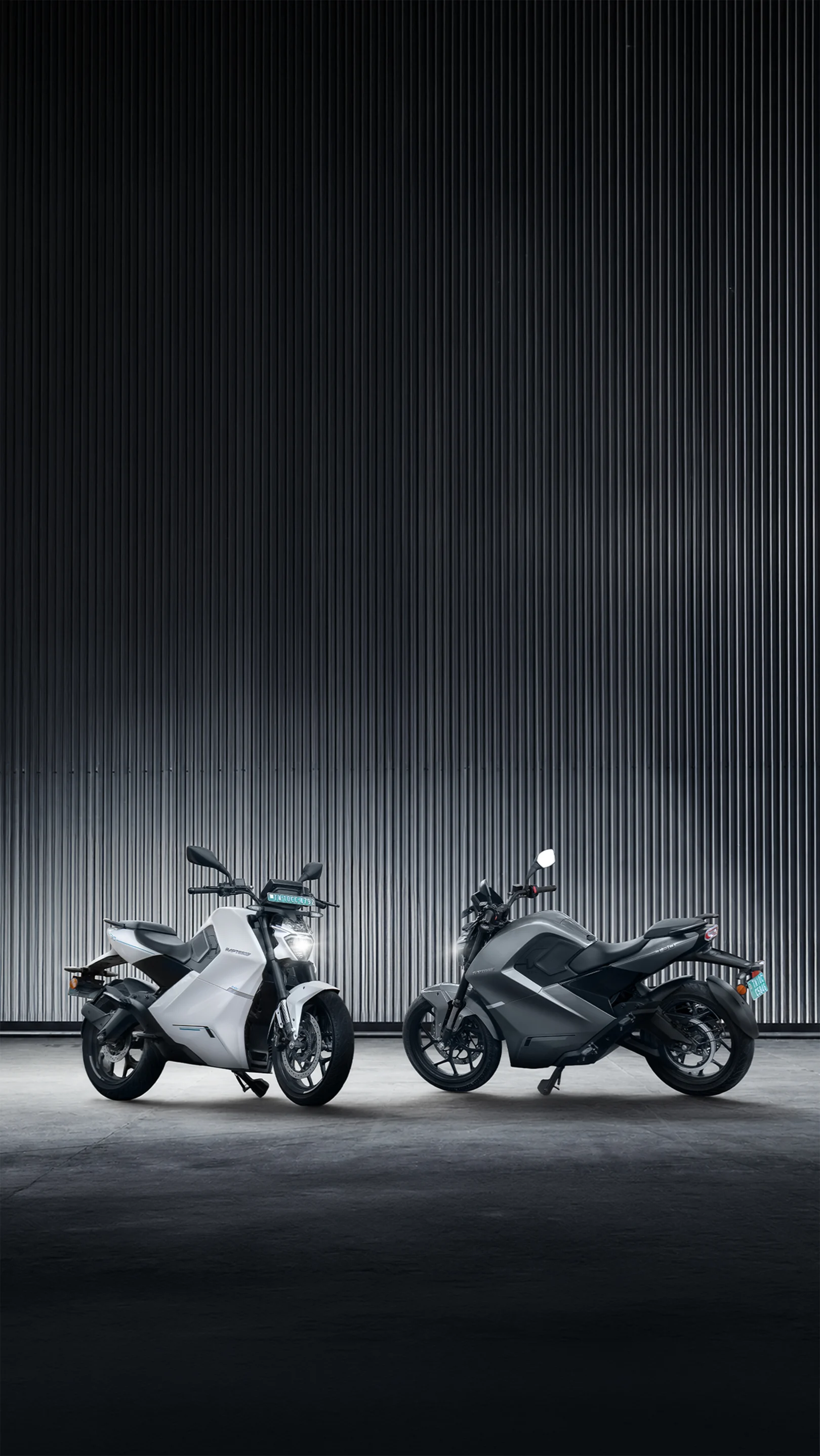
Raptee.HV Industrial B2B Whitepaper
The Definitive Technical Analysis for Global Importers, Distributors, and Fleet Operators Sourcing Car-Grade High-Voltage (HV) Electric Motorcycles with Universal CCS2 Fast Charging Standard.
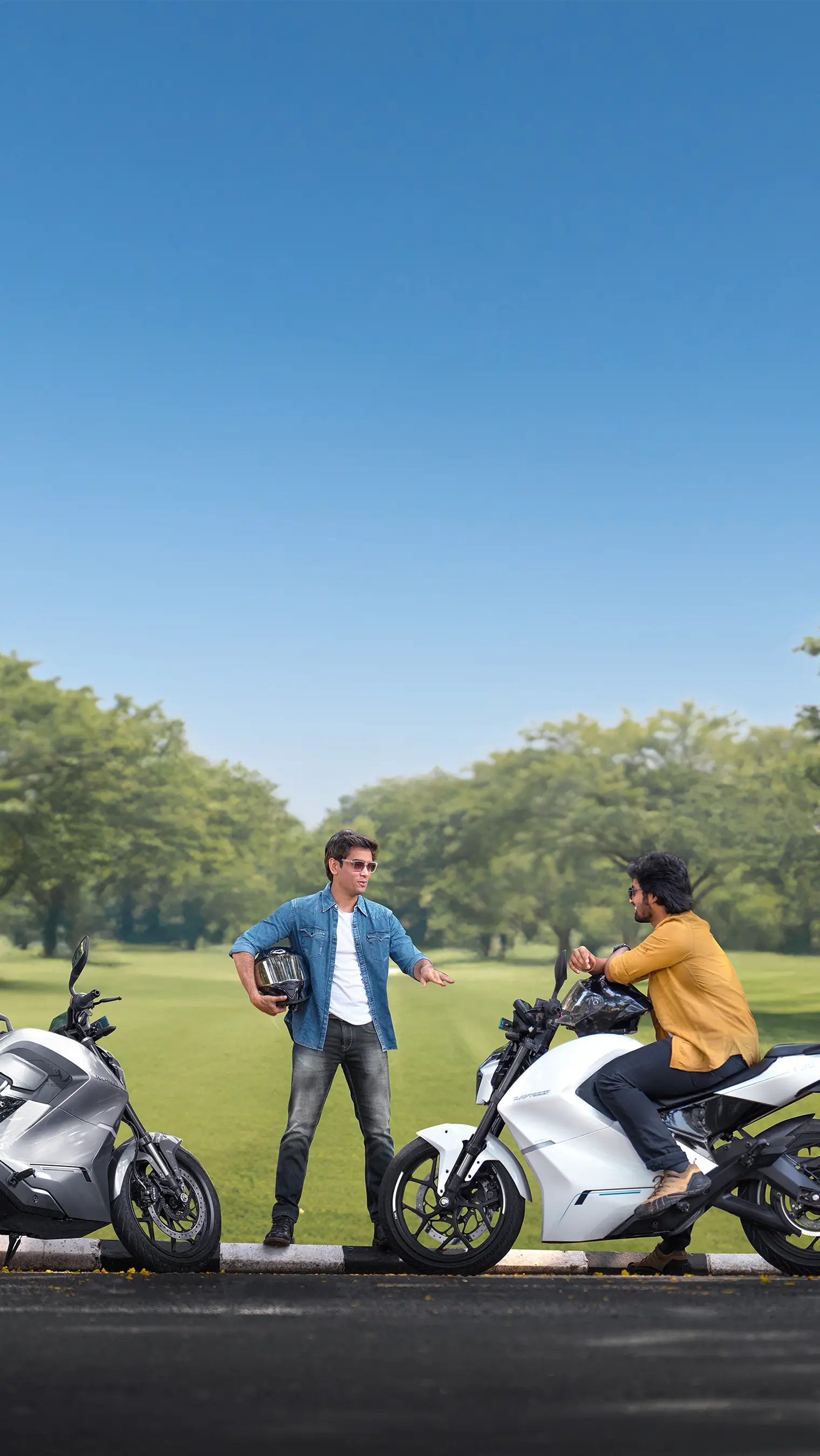
135 km/h Top Speed · 22 kW Peak Power
Redefining Urban & Highway Electric Mobility Performance
5.4 kWh Battery Capacity | 200 km IDC Range | Car-Grade High Voltage Drivetrain
As global light electric vehicle (LEV) procurement transitions from low-speed 48V-72V commuter scooters toward highway-capable L3e-A2 class vehicles, commercial importers require validated technical architectures that solve thermal degradation, range anxiety, and infrastructure fragmentation.
Engineered in Chennai, India—Asia’s premier automotive manufacturing hub—the Raptee.HV T30 represents a technological paradigm shift. It is engineered from the ground up on a car-grade high-voltage (HV) architecture, eliminating the performance throttling common to conventional low-voltage electric two-wheelers.
Operates at significantly higher voltage thresholds, reducing current flow, minimizing I²R resistive heat losses, and permitting continuous 135 km/h highway speeds without thermal derating.
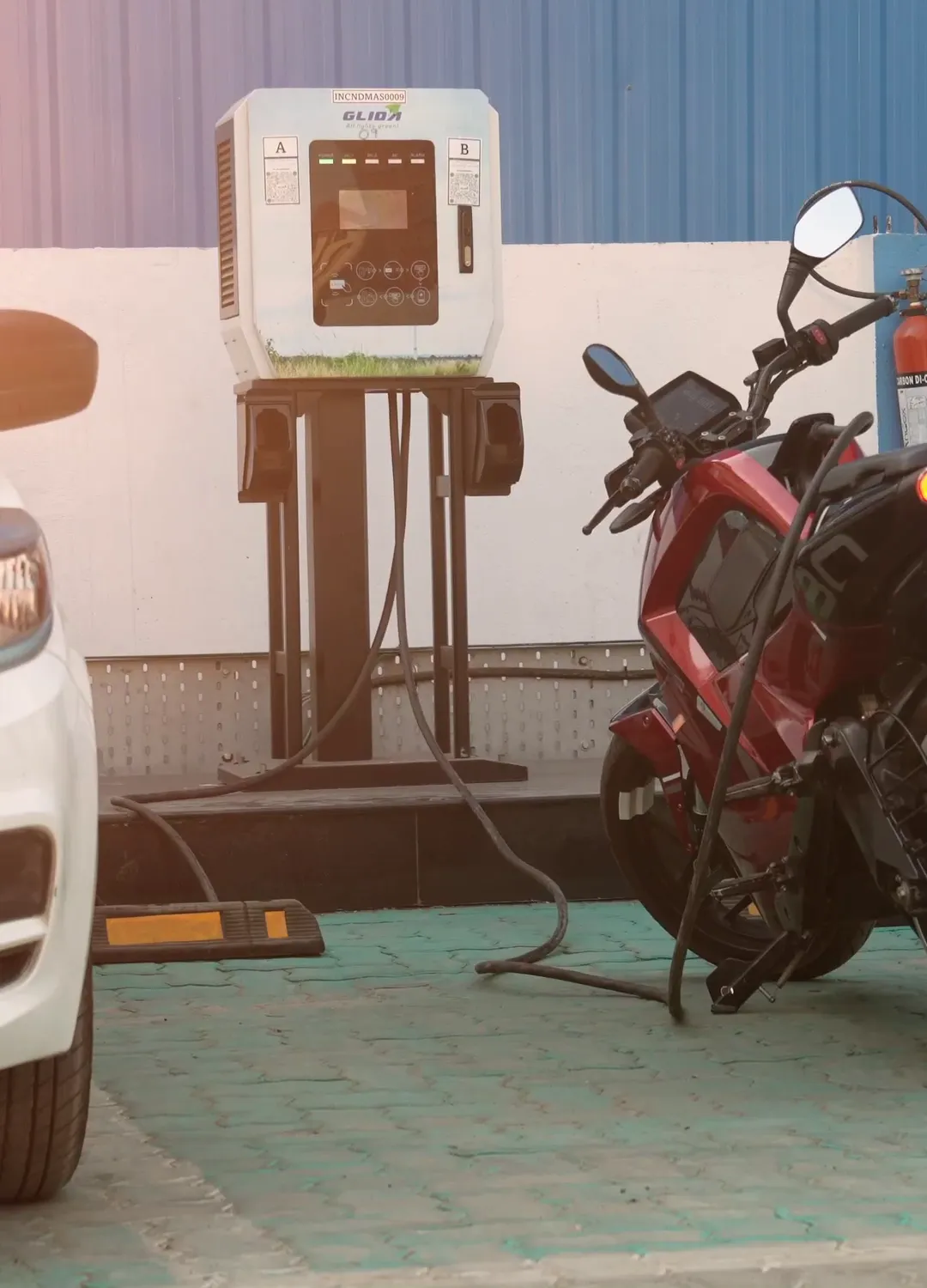
The world's first high-speed electric two-wheeler natively compliant with public EV car fast chargers. Plugs directly into 29,000+ CCS2 stations worldwide for 20-80% charge in 36 minutes.
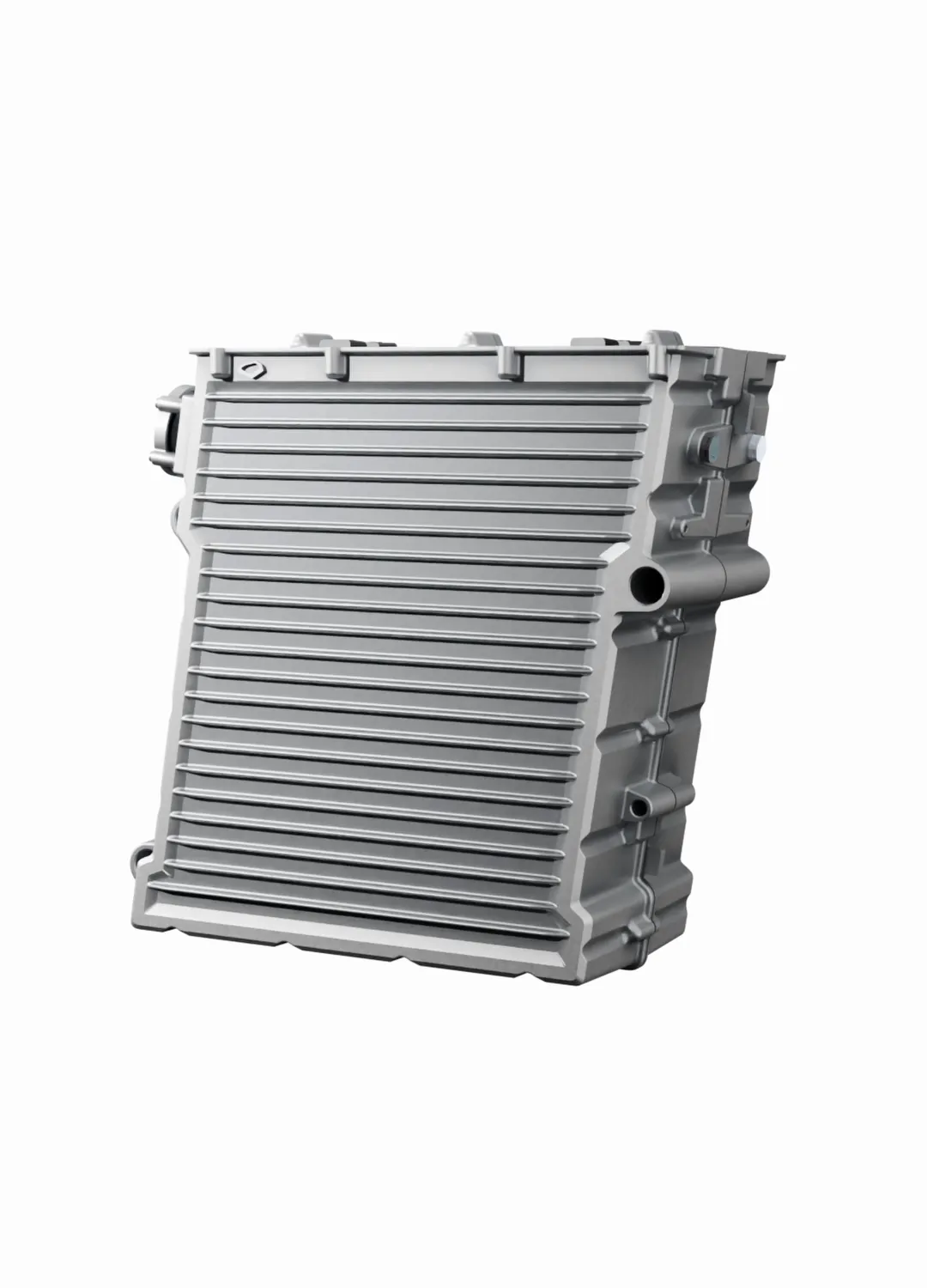
Backed by an unprecedented manufacturer warranty. Reduces total cost of ownership (TCO) for fleet buyers and provides distributors with an unbeatable retail sales proposition.
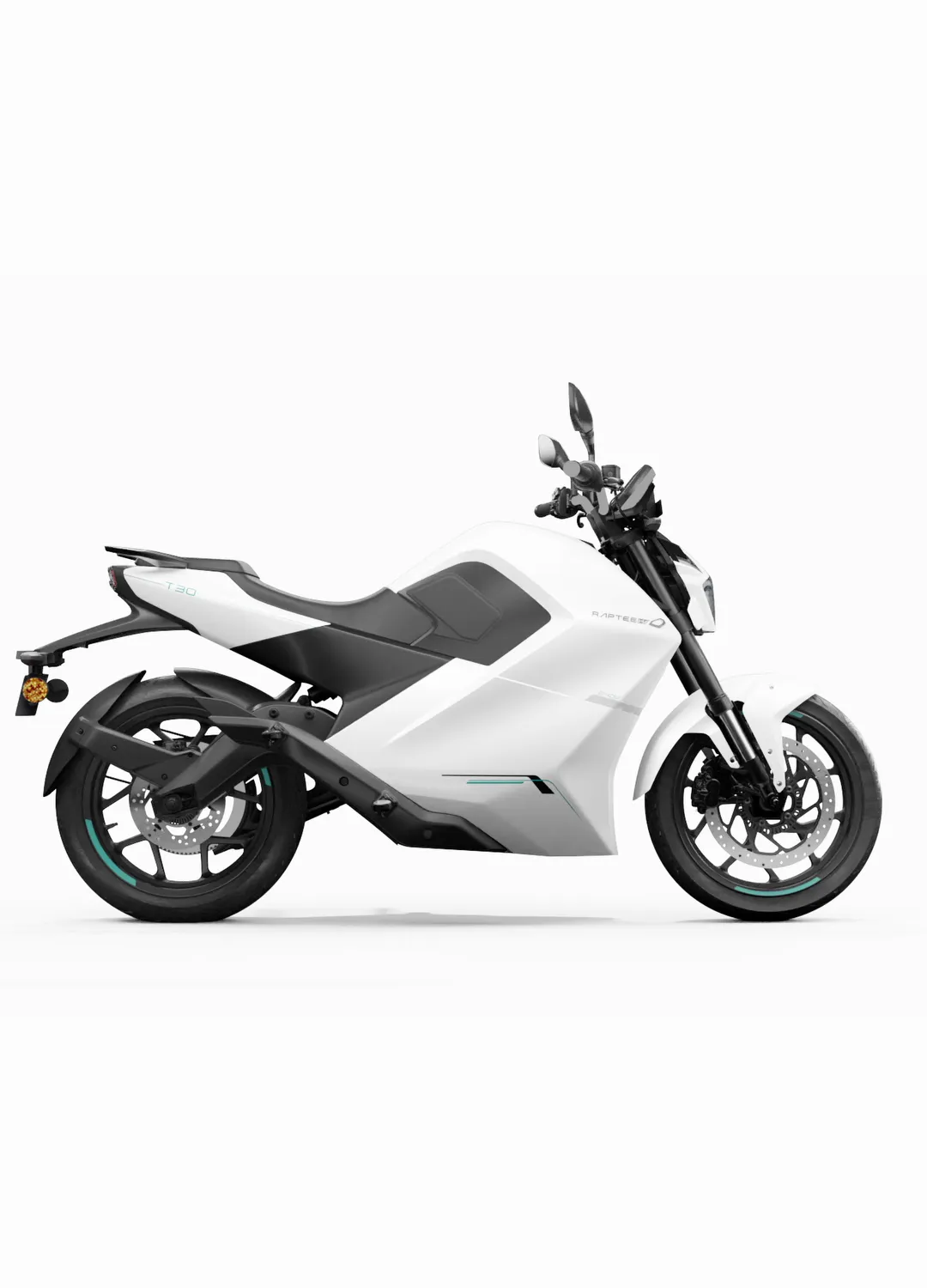
Integrated IoT unit, 7-inch TFT display, real-time battery thermal diagnostics, geofencing API integration, and continuous Over-The-Air software enhancements.
For global importers and distributors, evaluating a high-speed electric two-wheeler requires an understanding of electrical engineering principles. Traditional electric two-wheelers operate on low-voltage (LV) direct current (DC) architectures, typically between 48V and 72V. While LV architectures are cost-effective for 25 km/h to 60 km/h low-speed city scooters, they encounter severe physical barriers when scaled to high-speed (100 km/h+) performance requirements.
Electrical power output is expressed as $P = V \times I$ (Power = Voltage × Current). To generate 22 kW of peak output on a legacy 72V system, the drivetrain must draw approximately 305 Amperes of current. According to Joule's First Law, resistive heat generation increases quadratically with current ($P_{loss} = I^2 R$).
Under high current, battery cells, copper windings, and MOSFET switches in 72V systems experience extreme thermal stress. This forces the electronic control unit (ECU) to initiate thermal throttling, reducing top speeds from 100 km/h down to 60 km/h within minutes of highway driving. Conversely, Raptee.HV’s car-grade High-Voltage (HV) architecture raises system voltage significantly. This drops required current by up to 60%, drastically cutting resistive thermal losses, maintaining peak torque, and enabling sustained 135 km/h operation in extreme ambient temperatures.
| Engineering Parameter | Legacy Low-Voltage (72V) Systems | Raptee.HV High-Voltage (HV) Architecture |
|---|---|---|
| Target Speed Envelope | Low to Mid Speed (25 km/h – 85 km/h) | High Speed (135 km/h Sustained Highway) |
| Peak Current Draw @ 22 kW | ~305 Amperes (Extreme Thermal Generation) | Substantially Lower Amperage (Minimal Heat) |
| Thermal Throttling Threshold | Triggers after 5–10 minutes of highway riding | No thermal throttling under continuous load |
| Fast Charging Protocol | Proprietary low-voltage DC chargers (2-4 hours) | Universal Public CCS2 Car Stations (36 Mins 20-80%) |
| Battery Pack Warranty | Typically 2 to 3 Years (Degrades quickly) | 8 Years or 80,000 km Manufacturer Covered |
| Charging Station Compatibility | Incompatible with public electric car network | 100% Compatible with Global EV Car Infrastructure |
As legislative mandates phase out internal combustion engine (ICE) two-wheelers across Europe, North America, Latin America, and Southeast Asia, procurement managers must align with key industry shifts over the 2025–2030 horizon.
Global procurement channels are actively rejecting proprietary charging wall-boxes and non-standard plugs that isolate two-wheelers from public charging networks. Sourcing high-speed electric two-wheelers equipped with CCS2 ports enables fleet users and retail buyers to leverage tens of thousands of existing public car charging points, completely solving range anxiety and boosting resale values.
Thermal runaway risks are driving global regulatory bodies to impose strict battery safety certifications. Importers must source vehicles built with IP67-rated ingress protection, micro-climate thermal barrier materials between cells, and smart Battery Management Systems (BMS) capable of cell-level balancing and real-time fault telemetry.
Modern high-speed two-wheelers operate as connected software platforms. B2B importers are prioritizing OEM partners that offer onboard Telematics Control Units (TCU), CAN-bus integration, real-time remote diagnostics, OTA updates, and geofencing capabilities to reduce maintenance downtime and prevent vehicle theft.
High fuel costs and rising ICE maintenance costs make high-speed electric motorcycles ideal for commercial and commuter applications. Eliminating drive belts, oil filters, clutch plates, and spark plugs yields up to 85% savings in lifetime operating costs compared to 250cc-400cc gas motorcycles.
Understanding the technological advancements shaping the high-speed electric two-wheeler market helps distributors make future-proof sourcing decisions.
Electric motorcycles are adopting automotive innovations, including high-voltage traction batteries, silicon carbide (SiC) inverters, and automotive-grade wiring harnesses to improve efficiency and reliability under heavy workloads.
Riders are moving away from traditional scooter styling toward aggressive streetfighter and urban roadster designs. High-speed electric two-wheelers now combine sporty ergonomics with aerodynamic drag reduction.
Eliminating external charging bricks by incorporating built-in onboard AC chargers allows riders to plug into standard household wall sockets using a single lightweight cable, simplifying charging anywhere.
The Raptee.HV T30 is engineered to operate natively on the global electric car charging grid. By integrating standard CCS2 DC fast-charging protocols alongside onboard household AC charging capabilities, distributors can offer customers complete charging flexibility.
Plug into Car Chargers. Zero Infrastructure Barrier.
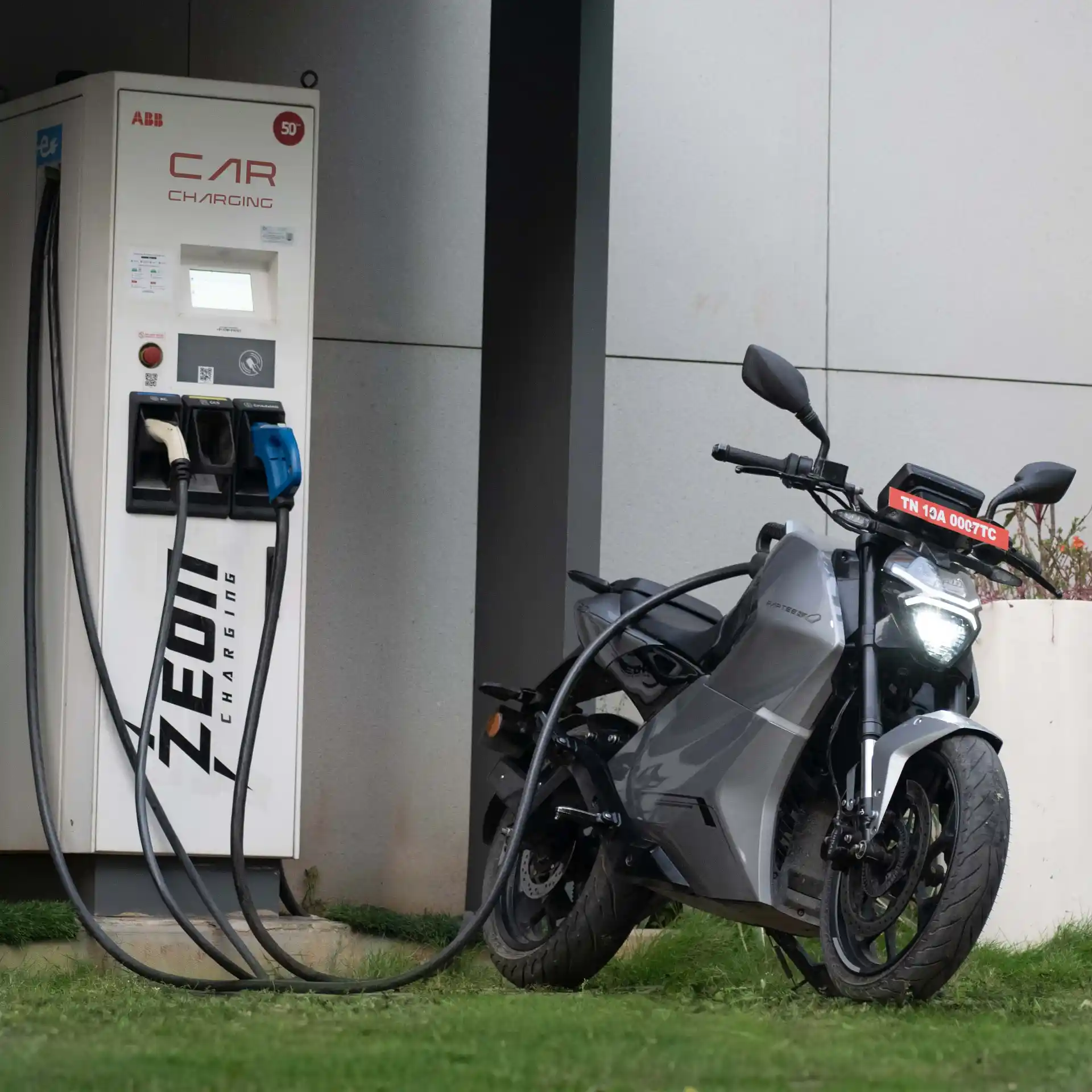
Utilizes commercial DC fast chargers. A brief 15-minute charge adds 50 km of highway range during long-distance travel.
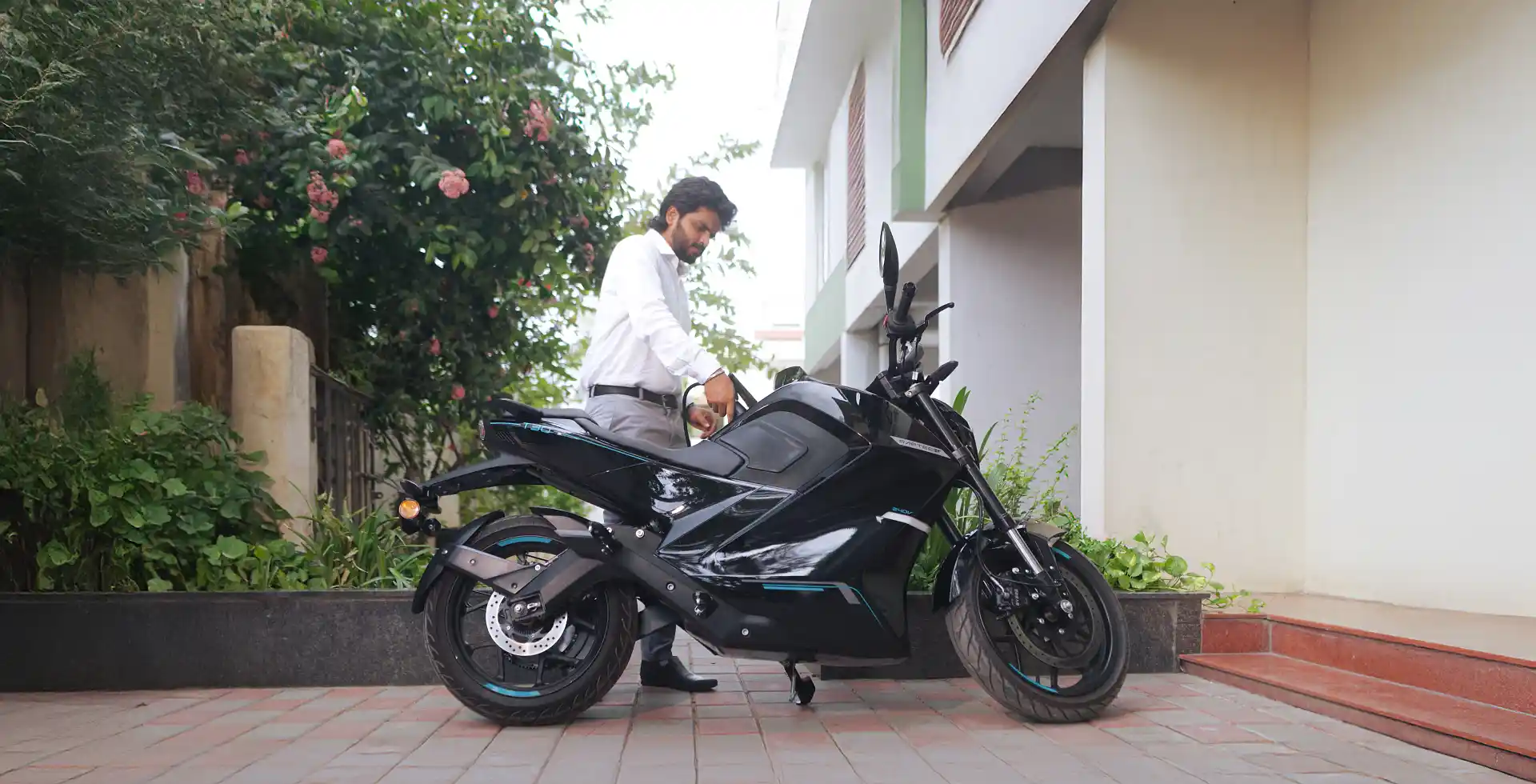
Integrated onboard charger converts AC household current internally. Plugs into conventional wall outlets without expensive home wall-box installations.
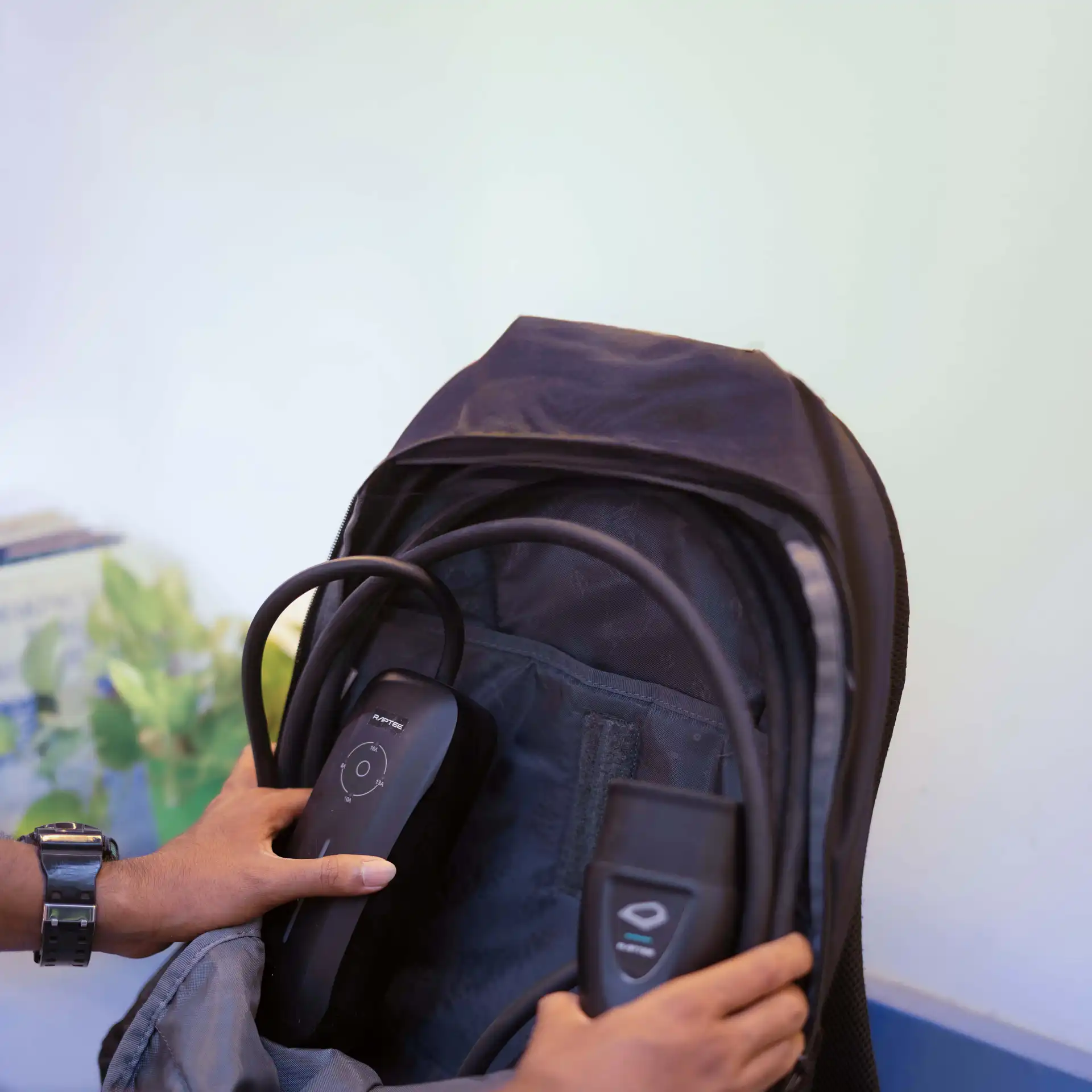
Lightweight charging cable eliminates bulky external power adapter bricks. Easily stows in rider luggage or under-seat storage.
High-speed electric two-wheelers must seamlessly integrate with the rider's digital life and fleet management software systems.
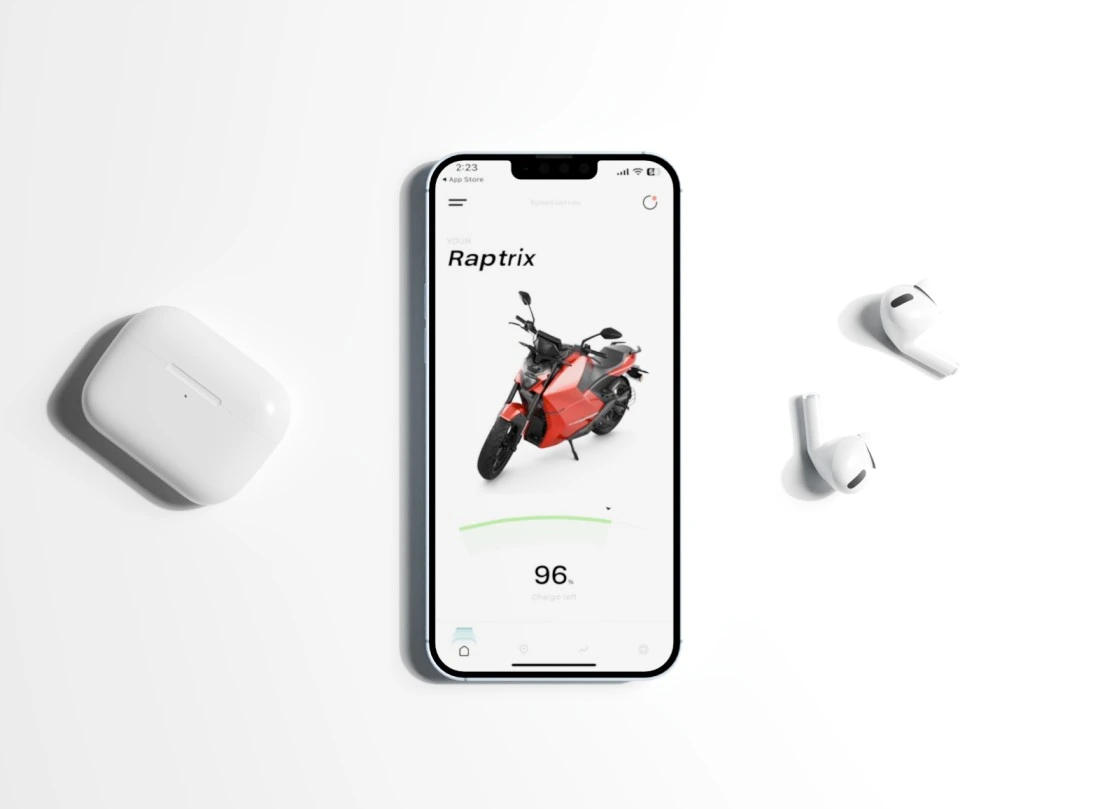
IP65 waterproof touchscreen display features turn-by-turn Raptee Maps, Bluetooth headset integration, real-time power distribution meters, and call control.
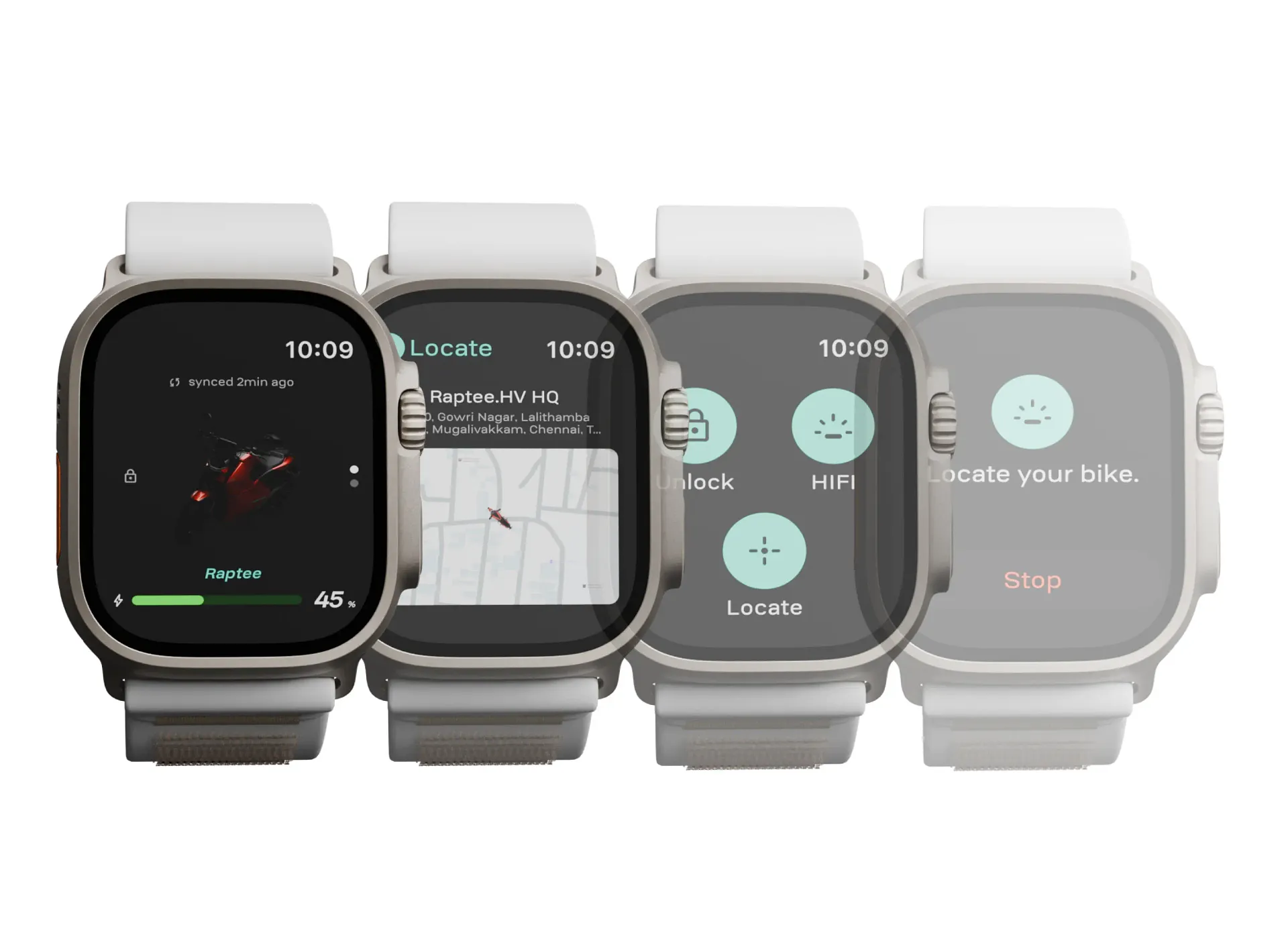
Riders can keyless lock, unlock, track real-time GPS locations, check charge statuses, and trigger remote alarms directly from iOS/Android smartwatches.
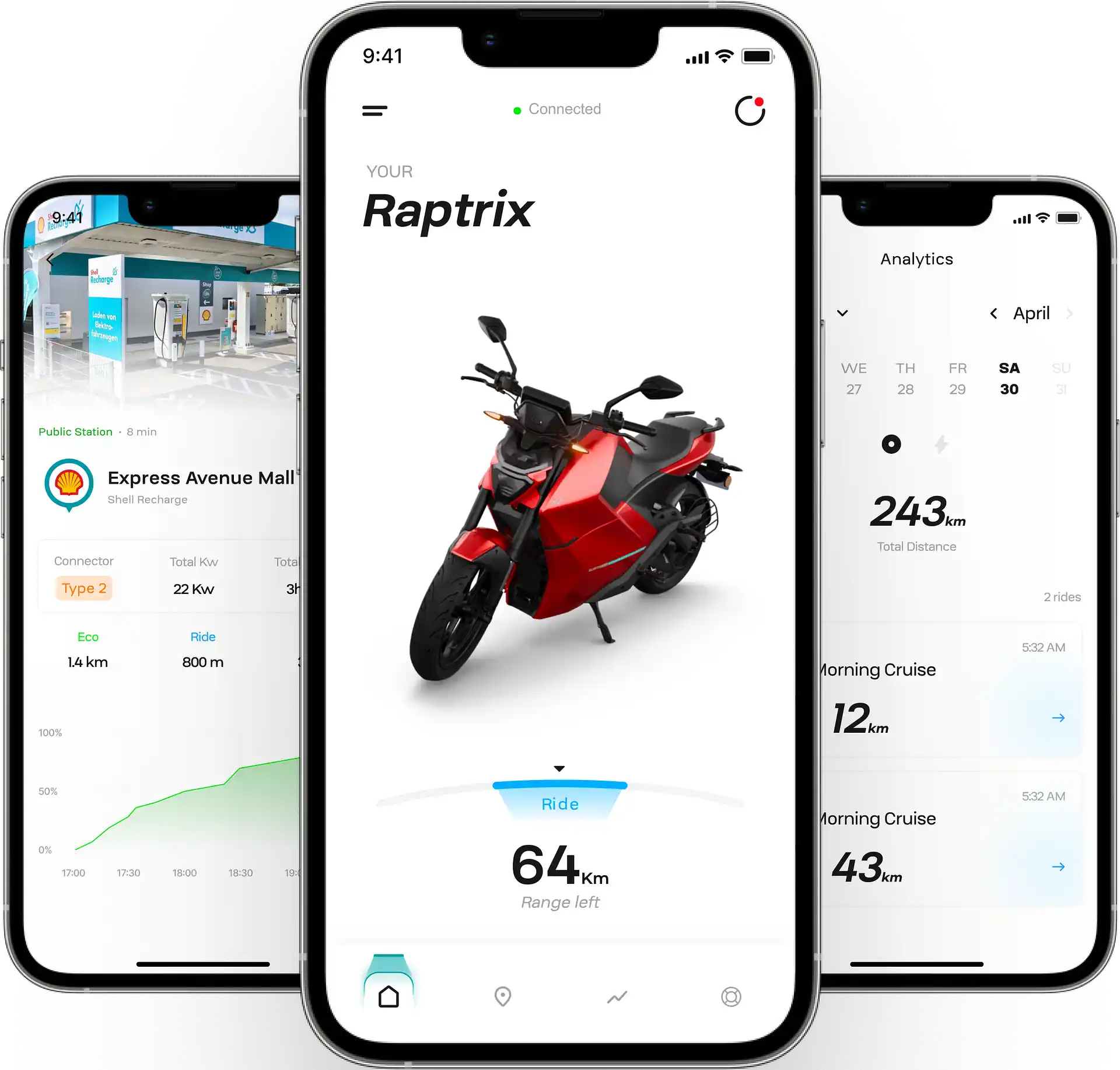
The proprietary Raptee.HV application provides comprehensive vehicle health diagnostics, riding telemetry, efficiency breakdown, geofence boundary configuration, and remote immobilizer functions. Software-over-the-air (OTA) updates continuously push firmware performance optimizations without dealership visits.
Explore the aerodynamic frame, mid-mounted high-voltage motor position, and streetfighter design ergonomics.
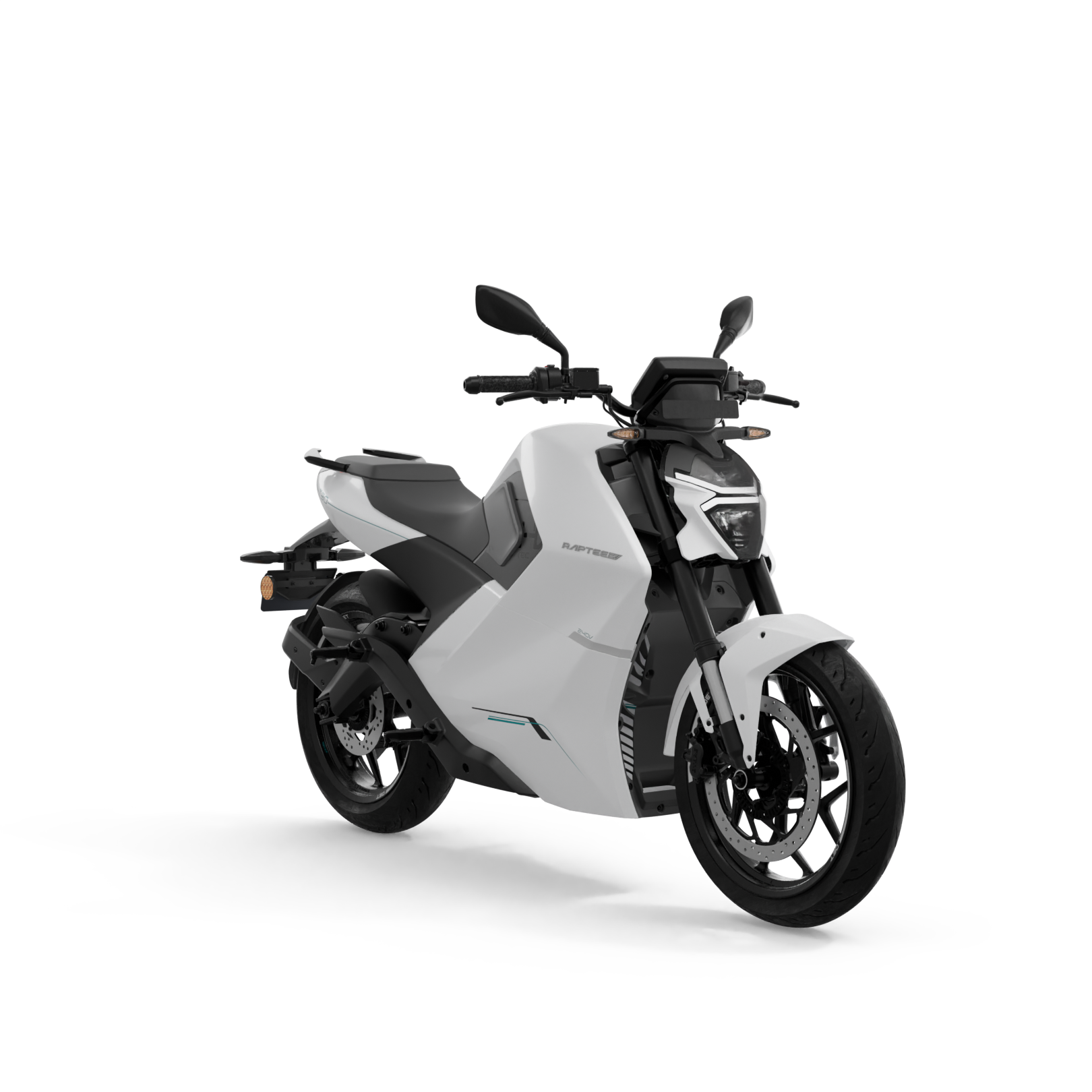
Complete engineering parameters for international homologation verification, commercial fleet analysis, and B2B import evaluation.
*Certified range based on Indian Driving Cycle (IDC) testing protocols. Actual real-world range may vary depending on riding mode selection, aerodynamic load, ambient temperature, rider weight, and road gradient. Vehicle specifications comply with international homologation standards.
Headquartered in Chennai, India, Raptee.HV is an OEM EV pioneer with deep expertise in power electronics, software development, and advanced automotive manufacturing.
Engineered proprietary high-voltage powertrains and Battery Management Systems (BMS), breaking away from generic third-party low-voltage components.
Our Chennai manufacturing plant operates automated assembly lines, precision quality testing rigs, and rigorous thermal abuse testing chambers.
Tier-1 automotive supplier network guarantees long-term spare part availability, dependable component supply, and predictable production lead times for global orders.
Our engineering team assists international distributors with regional regulatory approvals, including EU L3e type approvals, DOT compliance, and regional EV subsidies.
Become an Exclusive Regional Distributor or Fleet Partner.Inquire today to check territory rights, sample shipment schedules, volume tier pricing, and OEM customization options.
Independent automotive journalists have evaluated the high-speed thermal stability, acceleration, and CCS2 fast charging capabilities of the Raptee.HV T30.


I was able to do speeds around 110–120 kph, and the motor's performance was consistent.
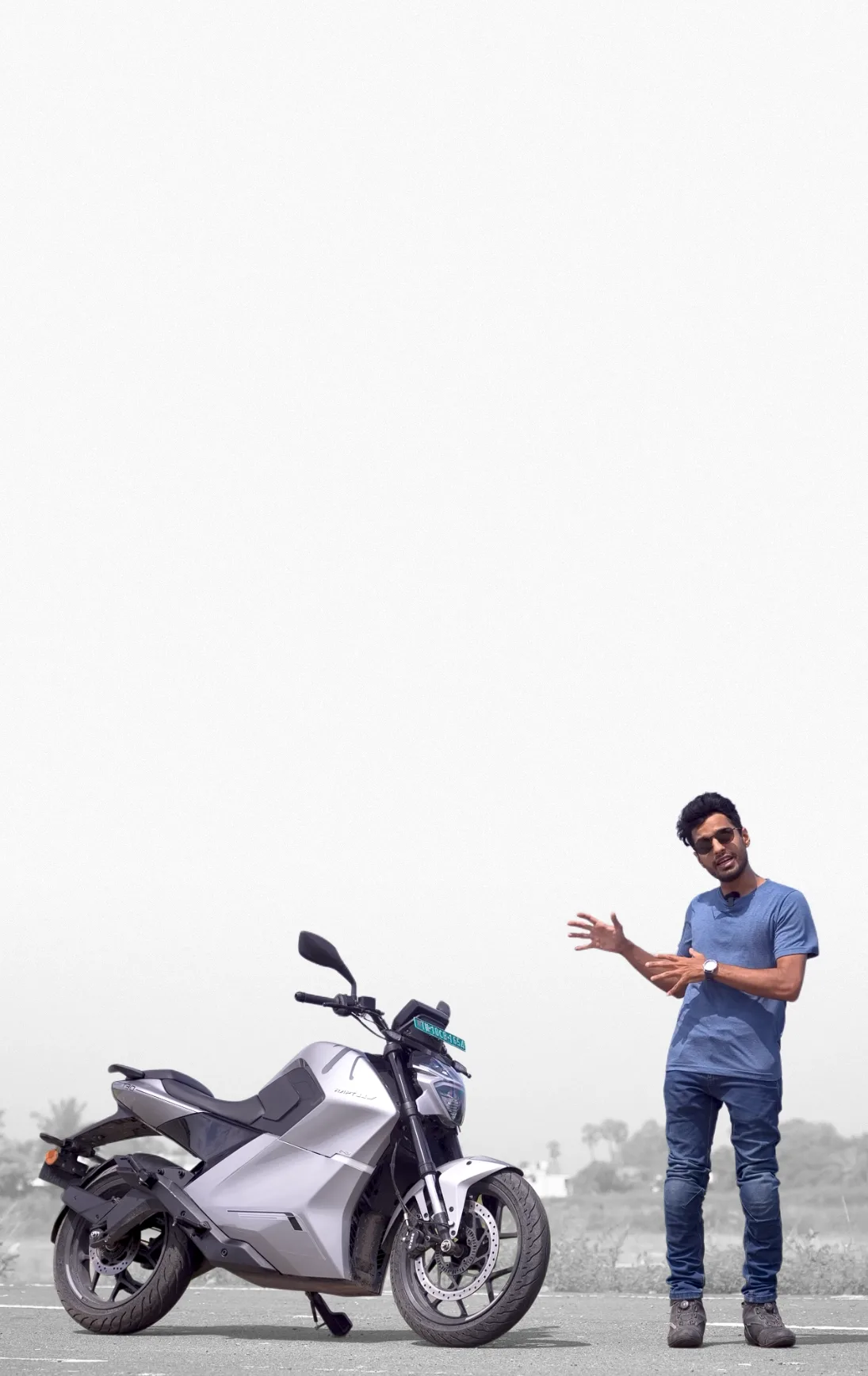

Urban roadster meets sporty streetfighter styling.
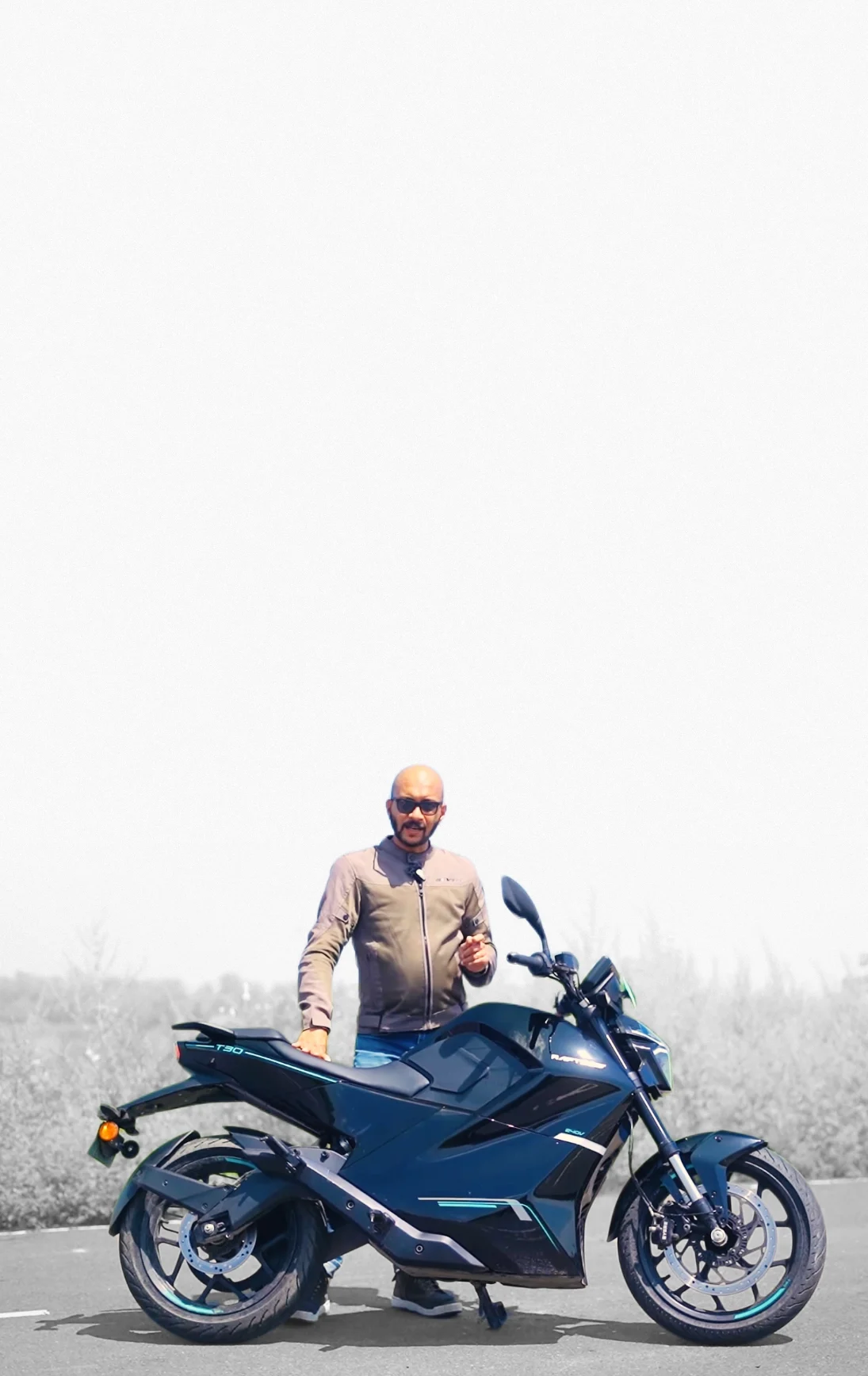

The T30 has sharp aerodynamic lines and an aggressive stance.


Raptee.HV has challenged the very blueprint of what we think of as electric motorcycles.
Critical technical and business insights for importers, distributors, and fleet procurement officers sourcing high-speed electric two-wheelers.
Request our comprehensive technical catalog, commercial pricing, homologation data sheets, and distributor partnership guidelines today.