


Urban Dispatch
High-Speed Rescue Operations
Cut through dense urban traffic to reach stranded EVs up to 40% faster than heavy towing trucks.

Global Fleet & OEM Procurement Briefing.HV
Empowering global B2B procurement directors, municipal fleets, and roadside service providers with high-voltage mobile rescue infrastructure, universal CCS2 fast-charging integration, and telematics-driven emergency response platforms.
High-Voltage Architecture · Zero Thermal Throttling
Built for Global Roadside Operators.
Universal CCS2 compatibility, 200 km IDC range, and 8-year OEM battery warranty guarantee operational continuity across urban and highway corridors.
As global electric vehicle adoption accelerates across passenger, commercial, and micro-mobility segments, traditional ICE-focused towing operations are creating bottleneck risks for enterprise fleets. Modern EV roadside assistance service calls demand active on-site mobile charging, high-voltage vehicle-to-vehicle (V2V) power transfer, and real-time cloud diagnostic telemetry.
Cut through dense urban traffic to reach stranded EVs up to 40% faster than heavy towing trucks.
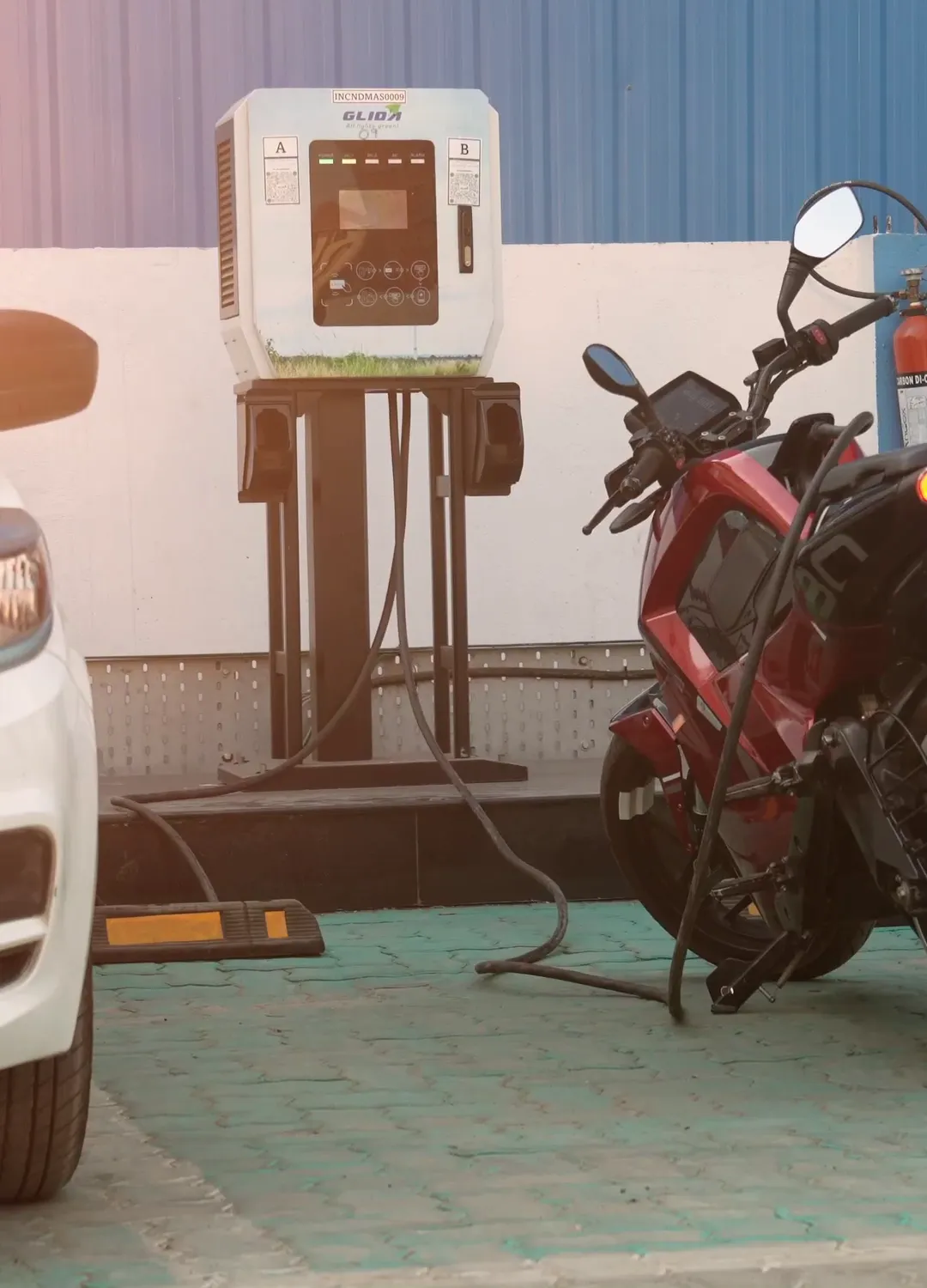
Direct mobile boosting eliminating flatbed tow costs for stranded battery-depleted vehicles.
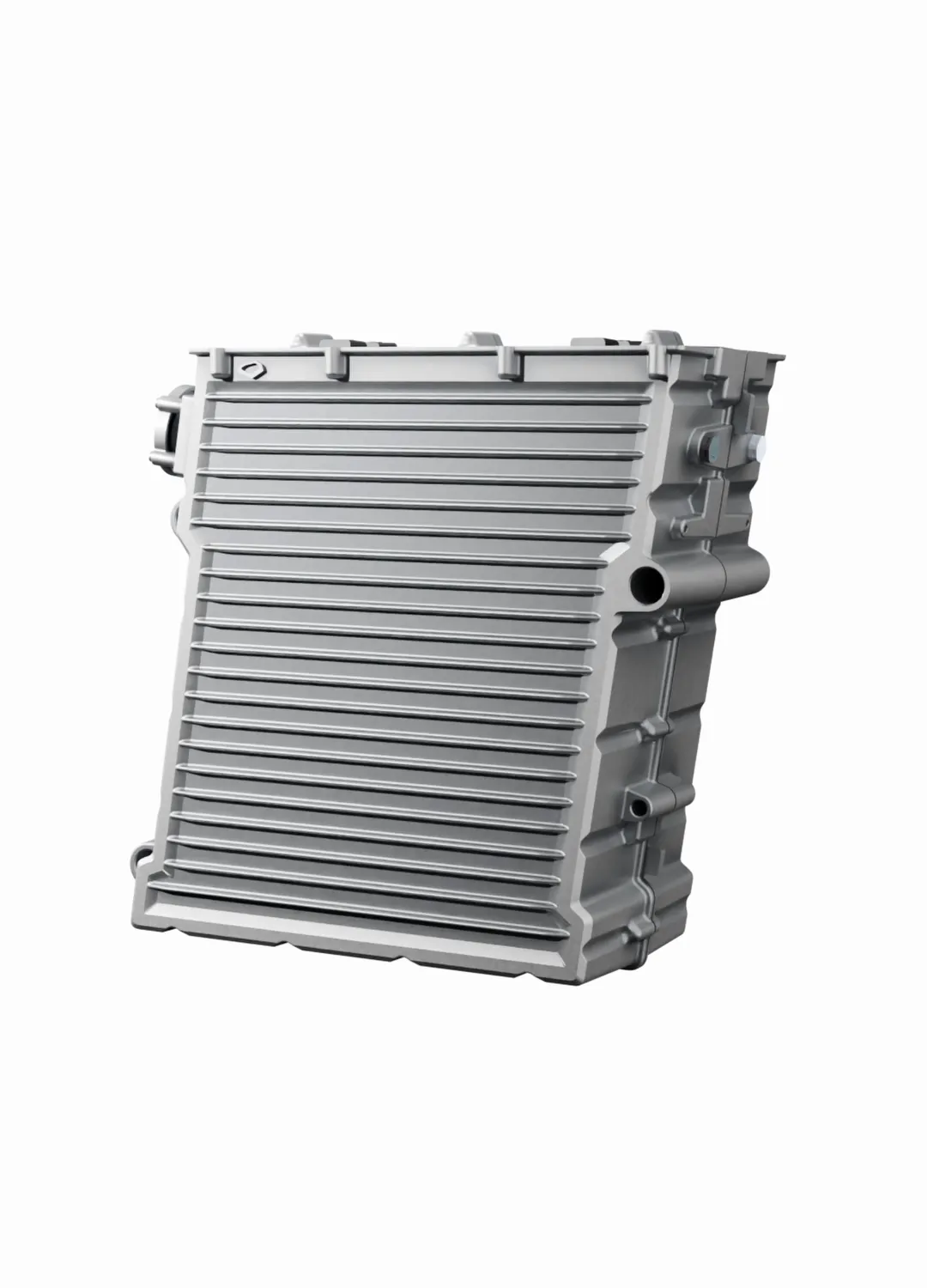
IP67 sealed high-voltage architecture built for extreme climate emergency dispatch work.
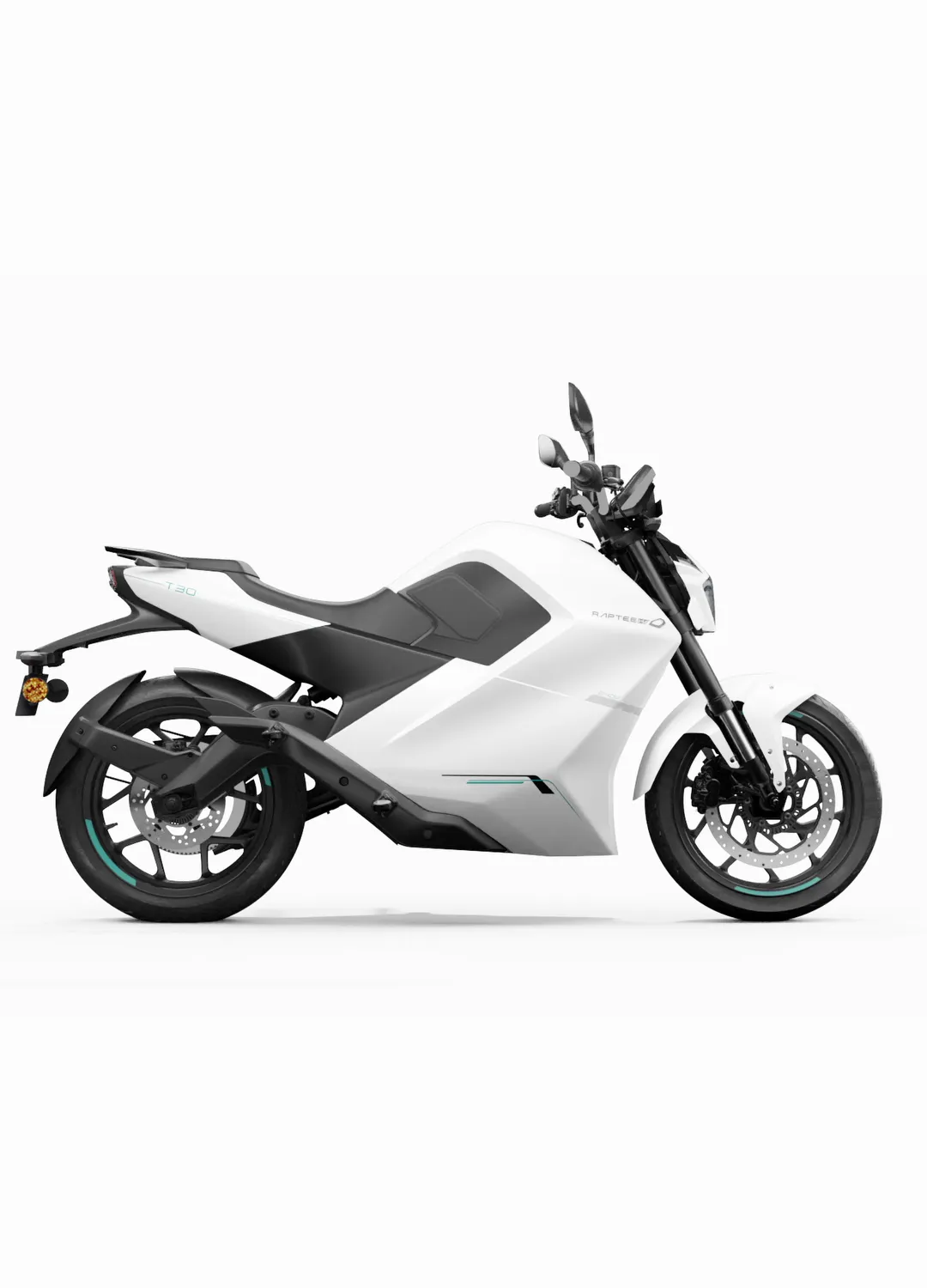
Minimal moving components ensure operational readiness for 24/7 commercial rescue fleets.
Procurement managers searching for high-gain, reliable EV roadside assistance service hardware require modular solutions that combine agile transport, high-voltage battery transfer capability, and standardized charging protocols.
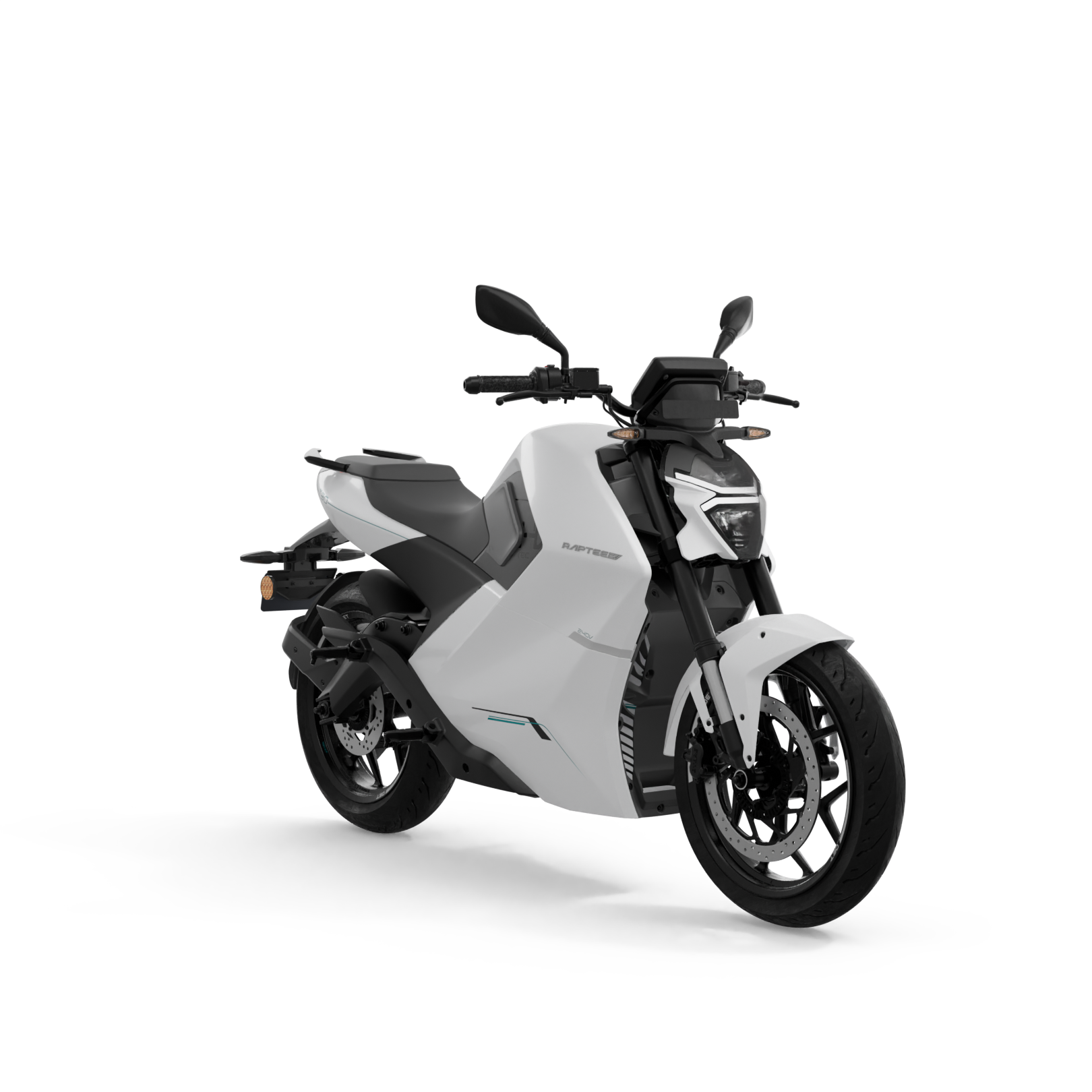
Engineered specifically for rapid urban and suburban emergency callouts. Equipped with a 22 kW motor generating 70 Nm of instant torque, the T30 delivers rapid reach capability when full-sized rescue trucks are stalled in traffic gridlock.
Designed to fit into commercial rescue units, our high-voltage auxiliary modules offer quick top-up charges to stranded electric automobiles and two-wheelers, delivering 20 km to 50 km of emergency range within 15 minutes of roadside hookup.
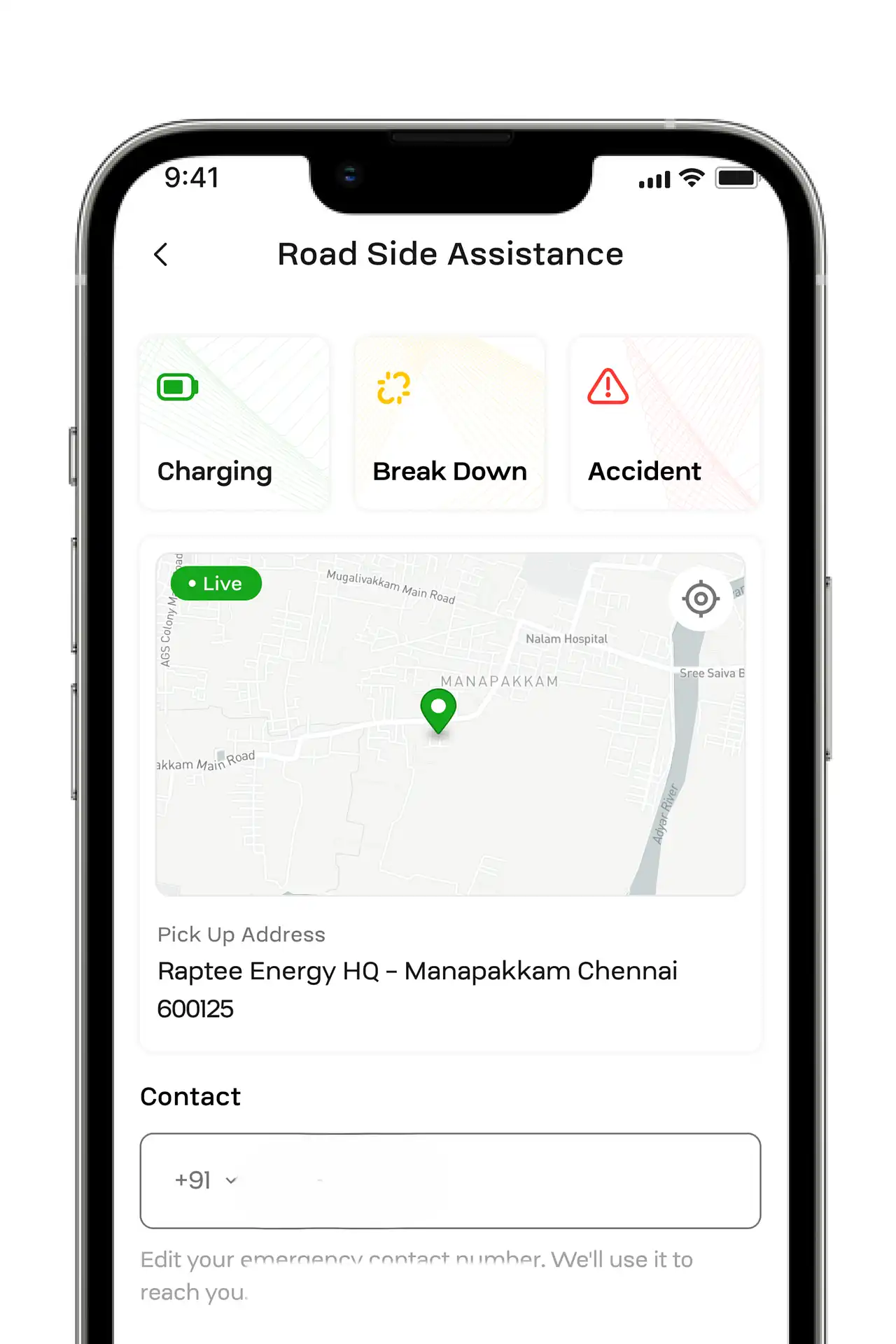
A complete SaaS-and-hardware diagnostic stack integrated into rescue vehicles. Enables service providers to pre-diagnose incoming emergency calls via over-the-air (OTA) cellular links before dispatching technicians.
Legacy 48V or 72V low-voltage electric two-wheelers and portable chargers cannot deliver the power output required for professional roadside operations. High current in low-voltage systems causes extreme heat build-up, forcing severe power throttling during continuous emergency maneuvers or fast-charging cycles. Raptee.HV's car-grade high-voltage architecture eliminates current bottlenecks, operating at higher voltage and lower thermal stress. This enables continuous high-speed cruising at 110–120 km/h and seamless compatibility with public electric car fast-charging stations across global rescue corridors.
B2B buyers, municipal transit authorities, and automobile clubs are overhauling their tender specifications. Here are the core global trends shaping future procurement contracts for electric rescue infrastructure.
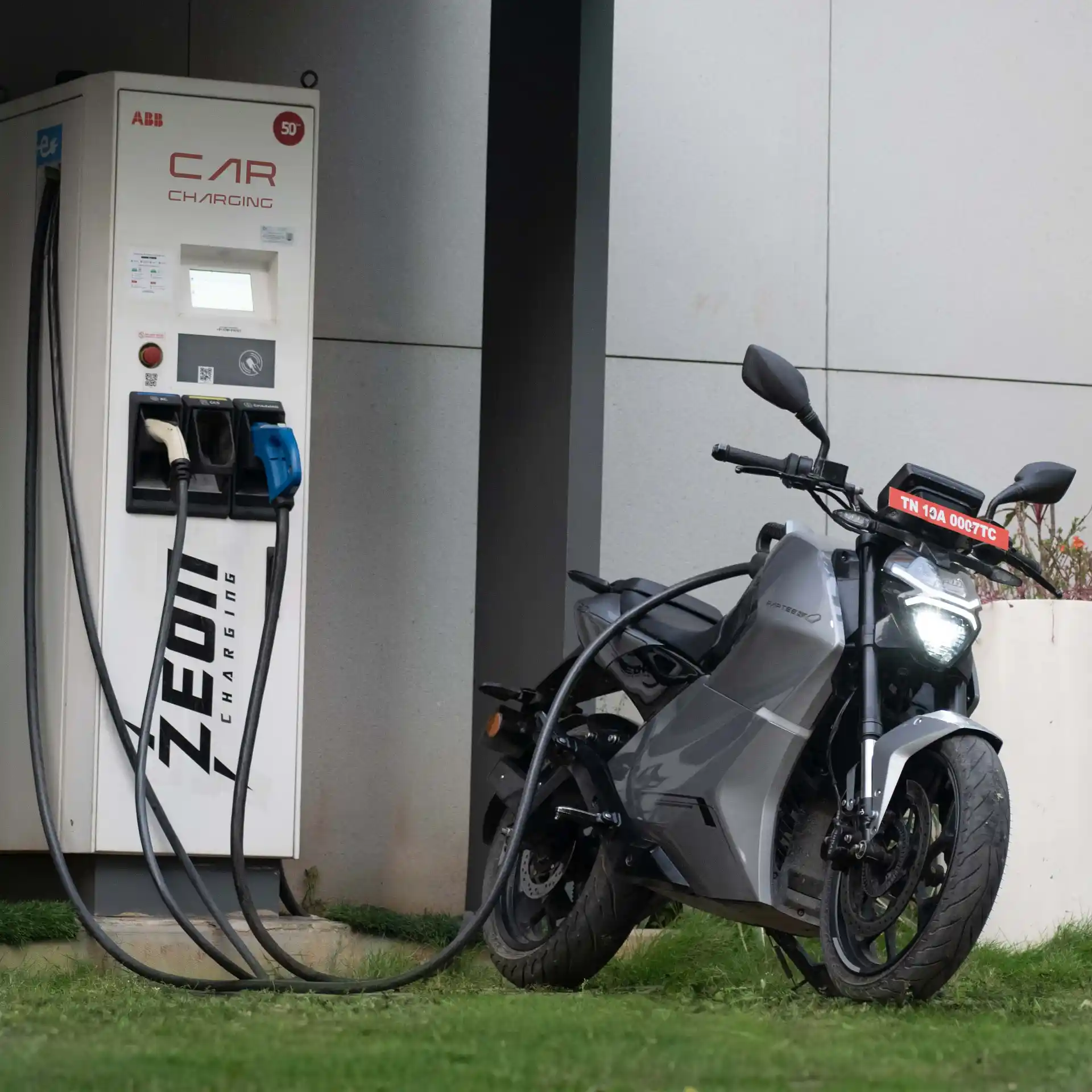
Procurement bids now mandate active roadside boosting (Mobile DC Charging) to resolve range depletion on-site within 20 minutes, reducing costly flatbed haulage and highway congestion.
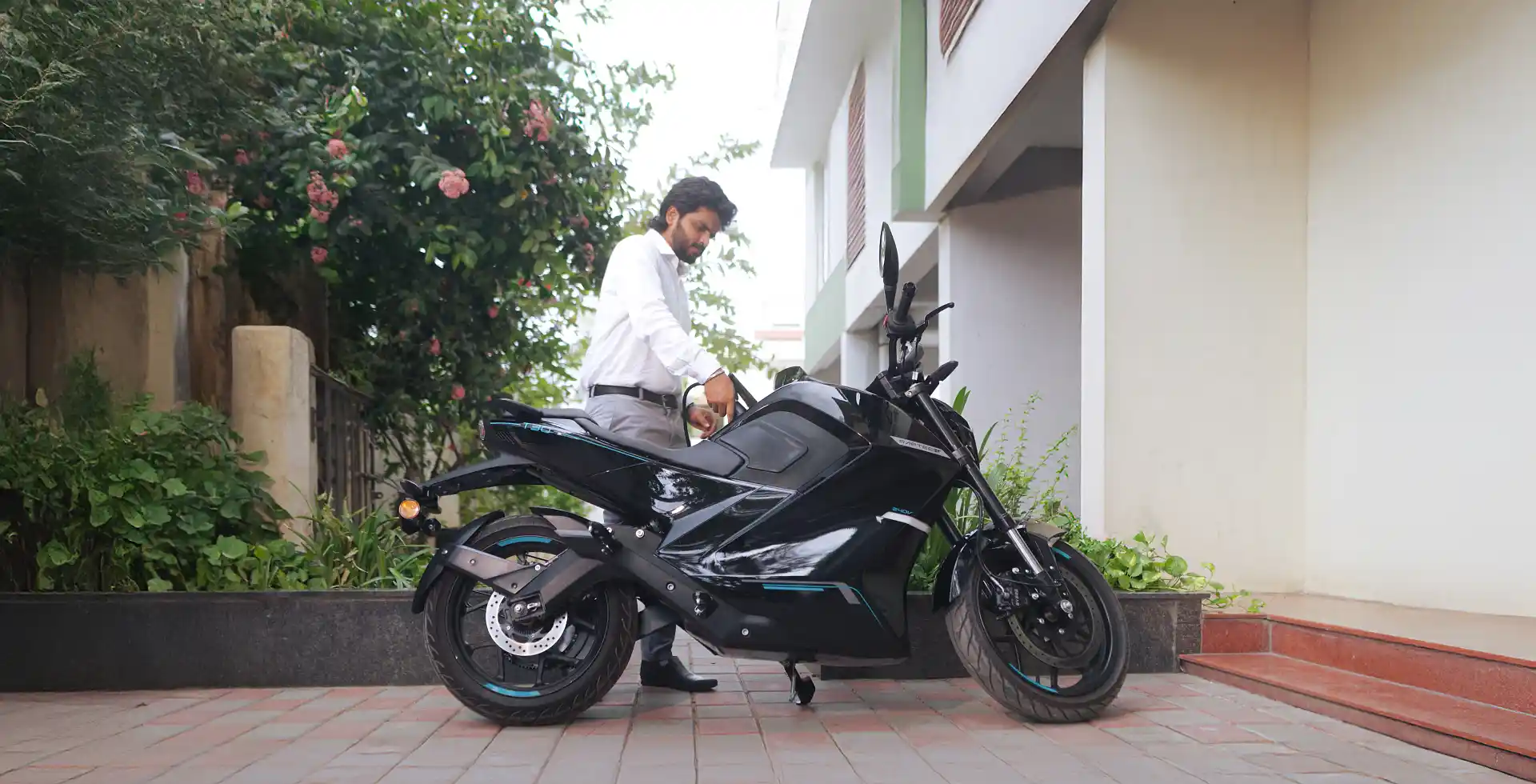
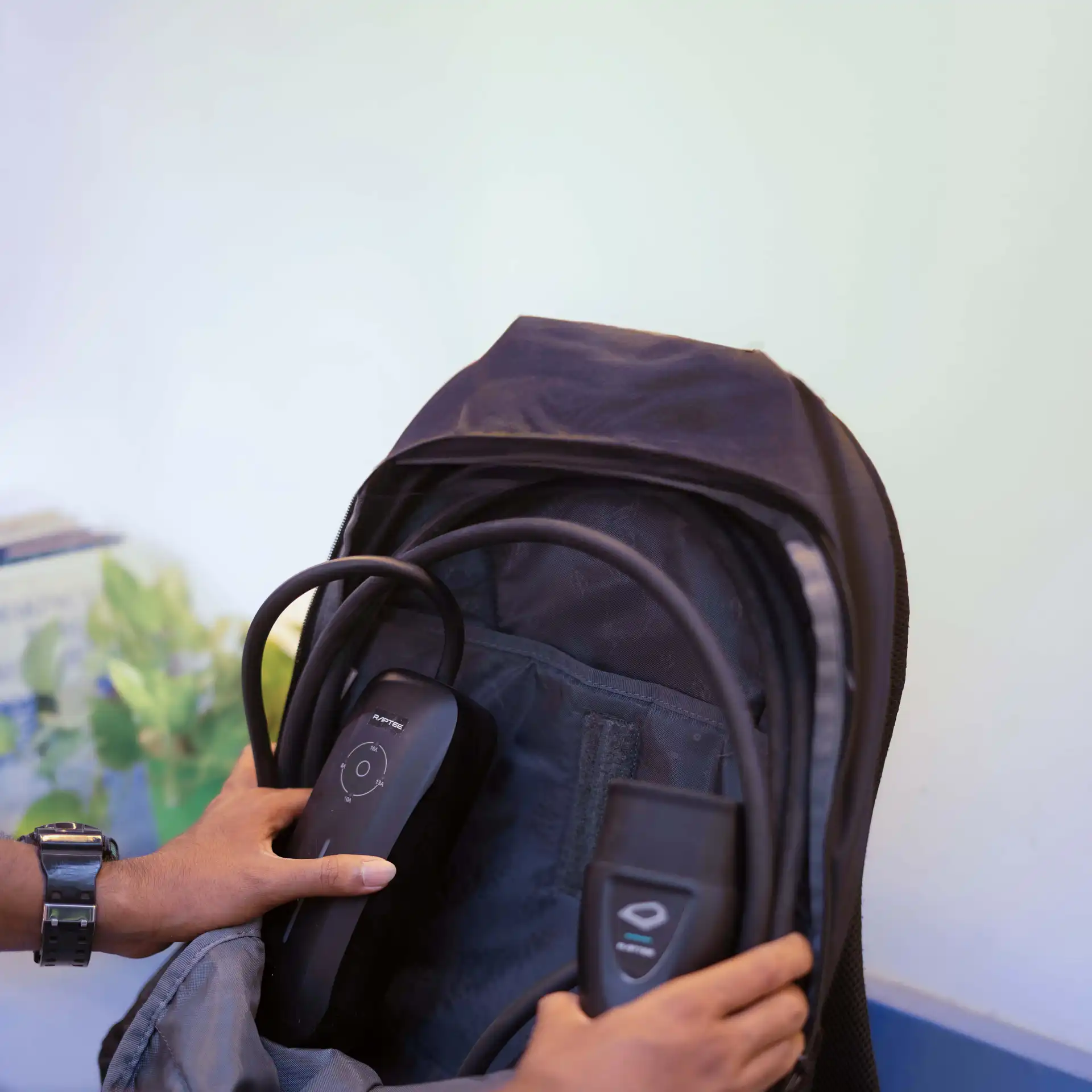
B2B contracts favor fleet vehicles with built-in high-voltage AC onboard chargers. Responders can recharge at standard commercial 15A outlets or industrial sockets without specialized depot hardware.
Modern tenders require real-time CAN telemetry feeds. Service controllers receive live diagnostic battery data prior to technician departure, ensuring 95%+ first-time rescue resolution.
Understanding the engineering vector of EV roadside assistance service equipment allows purchasing teams to future-proof investments against rapid technological obsolescence.
Emerging emergency service standards utilize high-voltage direct DC-to-DC transfer from responder vehicles into stranded EVs. By bypassing AC conversion losses, energy transfer efficiency exceeds 92%, transferring 5 kWh of range in under 12 minutes.
Integrating artificial intelligence algorithms into fleet management operating systems allows roadside assistance providers to monitor thermal anomalies and cell voltage deviations remotely, triggering preemptive roadside warnings before full vehicle shutdown occurs.
Founded in 2019 in Chennai, India—the hub of global automotive manufacturing—Raptee.HV bridges the gap between commercial electric mobility requirements and high-performance automotive engineering.
We build our motorcycles and emergency power systems on high-voltage car technology standards, guaranteeing continuous high-speed cruising and fast charging compatibility.
Native CCS2 fast charging eliminates proprietary charger lock-ins, enabling fleet operators to charge rescue vehicles at any public DC fast-charging station globally.
We stand behind our high-voltage battery architecture with an industry-leading 8-year or 80,000 km manufacturer warranty, ensuring low long-term asset risk for commercial buyers.
From specific siren/emergency light integration to custom fleet telematics API hooks, our engineering team provides end-to-end ODM/OEM delivery tailored to international market regulations.
Ready to upgrade your EV roadside assistance service fleet infrastructure?Discuss bulk vehicle procurement, custom OEM emergency specifications, or distribution partnerships with our engineering sales team.
Key engineering metrics for B2B fleet buyers, municipality tender evaluation committees, and emergency service operators.
Note: Range figures are calculated according to the Indian Driving Cycle (IDC). Real-world range depends on payload, weather conditions, auxiliary power usage, and speed profile. Fleet customization options available upon request.
Seamlessly link emergency response drivers, dispatch centers, and maintenance personnel into a single intelligent cloud ecosystem.
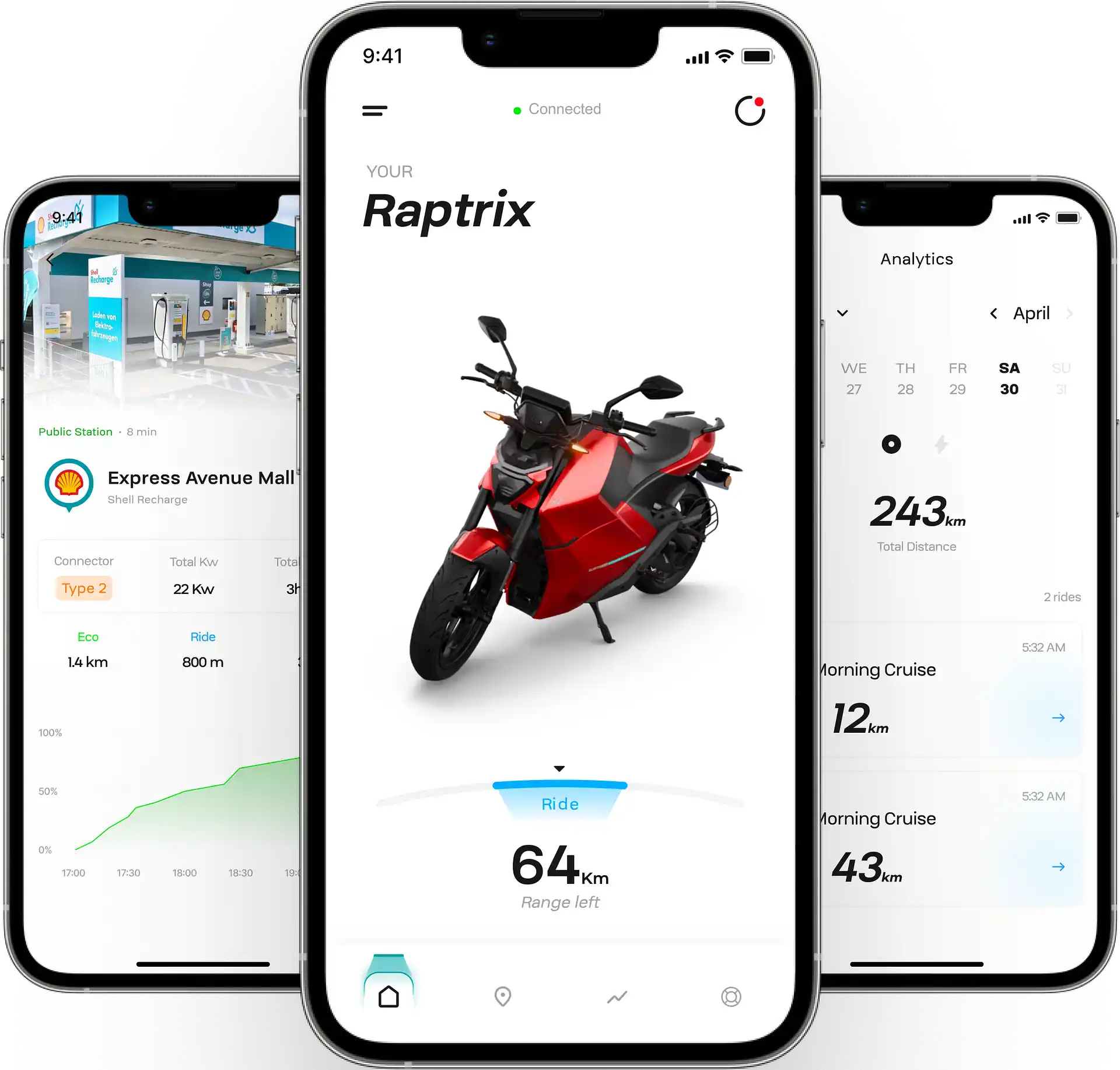
Monitor live vehicle health, battery temperature profiles, battery state of charge (SoC), and location across your entire EV roadside assistance fleet. Receive automated CAN-bus diagnostic flags the moment a unit experiences abnormal voltage, minimizing field breakdowns.
Examine the high-voltage chassis ergonomics, sharp aerodynamic panels, and compact footprint engineered for agile emergency fleet maneuvers.
Answers to key queries raised by global procurement directors, municipal buyers, and fleet managers searching for EV emergency service solutions.
Contact UsConnect directly with Raptee.HV engineering specialists to request bulk pricing, custom OEM rescue specifications, or sample fleet evaluation units.