Standard-setting electric two/three-wheelers, high-voltage powertrain systems, swappable LiFePO4 modules, CATL blade battery packs, CCS2 fast chargers, and smart 4G OBD2 telematics for global distribution.
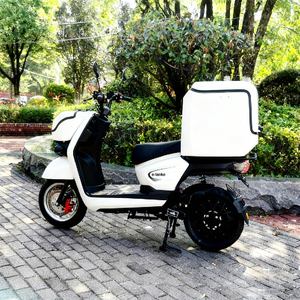
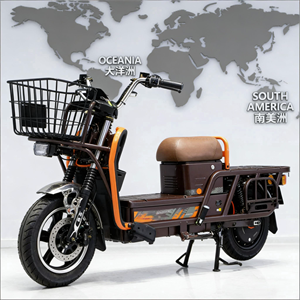
As global transportation rapidly transitions toward sustainable zero-emission mobility, China has solidified its position as the world's primary innovation hub for OEM/ODM Electric Vehicle (EV) platforms, high-voltage powertrains, advanced lithium battery manufacturing, and smart fleet telematics.
The global demand for electric two-wheelers, commercial cargo delivery vehicles, and urban passenger EVs is undergoing a fundamental structural shift. Historical low-voltage (48V–60V) scooter architectures are rapidly giving way to automotive-grade High-Voltage (HV) platforms operating at 72V up to high-voltage passenger vehicle standards. Leading OEM/ODM manufacturers in China are now integrating car-grade electronics, high-efficiency Permanent Magnet Synchronous Motors (PMSM), and standardized CCS2 fast-charging interfaces directly into light electric vehicle frames.
This technical evolution solves the primary bottlenecks faced by international distributors, fleet operators, and brand owners: thermal degradation under sustained high speeds, slow charging turnarounds, fragmented aftermarket support, and battery degradation. By leveraging high-density CATL blade-type ternary cells and heavy-duty LiFePO4 battery chemistry, Chinese platform exporters provide unmatched volumetric energy efficiency, rigorous UN38.3 battery safety compliance, and lower total cost of ownership (TCO) across commercial logistics applications.
Traditional electric two-wheelers rely on high-current, low-voltage electrical systems. High current generates severe thermal buildup, causing thermal throttling, melted harness connectors, and accelerated battery degradation. Chinese HV platforms rewrite these engineering rules.
By increasing system operating voltage while lowering current draw, HV platforms drastically reduce resistive heat loss ($I^2R$). This enables sustained 110–135 km/h high-speed cruising without thermal output cuts or motor overheating.
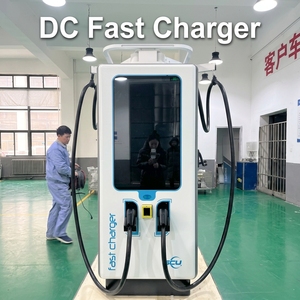
Eliminating proprietary wall chargers, modern Chinese platform exports natively integrate Automotive CCS2 DC fast-charging protocols. Riders can tap directly into public electric car charging infrastructure for a 20% to 80% charge in ~36 minutes.
Offering dual-mode flexibility, platforms support both ultra-fast DC charging and instant battery swapping. High-density CATL blade-type ternary cells and safe LiFePO4 chemistries guarantee up to 3,500+ charge cycles and 8-year operational lifespans.
Navigating global market regulations, battery technology shifts, and fleet connectivity standards over the next 5 to 10 years.
Global regulators in Europe (EEC/CoC), Latin America, and Southeast Asia are increasingly standardizing charging ports. Sourcing vehicle platforms with onboard chargers compatible with CCS2 car stations eliminates infrastructure fragmentation and future-proofs fleet investments.
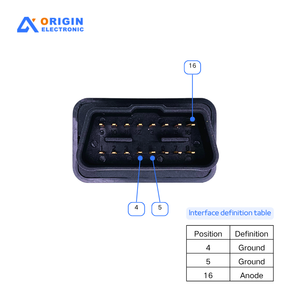
Modern commercial logistics require factory-installed 4G OBD2 CAN-bus tracking modules. Real-time AGPS live positioning, remote diagnostic error code reading, geofencing, and over-the-air (OTA) firmware update capabilities are now mandatory OEM specifications.
Last-mile delivery is shifting toward heavy cargo electric motorcycles and trikes equipped with 8000W high-torque hub/mid-drive motors. Modular dual-battery systems (up to 300Ah capacities) ensure full-day heavy-load delivery operations without range anxiety.
Direct structural comparison across light urban commuter, commercial delivery, high-performance roadster, and charging infrastructure platforms.
| Platform Category | Nominal Voltage / Capacity | Motor Power / Speed | Battery Cell Architecture | Charging Interface | Target Application |
|---|---|---|---|---|---|
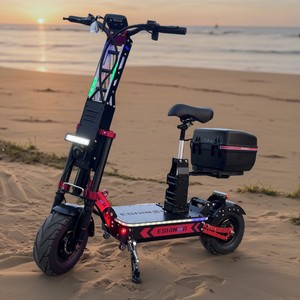
| High-Voltage Roadster Platform | 72V - 100V / 5.4 kWh Pack | 22 kW Peak / 135 km/h | Automotive High-Voltage Ternary | Universal CCS2 DC Fast Charge | Urban Roadster / Highway Sport |
| Commercial Delivery (R8 Series) | 72V / 40Ah - 100Ah | 8000W / 100 km/h | Swappable LiFePO4 / Ternary | Standard AC + Fast Swappable Port | Heavy Logistics / Last-Mile Cargo |
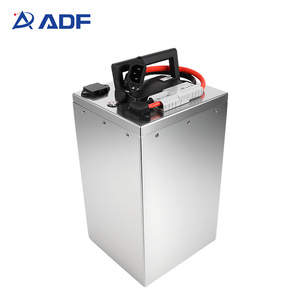
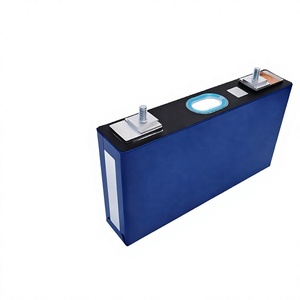
| CATL Blade Battery System | 37V / 95Ah Modular | Scalable Multi-Module | CATL Blade-Type Ternary | Direct Swap / BMS Plug & Play | 2-Wheel / 3-Wheel E-Vehicles |
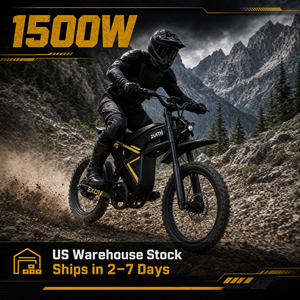
| Off-Road Motocross (ZUMI) | 52V / Dual Battery System | 1500W High Torque | Dual Removable Lithium Pack | Onboard Smart AC Charger | Adult Motocross / Off-Road Pit |
| Ultra-Fast DC Station (SCU) | Output 200V - 1000V DC | 80kW to 480kW Output | Grid-Tied Solar Storage Compatible | Dual CCS2 Floor-Mounted Plugs | Commercial Fleet Fast Charge Hubs |
Engineered in state-of-the-art automated manufacturing facilities, backed by international homologation standard compliance, and protected by industry-leading warranties.
From frame geometry design, plastics injection molding, custom ECU software calibration, to private label branding, our engineering teams provide complete turn-key product development tailored to your regional market requirements.
Our complete vehicle platforms and electrical components carry full international safety certifications (EEC/CoC L3e/L1e, DOT, CE, UN38.3, MSDS), enabling seamless vehicle registration and customs clearance across EU, US, and global markets.
We stand firmly behind our manufacturing quality. Key high-voltage battery modules receive up to 8 years or 80,000 km of factory cover, alongside a 3-year structural vehicle warranty and localized technical training for your service technicians.
Everything importers, distributors, and commercial fleet directors need to know about ordering, compliance, battery swap ecosystems, and fast charging.
HV platforms utilize automotive-grade electrical architectures (typically 72V to high-voltage standards) rather than conventional 48V/60V systems. Higher voltage allows the vehicle to achieve equivalent or greater power output with significantly reduced electrical current. This eliminates thermal degradation during continuous high-speed driving (up to 135 km/h) and enables direct integration with public CCS2 automotive DC fast chargers.
Yes. Select high-performance platforms natively support the CCS2 (Combined Charging System 2) standard used by electric cars across Europe, Asia-Pacific, and Latin America. This allows riders to recharge from 20% to 80% in approximately 36 minutes at standard DC fast-charging plazas.
CATL blade-type ternary lithium batteries offer extreme volumetric energy density, enabling longer range (up to 200 km) in compact chassis formats. Swappable LiFePO4 battery modules offer maximum chemical stability, thermal safety, and an operational lifecycle exceeding 3,000–3,500 full cycles, making them ideal for high-intensity commercial delivery fleets.
Absolutely. As leading OEM/ODM manufacturers, we provide complete industrial customization including custom bodywork colorways, logo branding, dashboard software localization, custom motor tuning, gearing ratios, and integrated IoT telemetry configurations based on your bulk procurement requirements.
The waterproof IP65 4G OBD2 tracker connects directly to the vehicle’s CAN-bus network. It transmits real-time telemetry—including battery State of Charge (SoC), cell temperature, AGPS location, riding diagnostics, and geofencing alerts—to a cloud platform accessible via customized Android/iOS applications or third-party fleet API webhooks.
Standard sample orders and small trial batches start from 5 to 10 units for evaluation. Full container loads (20FT / 40HQ SKD/CKD) typically have a production lead time of 25 to 35 days, inclusive of strict factory quality inspection and UN38.3 battery shipping certification.
Connect with our senior automotive engineering and export team today to receive detailed technical whitepapers, factory-direct OEM/ODM pricing, and sample evaluation packages.

