High-performance powertrains, intelligent controllers, lithium energy solutions, and 4G IoT telematics exported globally.
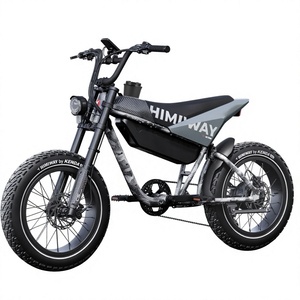
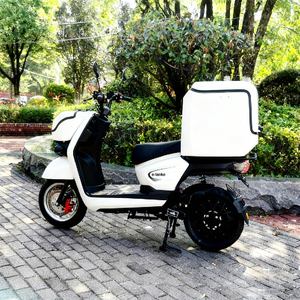
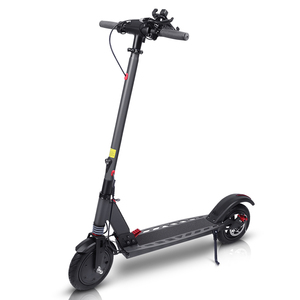
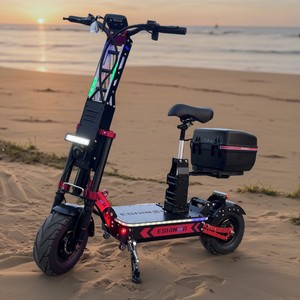

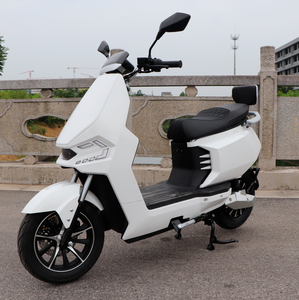
The global transition toward electrified mobility—spanning urban micro-mobility, commercial delivery fleets, high-voltage streetfighters, and heavy-duty passenger EVs—has placed the Electric Vehicle Motor Controller (MCU / Inverter) at the very center of automotive engineering. As the technological brain of the electric vehicle drivetrain, the motor controller converts direct current (DC) from high-voltage battery packs into precise three-phase alternating current (AC) to drive permanent magnet synchronous motors (PMSM) or AC induction motors.
China has established absolute dominance in the manufacturing and technological export of EV controllers. Driven by massive domestic market scale, vertical supply chain integration, and aggressive R&D into wide-bandgap semiconductors such as Silicon Carbide (SiC) MOSFETs and Gallium Nitride (GaN) switches, Chinese EV controller suppliers provide unprecedented value, functional safety (ISO 26262 ASIL-D compliance), and algorithmic sophistication.
When selecting a top China Electric Vehicle Controller supplier or exporter, Tier-1 automotive integrators and original equipment manufacturers must evaluate several foundational technical metrics:
To establish competitive advantages in international markets, China's leading exporter factories have advanced beyond simple square-wave (trapezoidal) controllers into highly intelligent, dual-core microcontroller-driven motion platforms. Below is an exhaustive breakdown of core control technologies currently engineered for export:
Designed for two-wheelers, urban commuters, and delivery vehicles ranging from 350W to 8000W. Field-Oriented Control decodes rotor angle via Hall sensors or resolver feedback to maintain precise flux control. Eliminates mechanical vibration, extends motor lifespan, and boosts riding range by up to 15% through optimized regenerative braking algorithms.
Tailored for high-performance electric motorcycles (like 135 km/h streetfighters) and light electric commercial vehicles. Operating across 300V–800V DC bus rails, these car-grade architectures reduce current draw, dramatically limiting heat generation and enabling native support for public CCS2 DC fast charging infrastructure.
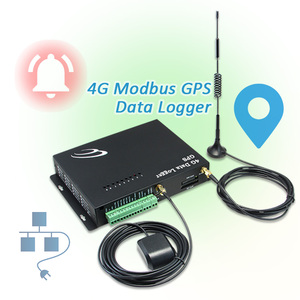
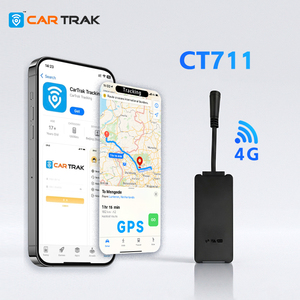
Combining the Vehicle Control Unit (VCU), Battery Management System (BMS) interface, 4G GPS tracking logger, and Modbus/CAN bus communication onto a unified PCB layout. Provides real-time remote telemetry, geofencing safety locks, over-the-air (OTA) software updates, and predictive diagnostics.
With solid-state battery technology achieving energy densities of 320Wh/kg and above using Li2S electrolytes, top Chinese suppliers are customizing controller firmware to manage ultra-flat discharge curves, high dynamic charging rates, and rapid pulse discharge currents.
As global environmental regulations tighten and consumer demand for high-speed, long-range electric transport surges, purchasing leaders and supply chain directors must realign their procurement strategies with emerging industry trends originating from Chinese manufacturing hubs:
Traditional Silicon IGBTs are rapidly being replaced by Silicon Carbide (SiC) MOSFETs in high-power motor controllers. SiC technology lowers switching losses by up to 70%, operates efficiently at elevated temperatures (up to 200°C), and supports higher switching frequencies. This enables suppliers to reduce controller enclosure volume by 40% while raising overall drive system efficiency above 99%.
Instead of utilizing discrete, isolated electronic control units for motor management, dashboard displays, lighting, and GPS security tracking, modern electric vehicle architectures are consolidating into unified Zone Controllers (VCU/MCU integration). This reduces wiring harness weight, eliminates signal latency, lowers bill-of-materials (BOM) costs, and simplifies international compliance testing (such as EEC, CE, and DOT standards).
B2B fleet operators—particularly commercial delivery scooter operations and shared micro-mobility networks—increasingly demand controllers featuring embedded 4G/5G telematics module support. Through secure cloud APIs, exporters enable fleet managers to customize throttle maps, set speed limits remotely based on local geofencing regulations, analyze battery state-of-health (SoH), and push OTA firmware patches without requiring physical workshop access.
High-power electric motorcycles are transitioning away from slow, heavy external chargers toward integrated onboard charging systems capable of directly interfacing with automotive-grade CCS2, NACS, or Type 2 DC fast-charging infrastructure. Chinese controller suppliers are engineering high-voltage DC-DC converters and AC-DC inverter bridges directly into the controller casing, allowing two-wheelers to recharge from 20% to 80% in approximately 36 minutes at public car charging stations.
Partnering with China's leading electric vehicle controller suppliers grants global buyers direct access to world-class manufacturing standards, extensive customization flexibility, and robust supply chain resilience. Our enterprise production facilities embody decades of specialized power electronics expertise:
Fully compliant with ISO/TS 16949 and ISO 9001 quality management standards. Every controller undergoes automated optical inspection (AOI), high-voltage isolation breakdown testing, full-load burn-in testing, and thermal shock chamber cycling.
From custom CAN bus protocol mapping and custom voltage range tuning (24V up to 800V) to specialized mechanical heatsink designs, our engineering team provides complete hardware and software tailormade solution services.
Our complete electric vehicle controllers, scooters, telemetry tracking loggers, and lithium power systems hold comprehensive international certifications including EEC, CE, RoHS, FCC, and UN38.3 transport safety validation.
Whether you require high-speed off-road motorcycle controllers, smart delivery scooter powertrains, advanced solid-state battery solutions, or 4G GPS fleet management logging hardware, our manufacturing infrastructure delivers reliable performance backed by comprehensive warranties (up to 8 years or 80,000 km battery coverage support).
Essential insights for B2B procurement managers, EV engineers, and global importers.
High-voltage controllers (operating across 300V-800V architectures rather than conventional 48V-72V low-voltage systems) utilize lower phase current to deliver equivalent or superior motor power output. Lower current minimizes electrical resistance losses and dramatically reduces operational heat generation. This ensures sustained high-speed output (e.g., maintaining 110–135 km/h over extended highway distances without thermal throttling) and enables native compatibility with car-grade CCS2 DC fast-charging networks.
Yes. Leading Chinese suppliers provide extensive OEM/ODM firmware customization services. Our engineering teams can integrate custom CAN 2.0B, CANopen, J1939, or Modbus RTU communication protocols, ensuring seamless plug-and-play interoperability between the controller, dashboard instruments, smart BMS, digital throttle, and 4G IoT telematics hardware.
Smart 4G GPS vehicle tracking loggers connect directly to the controller's serial or CAN/Modbus interface. They continuously harvest high-frequency telemetry data including real-time vehicle speed, motor temperature, phase current, battery state-of-charge (SoC), and fault error codes. This telemetry is transmitted to cloud management servers, granting fleet operators real-time visibility, automated maintenance alerts, and remote anti-theft engine shutdown capabilities.
For commercial delivery e-scooters and off-road motorcycles operating under severe weather conditions, controllers must meet minimum IP67 water and dust ingress ratings. High-end automotive units feature die-cast aluminum housings sealed with silicone gaskets and waterproof automotive-grade connectors (such as Amphenol or Deutsch standards), achieving IP69K protection against high-pressure jet washing and temporary submersion.
Sample prototype orders for engineering evaluation, software matching, and bench testing typically require 7 to 14 business days. Mass production lead times for bulk container exports range from 25 to 35 days depending on component availability, custom enclosure tooling requirements, and specific international homologation testing (EEC/CE).

