



The Strategic Evolution of Custom OEM Connected Mobility Factories
As global transportation transitions toward electrification and intelligence, traditional two-wheeler and light electric vehicle (LEV) OEMs face an unprecedented architectural shift. The era of isolated mechanical assembly is over; modern mobility demands fully integrated ecosystems bridging High-Voltage (HV) powertrains, cloud telematics, over-the-air (OTA) diagnostics, and universal fast-charging standards like CCS2 and GB/T.
135 km/h
HV Platform Top Speed
200 km
IDC Certified Range
36 min
20-80% CCS2 Fast Charge
8 Years
Automotive Warranty
⚙️
Car-Grade High-Voltage (HV) Architecture
Most low-power electric two-wheelers operate on 48V–72V low-voltage systems that require heavy currents to sustain elevated speeds. This generates severe thermal stress, triggering automatic power throttling. Our OEM connected mobility manufacturing platform transitions two-wheelers to car-grade High-Voltage (HV) architectures (up to 200V+ direct bus). Higher voltage reduces operating current, eliminating overheating and guaranteeing sustained 110–130 km/h cruising performance without thermal degradation.
📡
Cloud-Native Telematics & Edge Computing
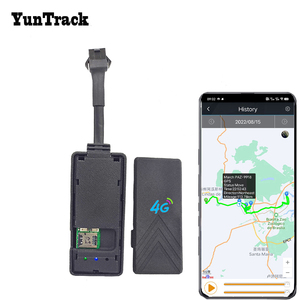
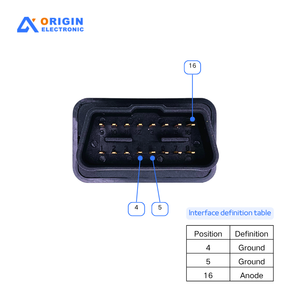
Connecting physical vehicle hardware to digital cloud infrastructures enables real-time fleet intelligence. Our factory integration encompasses CAN 2.0B / SAE J1939 protocols, 4G LTE IoT gateways, embedded OBD2 telematics, and cryptographic hardware security modules (HSM). Vehicles continuous beam granular diagnostic telemetry—cell-level BMS status, motor controller thermal mapping, and geofencing triggers—directly to white-label iOS/Android applications and enterprise fleet management consoles.

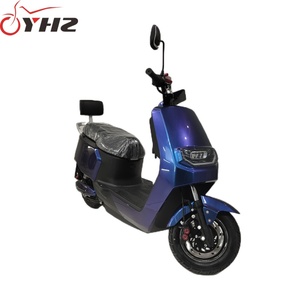
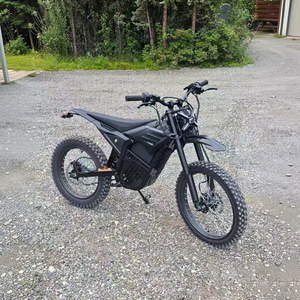
Figure 1.1: High-Voltage Drivetrain Validation – Sustained power delivery without thermal throttling on urban & highway test tracks.
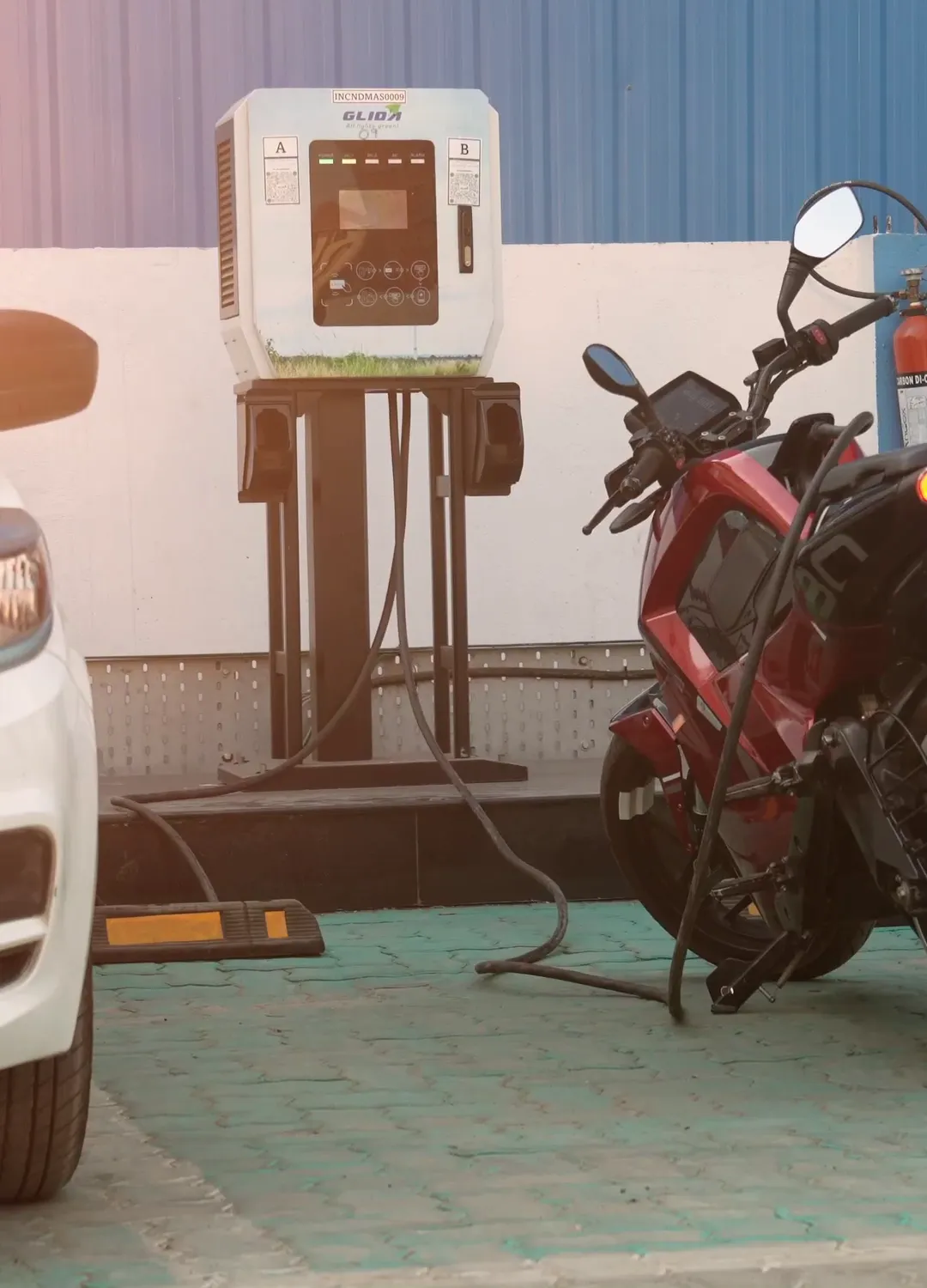
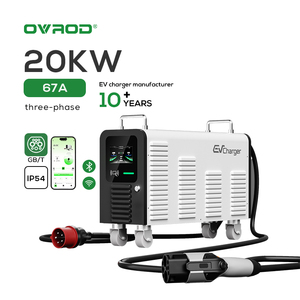
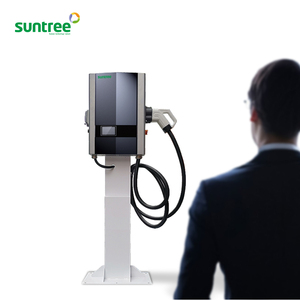
Figure 1.2: Universal CCS2 DC Fast Charging – Enabling 2-wheelers to access existing public automotive charging networks worldwide.
Full-Stack OEM / ODM Engineering Capabilities
Our custom manufacturing factories operate under automotive-grade quality standards (IATF 16949 / ISO 9001). We provide turnkey customization across four core technical pillars: Powertrain, Energy Storage, Connected Telematics, and Charging Infrastructure.
1. HV Powertrain & Motor
Integration of 22 kW peak-power IPM (Interior Permanent Magnet) motors paired with liquid or high-efficiency air-cooling jackets. 70 Nm instantaneous torque delivering 0–60 km/h acceleration in under 3.5 seconds. Customized gear reduction ratios tuned for urban agility or high-speed highway endurance.
2. Smart BMS & Battery Packs
Automotive-grade NMC 811 prismatic cell packs (5.4 kWh standard, expandable modular configurations). Integrated smart BMS with active balancing, CAN bus communication, dynamic state-of-charge (SoC) estimation algorithms, and multi-tier electrical isolation protection compliant with UN 38.3 and ISO 26262 ASIL-B safety standards.
3. Universal Charging Protocols
Native hardware support for CCS2 (Combined Charging System Type 2), GB/T, and custom DC fast-charging standards. Onboard 3.3 kW AC chargers allowing standard wall socket topping in 1 hour (20–80%), alongside 36-minute public DC fast-charging capability.
Factory Technical Benchmark Specification Matrix
| Engineering Subsystem | Standard Factory Spec | OEM / ODM Customization Options | Compliance & Certifications |
|---|---|---|---|
| Electric Motor | 22 kW Peak / 70 Nm Torque | Power scaling (10 kW – 45 kW), custom housing, dual-motor setups | CE, ISO 26262, IP67 Waterproofing |
| Battery Storage | 5.4 kWh NMC Prismatic (3.7V Cells) | LFP / NMC Chemistries, 48V–200V custom pack geometries, dual-battery swap | UN 38.3, IEC 62133, UL 2580 |
| Telematics / IoT | 4G LTE Cat-1 / OBD2 / BLE 5.2 / GPS | 5G NR modules, custom CAN baud rates, custom cloud API integration | FCC, RoHS, RED, E-Mark |
| Charging Interface | CCS2 Combo / GB/T / Onboard AC | NACS (Tesla standard) adoption, custom plug locks, 20 kW – 40 kW DC piles | OCPP 1.6J / 2.0.1, IEC 61851 |
| Human Machine Interface | 17.7 cm (7-inch) TFT Touchscreen | Custom Linux/Android OS skinning, anti-glare glass, capacitive touch options | Automotive EMC, IP65 Front Panel |
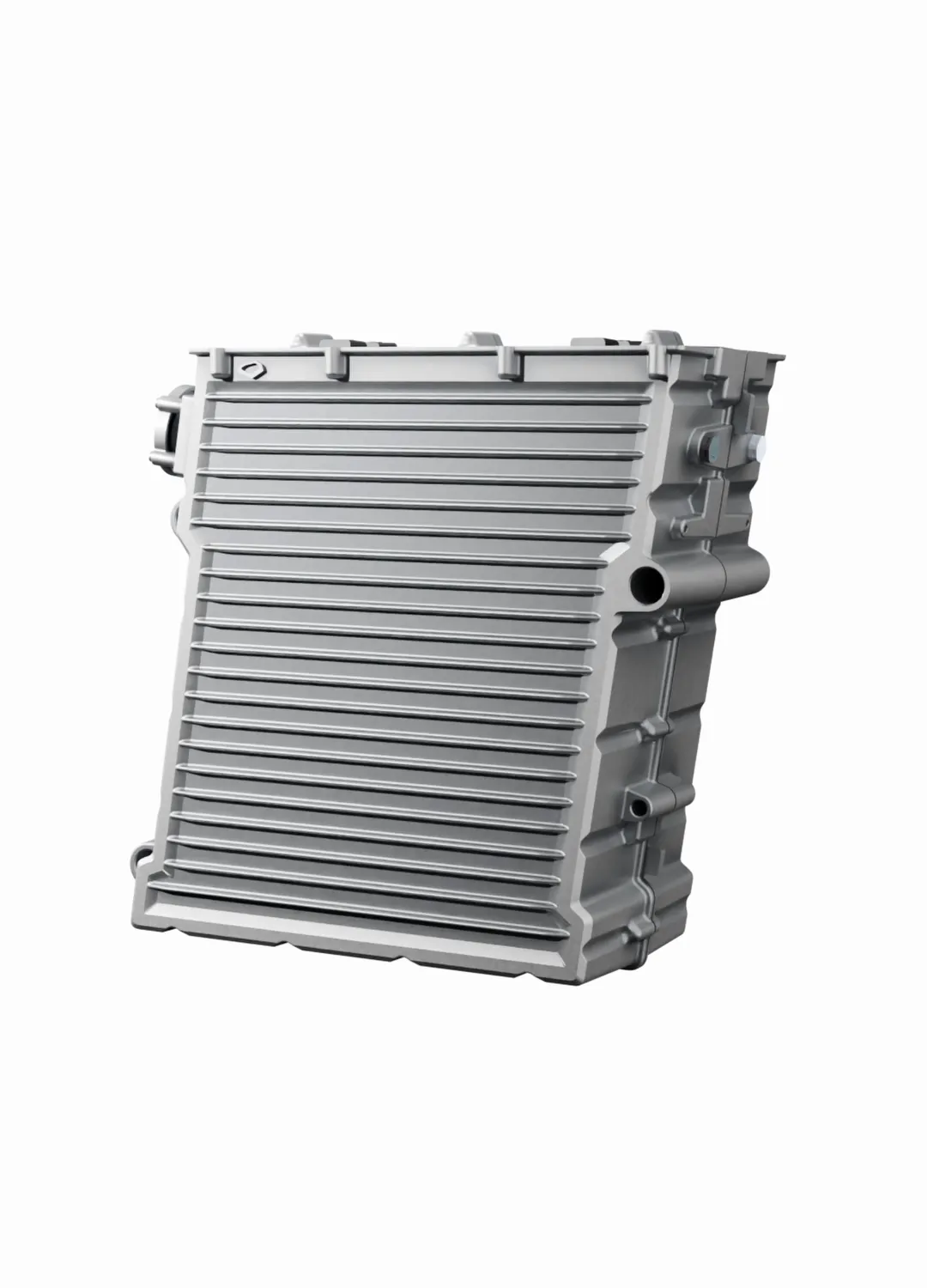
Figure 2.1: 8-Year / 80,000 km Battery Reliability Benchmark – Stress-tested across dynamic thermal ambient ranges (-20°C to 55°C).
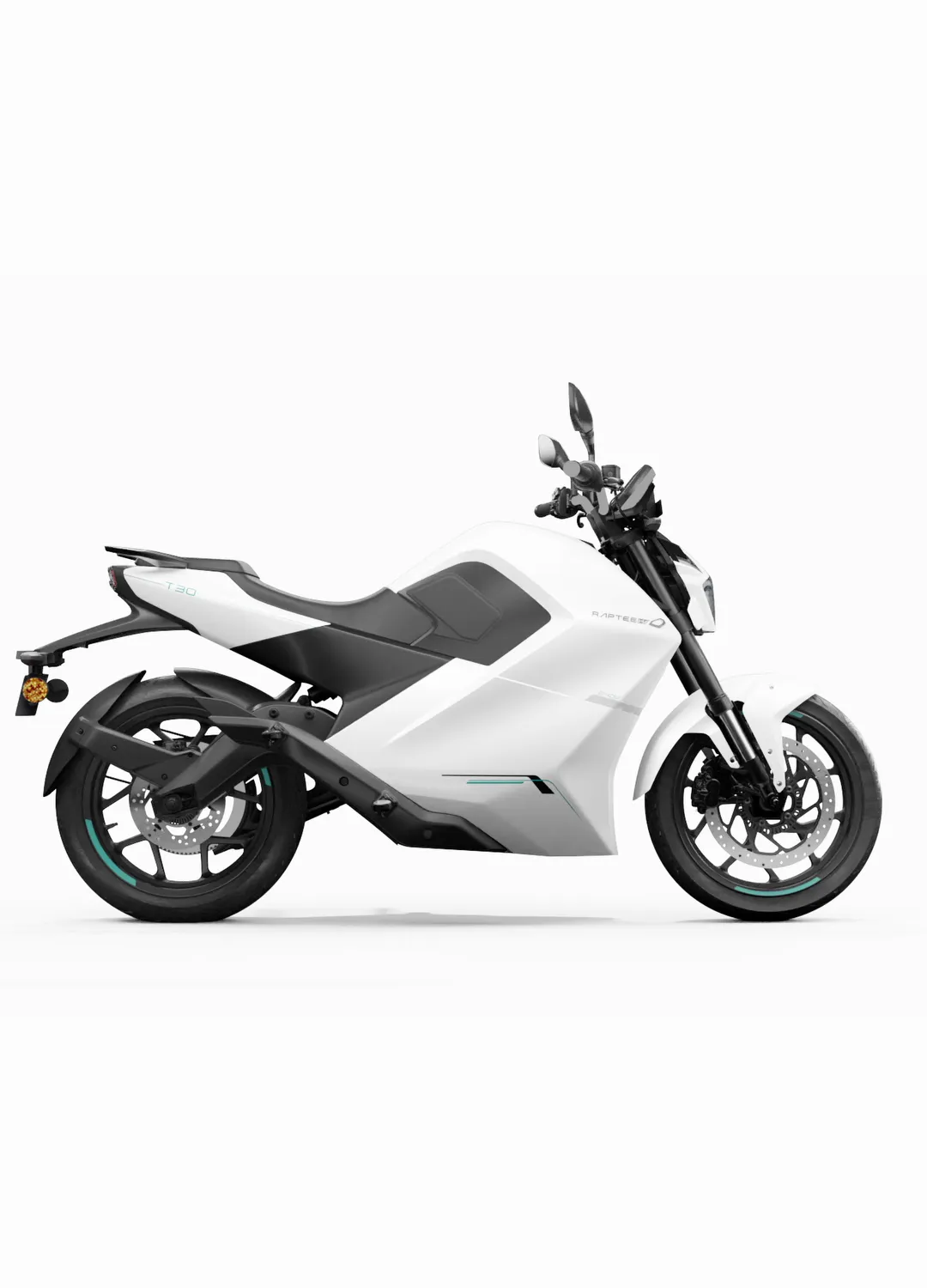
Figure 2.2: Modular Component Assembly – Streamlined drivetrain components drastically reducing Total Cost of Ownership (TCO) for commercial fleets.
Future Sourcing & Procurement Trends in Connected Mobility
B2B buyers, regional brand distributors, and municipal mobility operators must align their supply chain strategies with rapid global regulatory shifts and technological advancements. Key procurement vectors include:
1. Mandatory Automotive Fast-Charging Convergence
Proprietary wall chargers are rapidly becoming obsolete. Regulatory bodies in Europe, North America, and Asia-Pacific are standardizing public charging infrastructure around CCS2, NACS, and GB/T protocols. Procurement managers are now explicitly requiring light electric vehicles to feature native DC fast-charging handshakes (ISO 15118 / DIN 70121). Sourcing vehicles equipped with car-compatible charging hardware ensures immediate compatibility with tens of thousands of existing public charging stations, eliminating the need for OEMs to build capital-intensive private charging networks.
2. Software-Defined Vehicles (SDV) & Recurring Value Streams
Modern connected mobility platforms turn hardware into software delivery mechanisms. Sourcing smart-terminal-enabled vehicles allows brand owners to deploy subscription-based features post-sale—such as enhanced riding modes, advanced anti-theft geofencing algorithms, dynamic navigation, and remote diagnostics. Enterprise fleet buyers gain unprecedented control through real-time telematics dashboards that monitor driver behavior, optimize route efficiency, and execute preventive battery maintenance before field failures occur.
3. ESG Sourcing & Battery Passport Traceability
With incoming regulations like the EU Battery Regulation, global buyers require full supply-chain transparency. Our OEM manufacturing facilities integrate blockchain-based material tracking for lithium, nickel, and cobalt. Each battery module is provisioned with a digital "Battery Passport" logging origin, state-of-health (SoH) history, carbon footprint metrics, and second-life recycling suitability.
4. Modular White-Label Turnkey Frameworks
Time-to-market is the single largest metric driving competitive advantage. Developing an EV platform from scratch typically requires 36+ months and tens of millions in R&D. By leveraging our pre-homologated OEM connected mobility platforms, international brands can customize exterior body plastics, TFT firmware branding, app user interfaces, and ECU parameter tuning to launch market-ready vehicles in under 6 to 9 months.
Integrated Telematics, Cockpit & Cloud Architecture
Hardware performance is optimized through intelligent software orchestration. Our connected mobility factory integrates hardware-level telematics units directly into the vehicle harness.
📱
Multi-Device Connectivity
Seamless synchronization between smartphone app, smartwatch Bluetooth keys, and the vehicle's 7-inch TFT touchscreen. Features include proximity auto-unlock, turn-by-turn vector navigation, incoming call filtering, and remote security alerts.
🔄
Over-The-Air (OTA) Updates
Dual-bank flash memory architecture ensures safe, fail-secure OTA firmware updates for the VCU (Vehicle Control Unit), BMS, MCU, and Infotainment system without requiring workshop visits.
🛡️
Geofencing & Anti-Theft
High-sensitivity AGPS/GLONASS tracking paired with 3-axis accelerometer sensors detects unauthorized movement, triggering instant remote motor lock, alarm sirens, and smartphone push notifications.
Frequently Asked Questions by OEM & B2B Importers
Common inquiries regarding customization, factory production workflows, quality control, and regional homologation support.
What minimum order quantities (MOQ) apply to custom OEM connected mobility vehicles?
Our standard factory MOQ for white-label vehicle manufacturing starts at 50 units for evaluation batches and 200+ units for full production runs. For standardized telematics hardware (such as 4G OBD2 trackers or standalone BMS modules), MOQs start at 500 units with custom firmware branding.
How does the high-voltage (HV) architecture benefit commercial fleet operators compared to 72V systems?
HV architecture dramatically reduces electrical currents required to achieve high power outputs. Lower current leads to minimal thermal dissipation, preventing thermal throttling during sustained high-speed operations. Additionally, HV enables direct compatibility with public CCS2 automotive fast chargers, allowing fleets to recharge 20–80% in 36 minutes rather than waiting 4–6 hours on conventional AC charging.
Can your factory assist with regional homologation (EEC / DOT / CE / E-Mark)?
Yes. All standard platform components (lighting, braking systems, structural frames, electrical insulation, and battery safety) are pre-engineered to meet EEC L7e/L3e standards, US DOT requirements, and CE guidelines. Our regulatory team assists OEM partners with sample testing, technical dossier preparation, and factory audit documentation.
What levels of software and dashboard UI customization are supported?
We offer full-stack software customisation. This includes custom boot logos and UI themes on the 7-inch TFT dashboard, custom branded iOS/Android mobile apps, white-label cloud management API endpoints, and custom telemetry data frequency mapping for existing enterprise ERP systems.
How are battery packs protected against extreme environmental conditions?
Our NMC 811 prismatic battery packs feature IP67-rated laser-welded aluminum enclosures. They are equipped with internal thermal insulation pads, pressure relief valves, and dynamic thermal management algorithms monitored continuously by the intelligent BMS to operate reliably from -20°C up to +55°C ambient temperatures.
What warranty and spare parts support does the factory provide to international distributors?
We back our platform with an industry-leading 8-Year / 80,000 km battery pack warranty and a 3-Year / 30,000 km overall vehicle platform warranty. Distributors receive dedicated spare-parts inventory buffers (MCU, VCU, harness, plastics) alongside factory technical training for local service technicians.
Why Partner with Our Connected Mobility Solution Factory
Combining advanced robotics, automotive-grade quality control, and deep full-stack engineering expertise to deliver world-class electric vehicles and IoT hardware.
🏭
IATF 16949 Production Lines
State-of-the-art automated assembly plants featuring high-precision automated surface mount technology (SMT), robotic laser welding for battery modules, and automated end-of-line (EOL) electrical testing.
🔬
Rigorous QA & Environmental Testing
Every vehicle and IoT gateway undergoes HALT/HASS stress testing, vibration analysis, salt-spray corrosion resistance validation, and dynamic dyno tuning prior to packaging.
🌐
Global Supply Chain Resilience
Direct tier-1 strategic sourcing partnerships for semiconductors, NMC battery cells, and structural alloys ensure stable lead times, transparent pricing, and long-term component availability.