Explore our flagship OEM/ODM electric motors, high-voltage powertrain systems, EV chargers, and IoT telematics engineered for global wholesale distribution.
The global transition toward electrification across personal mobility, commercial transport, and specialized light vehicles has fundamentally shifted the technical requirements for electric motor manufacturing. As a premier China Wholesale High Power Motor Factory & Supplier, our manufacturing complex operates at the intersection of automotive-grade power electronics, precision stator-rotor mechanical assembly, and advanced electromagnetic design. High-power motors—typically rated from 8kW to 22kW peak and beyond—demand sophisticated thermal dissipation architectures, minimal cogging torque, high volumetric power density, and robust insulation systems capable of enduring prolonged thermal stress.
Traditional low-voltage electric two-wheelers rely on basic low-voltage (48V–72V) hub or mid-drive motors. However, global market demand is accelerating toward high-power, high-voltage architectures (up to 300V+ systems). High-voltage drive systems yield dramatic operational benefits: by elevating operational voltage, line current is substantially reduced for equivalent power output. Lower current minimizes thermal ohmic losses ($I^2R$), drastically suppresses phase cable heat, eliminates power degradation under sustained top speeds (such as 120 km/h to 135 km/h highway cruising), and enables full compatibility with public automotive CCS2 DC fast-charging networks.
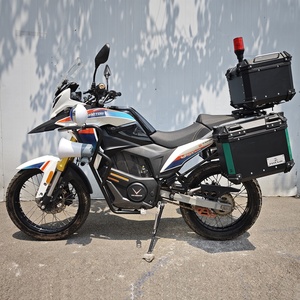
Engineered to leverage car-grade high voltage for reduced operational thermal stress and consistent power delivery without thermal throttling.
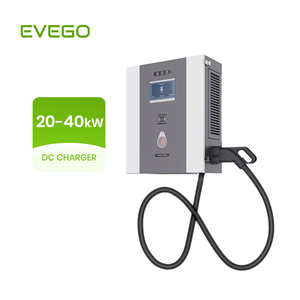
Seamless integration with public electric vehicle charging stations, enabling 20% to 80% fast charging in approx. 36 minutes.
Tailored stator laminations, custom shaft geometry, bespoke phase windings, and flexible mounting flanges for diverse vehicle platforms.
Our manufacturing footprint features state-of-the-art automated production lines dedicated to Permanent Magnet Synchronous Motors (PMSM) and Brushless DC (BLDC) powertrains. Adhering strictly to IATF 16949 automotive quality management protocols, our facilities integrate precision automated coil winding, vacuum pressure impregnation (VPI) for superior insulation integrity, automated dynamic balancing, and end-of-line robotic testing workstations.
Building a world-class high-power electric motor requires uncompromised component selection and stringent structural engineering. Our factory utilizes high-grade silicon steel laminations (0.2mm to 0.35mm ultra-thin sheets) to drastically diminish eddy current losses at elevated electrical frequencies. Permanent magnets are constructed from high-coercivity Neodymium Iron Boron (NdFeB) grade N45SH or N48H, capable of withstanding working temperatures up to 150°C to 180°C without irreversible demagnetization.
In addition to raw electromagnetic performance, structural durability is verified through end-to-end environmental stress testing: IP67 and IP6K9K ingress protection validation, 3D vibration endurance simulation, salt-spray anti-corrosion coating application, and extended thermal cycling tests. This rigorous approach ensures that our wholesale high-power motors excel in extreme environments—from dusty off-road enduro paths to humidity-dense tropical urban transit conditions.
| Performance Metric | Conventional Low-Voltage Motor (48V - 72V) | High-Power HV Motor (Car-Grade 300V+) | Commercial B2B Impact |
|---|---|---|---|
| Phase Cable Current Density | Very High (>250A peak) | Low to Moderate (<70A peak) | Dramatically reduces wiring weight, copper cost & ohmic heat. |
| Sustained Top Speed Performance | Derates due to thermal accumulation after 3-5 min | Continuous performance at 120-135 km/h | Essential for highway-legal electric motorcycles & ADV bikes. |
| Fast Charging Compatibility | Proprietary slow AC chargers only | Direct CCS2 DC public fast-charging network support | Eliminates range anxiety; unlocks commercial fleet utilization. |
| System Thermal Efficiency | 82% - 88% average operational efficiency | 92% - 96.8% peak motor-inverter efficiency | Extends battery range up to 20% on equivalent kWh capacity. |
| Battery Warranty Alignment | 3 Years / 30,000 km standard limit | Up to 8 Years / 80,000 km automotive standard | Boosts consumer trust and dealer distributor margins. |
As international regulatory frameworks enforce strict carbon neutrality targets and urban mobility shifts toward high-speed electrification, global B2B buyers must align with upcoming technological transitions in electric motor design. Below are the key engineering vectors shaping the high-power motor wholesale market:
Replacing traditional round wire distributed windings with rectangular copper conductor "hairpin" windings increases the slot fill factor from approximately 45% up to 70%+. This structural evolution minimizes stator slot air gaps, significantly improves thermal conduction from copper coils to the outer aluminum casing, and elevates continuous power density by 20% to 30% without increasing the motor housing dimensions.
The integration of high-frequency Silicon Carbide (SiC) MOSFET inverters operating at switching frequencies above 20 kHz minimizes motor harmonics, reduces iron core losses, and allows motors to run cooler and quieter. High-power motor suppliers capable of delivering matched motor-inverter-controller packages present a major purchasing advantage for OEM vehicle manufacturers.
Modern high-power motors are no longer standalone mechanical components. The market demands intelligent drive units embedded with real-time CAN-bus telematics, temperature monitoring sensors, dynamic flux weakening control algorithms, and remote Over-The-Air (OTA) firmware upgrade capability. This connected infrastructure permits fleet managers to track motor thermal health, predict maintenance windows, and dynamically adjust power delivery profiles remotely.
Electric vehicle charging is converging around universal DC fast-charging standards. Forward-looking light electric vehicle (LEV) brands and motorcycle manufacturers are moving away from proprietary low-power chargers. Equipping high-power electric motorcycles with car-grade onboard converters and CCS2 interfaces allows riders to utilize existing fast-charging stations (20–80% charge in ~36 minutes), opening vast commercial opportunities for international importers and regional distributors.
Navigating bulk motor procurement, factory selection, and technical customization requires clarity on production, certification, and technical specifications. Below are answers to the primary inquiries raised by enterprise procurement officers and OEM engineering teams.