Explore our industrial-grade high-voltage electric motorcycles, universal CCS2 fast chargers, smart NCM/LFP swappable battery modules, and 4G CAN-bus telematics data loggers designed for global B2B procurement.
Analyzing the shift from legacy low-voltage (48V–72V) platforms to automotive-grade high-voltage (HV) systems for enterprise fleets, urban roadsters, and heavy-capacity commercial mobility.
For over a decade, global electric two-wheeler manufacturers relied heavily on low-voltage (48V, 60V, and 72V) hub-motor configurations. While adequate for lightweight 25 km/h mopeds, low-voltage systems suffer from fundamental thermal limitations when applied to heavy-duty e-motorcycles required to maintain 110–135 km/h highway speeds or haul substantial payload capacities.
Under Joule’s First Law ($P = I^2 R$), generating high power output (e.g., 15kW to 22kW peak) at lower voltages demands massive current draw ($I$). Extreme amperage leads to severe copper losses ($I^2R$ heating) in stator windings, battery terminals, and MOSFET inverter bridges. Consequently, traditional low-voltage e-motorcycles trigger aggressive thermal throttling within 5 to 10 minutes of continuous high-speed cruising, severely reducing performance, acceleration, and component lifespan.
As China’s leading heavy-duty e-motorcycle OEM supplier, our engineering division has pioneered the adaptation of automotive-grade High-Voltage (HV) power distribution platforms (ranging from elevated 96V/120V nominal architectures up to specialized car-grade HV networks). By elevating system operating voltage, current flow for equivalent wattage output is reduced by up to 60–70%.
This dramatic reduction in current minimizes thermal dissipation across the entire drivetrain. As confirmed by independent motoring benchmarks and long-distance durability testing, high-voltage streetfighter roadsters maintain continuous output at sustained speeds of 120 km/h without thermal derating, while supporting direct integration with universal CCS2 DC fast-charging networks originally built for passenger electric cars.
Our state-of-the-art manufacturing facilities combine advanced automotive-grade robotics, stringent quality assurance (ISO 9001 & ISO 26262), and modular OEM/ODM engineering customization.
Integrated Liquid-Cooled IPM (Interior Permanent Magnet) and Synchronous Reluctance Motors delivering up to 22 kW peak power and 70 Nm of instantaneous axle torque from zero RPM.
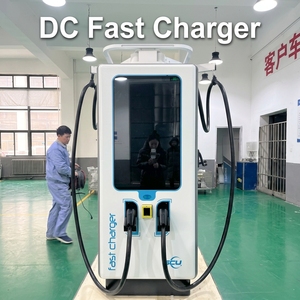
Native compatibility with public DC fast-charging infrastructure. Refuel heavy-duty motorcycle battery packs from 20% to 80% SOC in just 36 minutes without proprietary dongles.
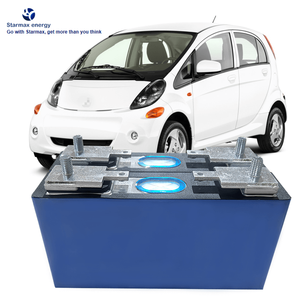
High-energy density NCM 811 prismatic cells engineered with smart BMS thermal management, guaranteed for 8 years or 80,000 km for unmatched long-term fleet asset protection.
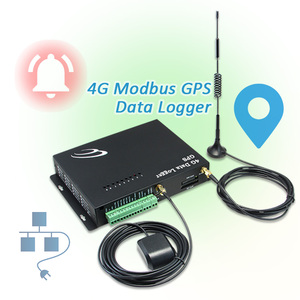
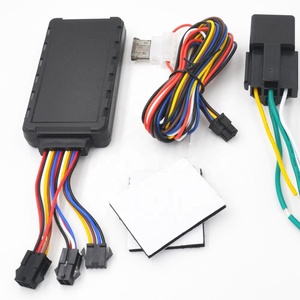
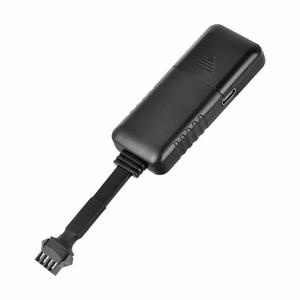
Onboard Modbus/CAN-bus tracking modules with 4G LTE Cat-1/Cat-M connectivity allow real-time fleet diagnostics, remote geofencing, and cloud-based OTA firmware updates.
Complete regulatory compliance turn-key assistance for global markets, including EEC/CoC (Europe), DOT/FMVSS (North America), CE, UN38.3, and ISO 9001 automotive standards.
Strategic foresight for international distributors, commercial fleet operators, government agencies, and brand importers planning multi-year electric fleet transitions.
Procurement departments are abandoning isolated, slow AC home-charging platforms in favor of Universal CCS2 Combo DC Fast Charging. Fleet buyers no longer need to build private, low-voltage charging depots. Heavy-duty e-motorcycles built on high-voltage architecture utilize existing public car-charging networks, dramatically lowering upfront capital expenditure (CAPEX) for municipal and last-mile delivery fleets.
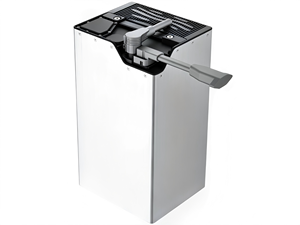
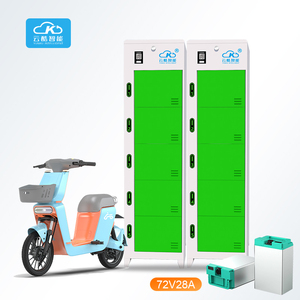
Commercial mobility procurement is bifurcating into two distinct operational paradigms: high-capacity fixed high-voltage batteries (5.4 kWh – 10 kWh) with CCS2 direct charging for long-distance highway patrol and premium streetfighters; and 72V/96V modular swappable battery packs coupled with 5-slot automated swapping kiosks for 24/7 continuous urban logistics.
Hardware performance is now tightly coupled with real-time software diagnostics. Commercial buyers demand open API access to onboard CAN-bus telematics data loggers. Features such as remote battery state-of-health monitoring, predictive maintenance alerts, driver behavior scoring, and OTA (Over-The-Air) torque mapping updates are mandatory RFP requirements in 2025 global tenders.
Energy density demands are accelerating the adoption of ternary NCM (Nickel-Cobalt-Manganese 811) prismatic cells and advanced LFP (Lithium Iron Phosphate) chemistries with zero thermal runaway propagation. Future procurement cycles prioritize battery packs engineered with structural Cell-to-Pack (CTP) designs to maximize range without adding vehicle curb weight.
An inside look at our engineering lab's breakthroughs in powertrain efficiency, smart cockpit integration, and structural lightweight design.
By replacing traditional Silicon IGBTs with wide-bandgap Silicon Carbide (SiC) MOSFET inverter controllers, power switching losses are reduced by up to 70%, boosting overall battery-to-wheel power efficiency to over 97.5% under heavy load conditions.
Modern heavy-duty motorcycles feature integrated 7-inch automotive TFT touchscreens running specialized operating systems (such as Raptee OS). These displays fuse turn-by-turn vector navigation, real-time battery cell health data, and smartphone BLE/Wi-Fi pairing onto a single IP67-rated platform.
Eliminating heavy battery enclosure modules, CTC technology embeds battery prismatic cells directly into the vehicle's aluminum alloy trellis frame. This design lowers the center of gravity, improves high-speed cornering stability, and reduces dry curb mass by 18%.
Detailed responses to common engineering, commercial, and logistical queries from international buyers, importers, and fleet managers.
Heavy-Duty electric motorcycles are engineered with high-output powertrains (typically 10kW to 22kW+ continuous/peak rating), high operating voltages (96V up to automotive HV levels), reinforced frame geometries, and advanced thermal management systems. They are built to achieve sustained top speeds exceeding 110–135 km/h, carry significant rider/cargo payloads, and operate reliably under demanding highway or commercial fleet duty cycles.
Our high-voltage electric motorcycles integrate an onboard automotive-grade CCS2 (Combined Charging System Type 2) inlet and controller. This allows the motorcycle to communicate directly with public DC fast chargers using ISO 15118 / DIN 70121 protocols. The charger supplies direct high-current DC power straight to the high-voltage battery, replenishing 20% to 80% capacity in approximately 36 minutes.
Yes. As a direct manufacturer, we offer comprehensive OEM and ODM services. This includes custom bodykit tooling, customized paint colorways, laser-etched branding, custom battery capacity configurations (LFP vs. NCM cells), software interface branding on the 7-inch TFT touchscreen, and tailored firmware tuning for torque/speed limits according to regional laws.
Standard heavy-duty models come with a manufacturer-backed 8-year or 80,000 km battery pack warranty, along with a 3-year or 30,000 km comprehensive vehicle warranty. For enterprise fleet accounts, we also supply spare parts packages (controllers, BMS boards, body plastics, brake pads), remote engineer technical training, and priority API telematics support.
Our 4G LTE CAT1/CATM telematics data loggers connect directly to the motorcycle's CAN-bus network via Modbus protocols. They transmit real-time telemetry—including precise GPS location, battery State-of-Charge (SOC), cell temperature, speed, error codes, and crash detection alerts—to your proprietary central server or cloud fleet management platform via REST APIs or MQTT protocols.
Our manufacturing facilities operate under ISO 9001 quality management systems. Our vehicle models hold or are pre-tested for EEC Whole Vehicle Type Approval (WVTA) / CoC for European road registration, DOT compliance for the United States, CE certification for electronic sub-assemblies, and UN38.3 / MSDS documentation for international lithium battery transport.
Accelerate your market expansion with our automotive-grade high-voltage platforms, CCS2 charging infrastructure, and flexible OEM/ODM manufacturing capability. Request complete whitepaper specifications, wholesale pricing schedules, and evaluation samples today.

