

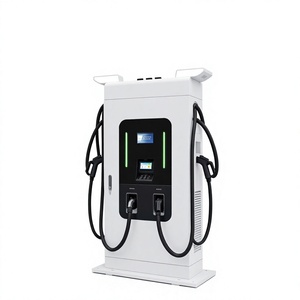
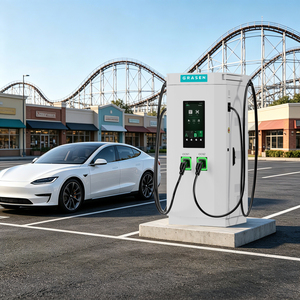
As the global powersports industry accelerates toward zero-emission powertrains, international importers, regional distributors, and enterprise fleet managers face a structural transition. Legacy low-voltage (48V–72V) e-scooter platforms are rapidly reaching their physical and thermal performance limits. Next-generation demand has shifted toward Car-Grade High-Voltage (HV) Architecture, mega-watt level DC fast-charging compatibility (CCS1/CCS2/CHAdeMO/GBT), and solid-state energy storage integration. This technical report establishes actionable procurement benchmarks for B2B stakeholders sourcing top-tier electric sport motorcycles and EV infrastructure directly from China's leading OEM/ODM manufacturing facilities.
Explore our curated portfolio of export-ready high-voltage streetfighters, off-road motocross platforms, solid-state battery solutions, and commercial fast-charging stations designed for international compliance.

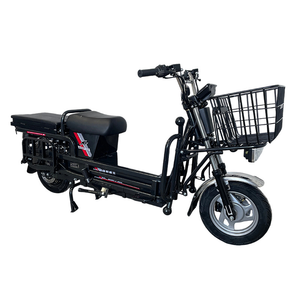
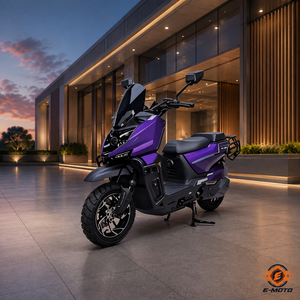
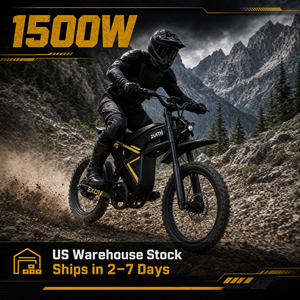
Historically, the electric two-wheeler market has relied on low-voltage DC setups (48V to 72V). While efficient for low-speed urban mopeds, LV systems inherently falter under high-performance sportbike demands. Physics dictates that Power = Voltage × Current ($P = V \times I$). To deliver 22 kW to 50 kW of peak acceleration on a 72V system, amperage must exceed 300A to 600A. High current generates extreme resistive heat ($I^2R$ losses), triggering aggressive thermal throttling, accelerating cell degradation, and necessitating bulky, heavy copper wiring harnesses.
China's premier electric motorcycle factories are spearheading the migration to Automotive-Grade High-Voltage Platforms (200V–400V+). By tripling system voltage, operating current drops significantly for equivalent power output. This architectural evolution delivers three decisive market advantages:
Comparative analysis for global importers evaluating factory procurement specifications.
| Technical Parameter | Legacy E-Sportbike (72V System) | Next-Gen High-Voltage (HV) Sportbike | Solid-State Enterprise Solution |
|---|---|---|---|
| Nominal System Voltage | 72V - 96V DC | 240V - 350V HV Architecture | 300V+ Solid-State Matrix |
| Peak Motor Output | 8 kW - 12 kW | 22 kW - 45 kW Continuous | 50 kW+ Hyper-Drive |
| 0 to 60 km/h Acceleration | 5.2 - 6.5 Seconds | 3.5 Seconds or Less | < 2.8 Seconds |
| Charging Protocol | Proprietary Wall Adapter (4-6 Hours) | Universal CCS1/CCS2 DC Fast Charge | Ultra-Fast 480kW Depot Charger |
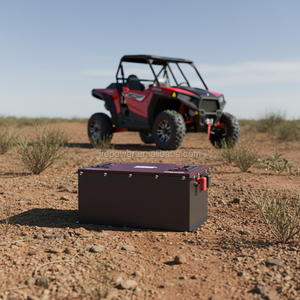
| Battery Cell Technology | Standard NCM / LiFePO4 Liquid Cell | High-Density NCM Cylindrical / Pouch | Li2S Semi-Solid / All-Solid State (320Wh/kg) |
| Thermal Management | Passive Air Cooled | Active Liquid Cooled / Phase Change | Advanced Hydro-Graphene Cooling |
| BMS & Telematics | Basic CAN Communication | Automotive ECU, OTA Updates, Raptee OS | Cloud AI Predictive Telematics |
Key market forces shaping international distribution contracts, homologation, and fleet compliance over the next decade.
Regional markets (EU, North America, Southeast Asia) are mandating standardized charging ports. Importers are abandoning proprietary connectors in favor of CCS2 car-grade compatibility to leverage public fast-charging networks.
Commercialization of Li2S electrolyte solid-state chemistry (320 Wh/kg+) allows factory manufacturers to double range capabilities (200 km+ IDC range) without adding frame mass or sacrificing chassis agility.
Modern fleet procurement requires full CAN-bus IoT integration. Integrated 7-inch TFT displays with Over-The-Air (OTA) firmware updating capabilities ensure software longevity, remote diagnostics, and anti-theft geofencing.
Tier-1 Chinese factories are backing automotive-grade cells with 8-year or 80,000 km battery warranties, lowering Total Cost of Ownership (TCO) and making electric fleets more viable for commercial operations.
To bypass local import tariffs and minimize freight logistics cost per unit, top exporters offer Semi-Knocked-Down (SKD) and Completely Knocked-Down (CKD) assembly kits supported by complete factory tooling support.
Global distributors must report full supply chain sustainability. Leading manufacturers provide transparent ISO14001 compliance, clean cell recycling pathways, and carbon-neutral production verification.
China commands over 80% of the world’s electric vehicle lithium-ion battery manufacturing capacity, motor fabrication infrastructure, and power-electronics supply chains. Partnering directly with an established high-voltage electric motorcycle factory grants international enterprise buyers unparalleled competitive leverage:
Clear, expert answers to key technical questions raised by international distributors, fleet buyers, and OEMs.