Engineered for high reliability, global interoperability, and modular expansion. Explore our flagship chargers, battery packs, and intelligent telematics.
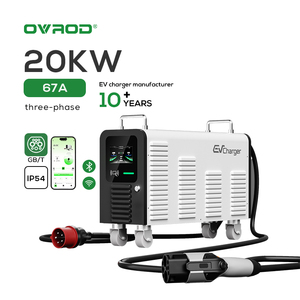

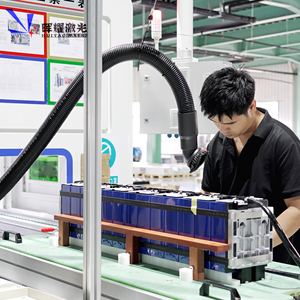
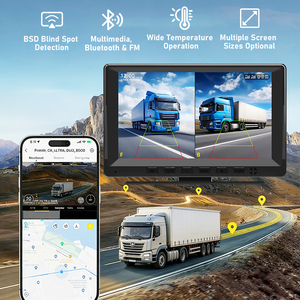
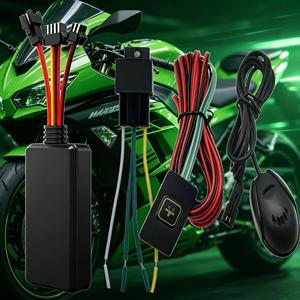
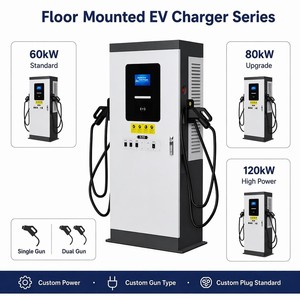
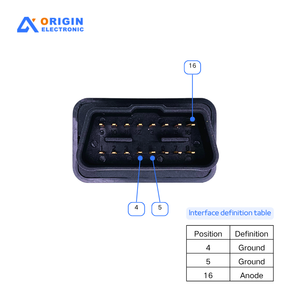
From automotive-grade high-voltage power conversion stacks to multi-standard protocol controllers, China's manufacturing ecosystem offers unmatched cost efficiency, thermal endurance, and technological velocity.
Departing from low-voltage limitations, modern smart charging piles feature high-voltage topology derived from EV passenger car standards. Higher operational voltages reduce current intensity, dramatically suppressing thermal accumulation and preventing power degradation during peak commercial output.
Our commercial fast-charging platforms seamlessly integrate European CCS2, Japanese CHAdeMO, and Chinese GB/T interfaces. Featuring dynamic matrix power switching, dual guns dynamically split 60kW to 120kW+ to charge two vehicles simultaneously without electrical conflict.
Hardware is unified with flexible software management. Built-in OCPP connectivity enables seamless binding with global CPO (Charging Point Operator) platforms, billing gateways, dynamic load balancing (DLB), and real-time remote telemetry for fleet management.
Engineered with IP65-rated stainless enclosures, IK10 vandal protection, anti-corrosion cabinet treatments, and automated insulation testing, our infrastructure thrives in extreme climates ranging from Middle Eastern deserts (-30°C to 55°C) to coastal humidity.
As commercial EV adoption accelerates globally, procurement directors are shifting focus from standalone hardware cost to total lifecycle operating efficiency and grid compatibility.
Commercial fleet operators and highway charging hubs are rapidly specifying 800V silicon carbide (SiC) power modules over legacy 400V systems. Procurement in 2025 and beyond heavily favors modular charging stacks that allow operators to scale output dynamically from 60kW to 360kW without swapping base station chassis.
Grid constraints present the biggest bottleneck to charging depot expansion. International procurement tenders now strictly mandate real-time Dynamic Load Balancing (DLB) algorithms. Chargers must automatically throttle individual port power based on local transformer capacity, avoiding expensive utility upgrades.
The future of charging stations lies in "Solar-Storage-Charging" integrated systems. Procurement requests are surging for hybrid DC chargers directly coupled with stationary lithium-ion battery packs (including emerging solid-state solutions), buffering local electrical grids during peak demand hours.
The intersection of telematics, advanced electrochemistry, and AI cloud computing is redefining smart charging from a simple plug-and-charge outlet to an intelligent energy nodule.
With energy densities breaching 320 Wh/kg through solid Li2S sulfide electrolytes, solid-state cell integration requires chargers capable of handling precise, pulse-free charging profiles to safeguard micro-crystal solid interlayers during rapid 15-minute top-ups.
Incorporating 4G OBD2 telematics, satellite trackers, and smart dashcams directly into fleet operations gives operators real-time visibility into state-of-health (SoH), thermal performance, and predictive maintenance schedules before hardware failures happen on the road.
Vehicle-to-Grid (V2G) technology transforms connected electric fleets into distributed energy reserves. Modern Chinese exporters lead the development of ISO 15118-20 compliant bidirectional DC power chargers that feed energy back to grid networks during extreme peak events.
Key answers regarding certification standards, custom OEM/ODM hardware manufacturing, protocol compliance, and global delivery times.
Whether you require custom OEM DC fast chargers, solid-state battery engineering solutions, or integrated fleet telematics, our engineering specialists are ready to support your market expansion.

