Engineered for high-intensity last-mile delivery, fleet rental operations, and heavy cargo transit. Certified with EEC/CoC standards for global deployment.
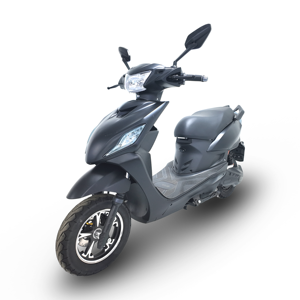
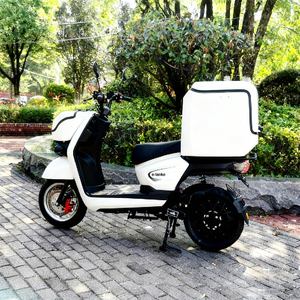
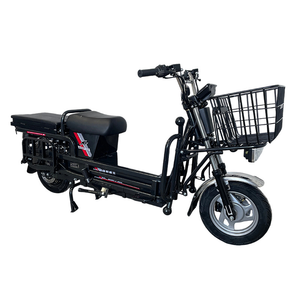
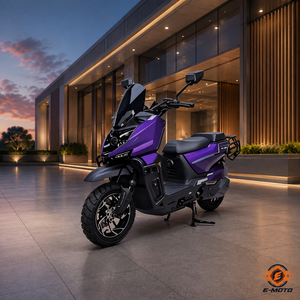
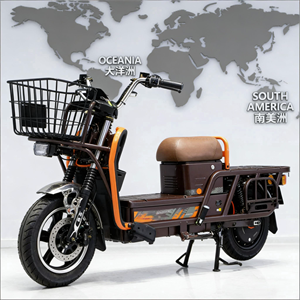
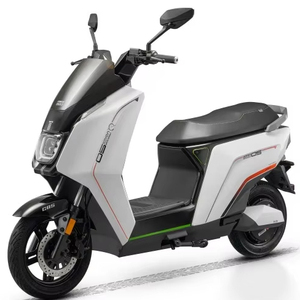
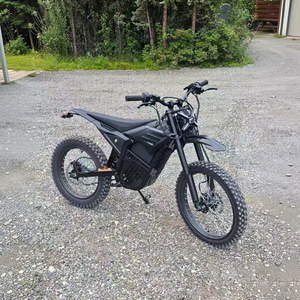
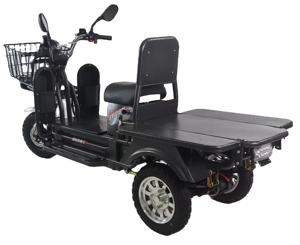
As global carbon neutrality targets tighten and urban logistics demand surges, commercial electric two-wheelers (E2Ws) have transitioned from alternative transport to mission-critical infrastructure for last-mile delivery, parcel express, and B2B fleet leasing networks worldwide.
China stands at the apex of global commercial electric vehicle manufacturing, controlling over 80% of the worldwide E2W industrial supply chain. Sourcing commercial-grade electric motorcycles and cargo scooters directly from tier-1 Chinese exporters offers global importers, logistics companies, and OEM brands an unparalleled structural advantage. Unlike passenger e-scooters, commercial two-wheelers are subject to rigorous operational profiles: operating 12 to 16 hours daily, covering 150km to 300km per shift, and bearing continuous dynamic loads between 150kg and 500kg.
Engineered to meet these grueling industrial requirements, leading Chinese manufacturers have developed proprietary frame geometries, heavy-duty carbon steel chassis, integrated CAN-bus telemetry, and automotive-grade high-voltage battery architecture. Procurement decision-makers must look beyond simple aesthetic designs and evaluate factory manufacturing standards, BMS stability, torque density of brushless motors, and international legal certifications.
Combining automotive-grade engineering with scalable smart factory production lines to deliver uncompromising reliability for commercial fleet operators globally.
Utilizing car-grade high-voltage (HV) power distribution systems and CCS2 fast-charging capability. Higher voltage reduces electrical current, minimizing thermal build-up and ensuring zero power loss under prolonged heavy load operations.
Fully verified with European Economic Community (EEC) CoC standards, DOT approvals, and ISO9001 quality systems. We handle VIN assignment, lighting certifications, and braking compliance (CBS/ABS) for instant legal road registration.
Constructed with high-yield carbon steel cold-drawn tubing, double hydraulic rear shocks, and widened rear swingarms capable of supporting continuous dynamic payloads up to 500kg without frame distortion.
Integrated 4G IoT modules featuring remote OBD diagnostics, geofencing, anti-theft ignition locks, ride data analytics, and Over-the-Air (OTA) firmware updating for automated fleet maintenance schedules.
Equipped with Lithium Iron Phosphate (LFP) or high-density NCM cell configurations. Smart BMS provides thermal monitoring, active cell balancing, overcharge protection, and up to 8 years or 80,000 km warranty backing.
Complete tailor-made branding solutions including custom colorways, enlarged delivery boxes, heavy-duty side racks, customized speed limiters, dual-swappable battery slots, and SKD/CKD shipping packaging.
Key technological shifts that enterprise procurement managers, distributors, and fleet owners must evaluate when negotiating supply chain contracts for 2025 through 2030.
The ongoing debate between battery swapping cabinets and onboard DC fast charging (such as automotive CCS2 standards) is reaching convergence. Last-mile hyper-local delivery fleets in dense metropolitan zones are shifting heavily toward standardized 72V swappable lithium modules to eliminate downtime. Meanwhile, regional express delivery logistics favor high-capacity single packs with 1-hour fast charging. B2B buyers should request modular chassis designs capable of supporting both configurations.
While Nickel Manganese Cobalt (NCM) battery cells offer superior energy density for light sportbikes, Lithium Iron Phosphate (LFP) is emerging as the gold standard for commercial fleets. LFP chemistry offers over 3,000 full depth-of-discharge cycles (compared to ~800 for NCM), superior thermal stability in high-temperature climates (up to 60°C operational environment), and lower raw material volatility, driving down total cost per kilometer by up to 40% over 5 years.
Traditional hub motors are giving way to Field Oriented Control (FOC) sine-wave controllers paired with mid-mounted brushless motors or heavy-duty planetary gear hub drives. FOC technology provides smoother acceleration curves, eliminating jerky throttle response under heavy cargo weight, while boosting energy recuperation through regenerative braking efficiency up to 18%.
Logistics conglomerates (such as DHL, Amazon partners, and local food delivery aggregators) now mandate verifiable Scope 1 carbon emission reduction metrics from their fleet vendors. Modern commercial E2Ws are equipped with automated cloud telematics that upload verified kWh consumption and mileage to centralized platforms, allowing fleet operators to monetize carbon credits under global standards.
Commercial delivery vehicles require structural integrity far exceeding standard consumer commuter e-bikes. Our manufacturing framework incorporates high-stress finite element analysis (FEA) testing to ensure chassis longevity under daily maximum load stress.
Detailed answers to critical technical, regulatory, and logistics questions commonly raised by commercial fleet importers and enterprise buyers.
Our models designated for commercial export undergo full European Economic Community (EEC) type-approval testing. We issue official Certificate of Conformity (CoC) documentation detailing VIN structure, lighting specs (E-mark approved), braking performance (CBS/ABS), and noise/EMC safety compliance under L1e-B and L3e motorcycle categories, allowing frictionless registration across all EU member states.
Standard sample orders for quality testing are available at 1 unit. For full OEM customization—including custom fleet colorway painting, corporate logo silkscreening, customized dash display graphics, and modified cargo rack dimensions—the standard minimum order quantity (MOQ) is 20 units (one 20ft container) or 50 units for specialized mold modifications.
All lithium battery packs shipped with our commercial vehicles hold full UN38.3 transportation certification, MSDS reports, and Dangerous Goods (DG) ocean transport approvals. We provide compliant sea freight packaging options, including SKD (Semi-Knocked Down) or CKD (Completely Knocked Down) in reinforced iron-frame wooden crates to minimize tariff costs and volumetric freight fees.
We offer up to an 8-year or 80,000 km warranty on primary high-voltage battery modules, and a 3-year or 30,000 km warranty on the main chassis, motor controller, and brushless motor. For volume fleet orders, we supply a 2% complimentary wearing spare parts kit (switches, brake pads, LED lights) and provide guaranteed 10-year factory availability for replacement components.
Yes. Our smart vehicle telematics hardware features an open API and MQTT/HTTP protocol integration support. Your IT team can seamlessly fetch real-time GPS coordinates, battery State of Charge (SoC), error codes, motor temperatures, and remote lock status directly into your existing enterprise fleet management platform.
Our commercial LFP battery management systems (BMS) integrate internal PTC thermal heating pads for cold climates (operating down to -20°C) and active heat dissipation fins for hot regions (up to +60°C). This prevents thermal runaway during summer peak delivery hours while maintaining 85%+ range retention in sub-zero winter conditions.
Contact our enterprise engineering team for tailored B2B quotations, OEM technical specifications, factory audit reports, and container shipping schedules.

