Engineered with high efficiency, industrial reliability, and universal interoperability for EV cars, heavy transport, and high-voltage electric motorcycles.
A comprehensive engineering analysis of modern Combined Charging System (CCS2) infrastructure, thermal management efficiency, and market convergence.
The global transition to electric mobility has reached a decisive technological inflection point. As battery pack capacities expand across passenger electric vehicles, commercial delivery fleets, and high-performance two-wheelers, legacy low-voltage charging standards (48V–72V AC/DC) present insurmountable bottlenecks in charging speeds, thermal dissipation, and hardware scalability. As China’s premier CCS2 Fast Charging Factory & Exporter, our engineering philosophy aligns with car-grade High-Voltage (HV) Architecture (400V–1000V DC broad range), establishing an integrated charging ecosystem that bridges public utility grids and high-power consumers.
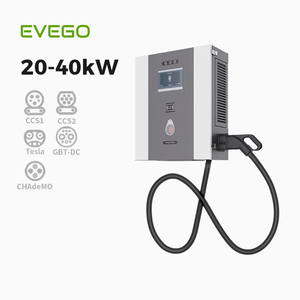
The CCS2 standard (IEC 62196-3) integrates single-phase AC, three-phase AC, and high-speed DC charging into a single ergonomic connector interface. Unlike proprietary connector formats, CCS2 incorporates standard PLC (Power Line Communication) protocols based on ISO 15118 and DIN 70121 specifications, establishing digital handshake negotiation between the Electric Vehicle Supply Equipment (EVSE) and the vehicle’s Onboard Controller or Battery Management System (BMS).
| Performance Metrics | Legacy Low-Voltage DC Systems | Next-Gen High-Voltage CCS2 Infrastructure |
|---|---|---|
| Voltage Operating Range | 48V - 96V DC | 200V - 1000V DC (Broad Bandwidth) |
| Current Density & Heat Losses | High Current ($I^2R$ Losses), Heavy Cable Thermal Rise | Low Current Density, Reduced Resistance Thermal Dissipation |
| Peak Charging Power | 3.3kW - 15kW DC | 20kW to 480kW Ultra-Fast Dynamic Stacks |
| Communication Protocol | Basic Analog / Simple CAN Bus | ISO 15118 High-Level PLC (Plug & Charge Compatible) |
| Target Vehicle Ecosystem | Low-speed Scooters & Micro-mobility | EV Cars, Heavy Transit Buses, E-Trucks & HV Electric Motorcycles |
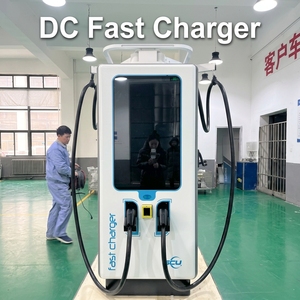
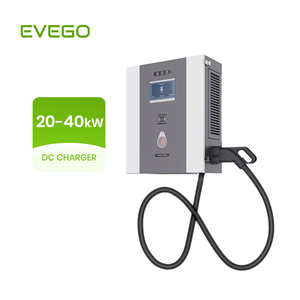
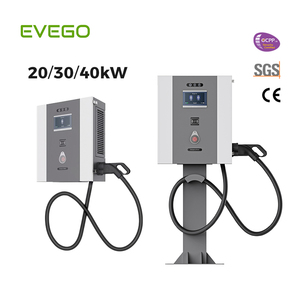
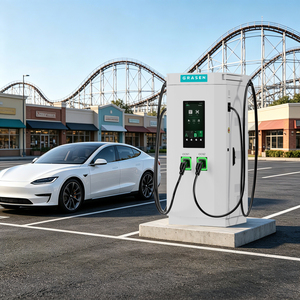
At the core of our floor-mounted and wall-mounted DC fast charging stations (ranging from 20kW compact units up to 480kW supercharging hubs) lies advanced Silicon Carbide (SiC) MOSFET switching technology. Traditional Silicon (Si) IGBT power modules suffer from pronounced switching losses at higher frequencies. SiC modules allow switching frequencies exceeding 100 kHz while maintaining ultra-low switching resistance.
This semiconductor breakthrough translates to three direct operational advantages for enterprise procurement partners:
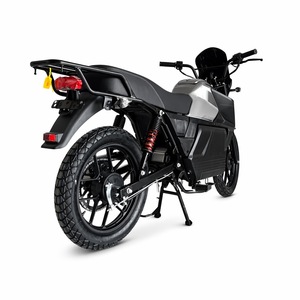
A notable evolution in semantic search queries and procurement buyer intent is the convergence of electric two-wheelers with car-grade charging infrastructure. Historically, electric motorcycles relied on low-voltage, slow AC wall plugs taking 4 to 8 hours. Pioneering designs—such as high-voltage streetfighters and heavy-duty delivery bikes featured in our catalog—utilize car-grade HV traction batteries (5.4kWh to 15kWh packs) operating at over 300V nominal.
By building CCS2 charging inlet compatibility directly into these vehicles, riders utilize the exact same 29,000+ public car-charging stations available nationwide or across European CCS2 networks. A 20% to 80% charge is completed in approximately 36 minutes, completely eliminating range anxiety and maximizing uptime for commercial logistics networks.
Key strategic insights for importers, CPOs (Charge Point Operators), fleet managers, and OEM partners evaluating the 2025–2030 market roadmap.
Public charging stations are migrating from isolated 50kW units toward multi-port 360kW–480kW split-cabinet power matrices. Dynamic power routing allocates energy based on real-time BMS requests, allowing highway transit hubs to serve multiple passenger cars and heavy commercial trucks simultaneously without grid over-utilization.
Grid infrastructure constraints are driving demand for BESS (Battery Energy Storage System) integrated charging chargers. Our SCU floor-mounted chargers feature direct solar DC bus tying, reducing AC-to-DC conversion stages, mitigating peak grid demand charges, and enabling off-grid rapid charging stations.
The operational friction of RFID card tapping or manual app authorization is being replaced by automatic cryptographic vehicle identification. Upon plugging the CCS2 connector, the EV hardware authenticates billing contracts directly with the cloud back-end, streamlining user experience.
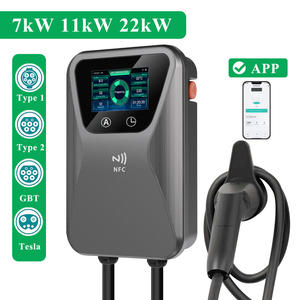
Modern fleet operators demand centralized remote management. Supporting Open Charge Point Protocol (OCPP) 1.6J and 2.0.1 over 4G/Ethernet allows site managers to enforce Dynamic Load Management (DLM), cap dynamic power consumption during peak tariff hours, and automate maintenance diagnostics.
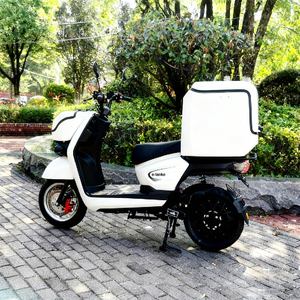
Logistics operations in Europe, South America, and Africa are aggressively standardizing delivery fleets around high-capacity electric motorbikes (e.g., E51 Cargo and EEC Homologated models). Sourcing heavy-duty dual-gun CCS2 chargers ensures high turnaround speed for delivery riders operating 24/7 schedules.
B2B buyers are moving away from off-the-shelf standardized units toward fully customized OEM solutions. Factory-level customization includes bespoke UI software branding, custom output voltage tuning (up to 1000V DC), custom gun lengths, dual-protocol retrofits, and local currency billing integration.
Why leading global energy companies, fleet operators, and distributors choose our China manufacturing hub as their primary OEM partner.
Our state-of-the-art manufacturing facility operates under strict ISO9001, ISO14001, and IATF 16949 automotive quality management standards. Every CCS2 charger and high-voltage vehicle undergoes 100% full-load aging tests, high-voltage insulation tests, harmonic distortion analysis, and IP65/IK10 environmental chamber testing prior to export shipping.
We provide end-to-end white-label hardware engineering and software integration. From industrial exterior structural styling to customized internal power board firmware, our R&D team supports seamless backend connection to major global CPO platforms (e.g., ChargePoint, EVConnect, GreenFlux, and proprietary fleet cloud portals).
Answers to common inquiries regarding CCS2 fast charging standards, bulk order manufacturing, custom options, and global shipping.

