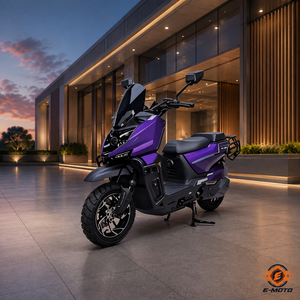
The global electrification landscape is undergoing a paradigm shift. As electric vehicle (EV) fleets expand from urban micro-mobility to high-speed commercial sportbikes and off-road utility buggies, traditional low-voltage architecture (48V–72V) faces severe thermal bottlenecks and efficiency thresholds. As a leading CE Certified High Performance Powertrain Manufacturer & Supplier, our engineering philosophy bridges the gap between automotive-grade high-voltage (HV) innovation and versatile industrial applications.
By transitioning from high-current, low-voltage systems to car-grade high-voltage architecture, our powertrain platforms drastically reduce total current draw for equivalent power outputs (such as 22 kW peak drives delivering 70 Nm of instantaneous torque). Lower operational current translates directly to reduced thermal resistive losses ($I^2R$), mitigating thermal stress across power electronics, cabling, and battery cells. This foundational advantage guarantees consistent high-speed output—reaching 135 km/h top speeds with zero thermal derating—while enabling direct compatibility with standard public CCS2 DC fast-charging networks.
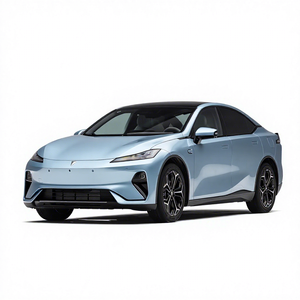
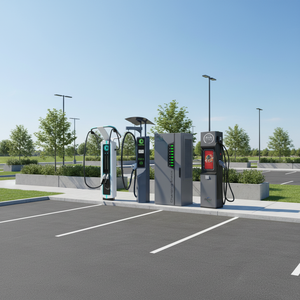
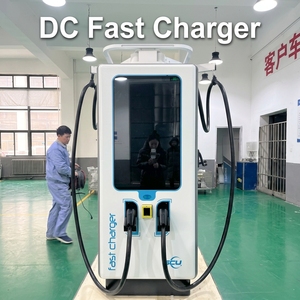
Historically reserved for passenger electric cars, high-voltage platforms are rapidly standardizing across premium electric motorcycles, three-wheel delivery fleets, and specialized utility buggies. The primary catalyst is charging speed and thermal consistency. Low-voltage vehicles rely on proprietary slow chargers, constraining fleet uptime. HV integration allows light EV platforms to tap into the global public EV charging ecosystem, achieving 20% to 80% state-of-charge (SoC) refills in under 36 minutes via standard CCS2 plugs.
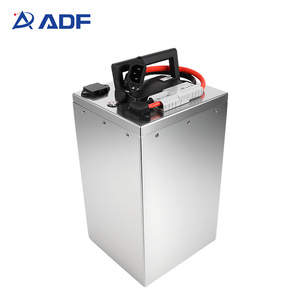
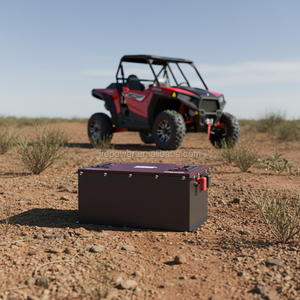
Energy density and safety remain paramount in commercial procurement decisions. While classic Lithium Iron Phosphate (LiFePO4) swappable packs remain the gold standard for high-cycle urban delivery fleets due to their 3,000+ cycle life, semi-solid state lithium-ion technologies are redefining heavy-duty off-road and high-capacity battery packs (such as 51.2V 171Ah systems). Semi-solid electrolytes dramatically lower thermal runaway risks while boosting volumetric energy density, yielding longer ranges (200 km IDC ratings) without compromising vehicle chassis dynamics.
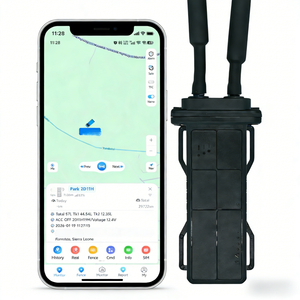
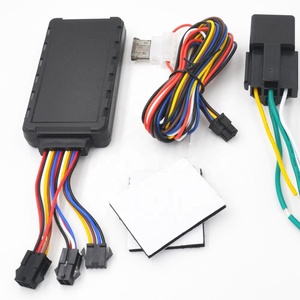
Modern powertrain procurement is no longer limited to mechanical gears and electric motors. Tier-1 buyers require integrated ECU/MCU telematics featuring 4G LTE CAT1/CATM connectivity, CAN-bus protocol telemetry, and real-time remote diagnostics. Intelligent powertrains continuously transmit battery state-of-health (SoH), inverter temperature profiles, and geofencing telemetry directly to fleet operators, enabling predictive maintenance algorithms and Over-The-Air (OTA) firmware optimizations.
Assembly efficiency is a primary driver for OEM manufacturers. Modern high-performance powertrains integrate the drive motor, high-frequency silicon carbide (SiC) inverter, and reduction gearbox into a unified compact housing. This modular approach minimizes external high-voltage wiring, reduces total system mass by up to 18%, and significantly lowers assembly labor costs on OEM production lines.
Engineered and manufactured in state-of-the-art facilities compliant with IATF 16949 and ISO 9001 standards, our production matrix adheres to stringent quality gates to deliver absolute reliability:
Advanced liquid-cooling and phase-change thermal management materials maintain power electronics at optimal operating temperatures, preventing thermal throttling even during repeated 0–60 km/h acceleration cycles under 3.5 seconds.
Native CCS2 controller integration enables dual-mode charging: ultra-fast public DC station charging (20–80% in ~36 mins) and effortless 1-hour home charging via intelligent onboard AC converters requiring no special wall-box installation.
Built-in structural resilience allows us to back battery systems with an industry-leading 8-year or 80,000 km warranty. Combined with fewer mechanical moving parts, operational total cost of ownership (TCO) drops by up to 65% compared to internal combustion powertrains.
Empower your electric vehicle project with CE-certified, high-voltage powertrain engineering. Request complete technical datasheets, CAD models, and customized B2B quotation catalogs today.

